Advertisement
How communities can help curb child marriage, teen pregnancies
Wednesday 02nd July, 2025 07:00 AM|
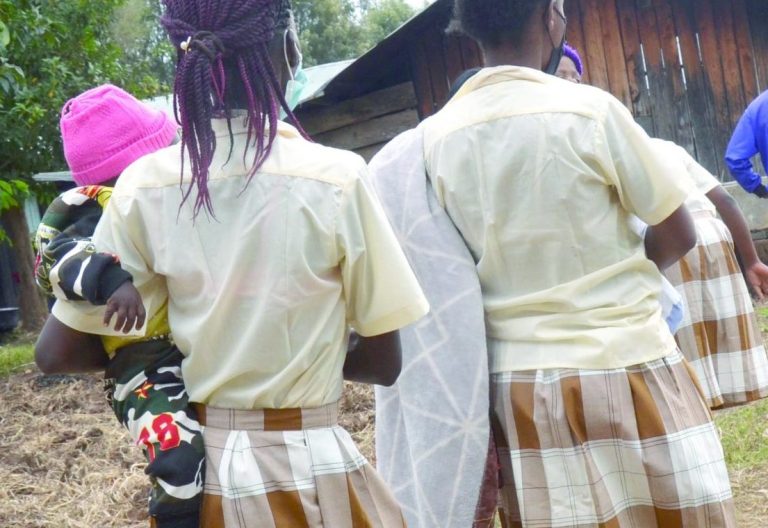
Child marriage and teenage pregnancy continue to rob thousands of girls across Kenya of their potential, particularly in counties such as Samburu, Kisii, Kajiado, Narok, Isiolo, Turkana, and Kilifi, where the rates remain alarmingly high.
These practices are not only violations of human rights but also forms of gender-based violence (GBV) that have long-term consequences on the lives of adolescent girls.
Despite progressive policies and ongoing advocacy, many girls are still forced into early unions or become mothers while barely out of childhood.
In most cases, poverty, cultural beliefs, lack of education, and weak enforcement of child protection laws contribute to the persistence of these practices.
You Might Also Like



For some families, marrying off a daughter is seen to reduce financial burden, gain dowry, or avoid the perceived shame of pregnancy outside wedlock.
Unfortunately, these decisions often result in life-altering consequences for the girls involved. Teenage pregnancy and child marriage deny girls the right to education and economic empowerment.
Once a girl is married or becomes pregnant, her chances of returning to school decrease significantly. Many are subjected to domestic violence, poor health outcomes, and a lifetime of poverty and dependence.
The ripple effects are felt not just by the girls and their families but also by entire communities and future generations.
Education remains the most powerful tool in reversing this trend. When girls are supported to stay in school, they are more likely to delay marriage and childbirth, make informed choices, and contribute meaningfully to society.
The government’s Back to School Policy is an important step towards ensuring that adolescent mothers and survivors of child marriage have a second chance at education.
However, implementation remains a major hurdle, especially in rural areas where stigma, lack of support structures, and community resistance often stand in the way.
To change this reality, communities must be actively engaged in identifying and challenging the norms that perpetuate early marriage and pregnancy.
Parents, teachers, religious and cultural leaders, and local authorities all have a role to play. Encouragingly, non-State organisations are working at the grassroots level to raise awareness and promote accountability.
In recent engagements with duty bearers, conversations have centred on the urgent need to support girls affected by child marriage and teenage pregnancy to return to school and complete their education.
This is the kind of community-driven action that must be scaled up if we are to break the cycle of poverty, gender inequality, and GBV.
We cannot afford to let culture, silence, or poverty continue to dictate the future of our girls. Every girl deserves the right to learn, dream, and build a life of her choosing.
Ending child marriage and teenage pregnancies is not just about protecting the rights of girls. It is about shaping a stronger, more just, and equitable society for all. The time to act is now.
The writer is a GBV prevention Advocate and a Communications Coordinator at the International Solidarity Foundation
Author
Damaris Celestine
View all posts by Damaris CelestineLatest News








Advertisement
More on Insights