Advertisement
MP Kaguchia faults Oscar Sudi’s rare attendance in parliament
Monday 22nd June, 2026 10:37 AM|
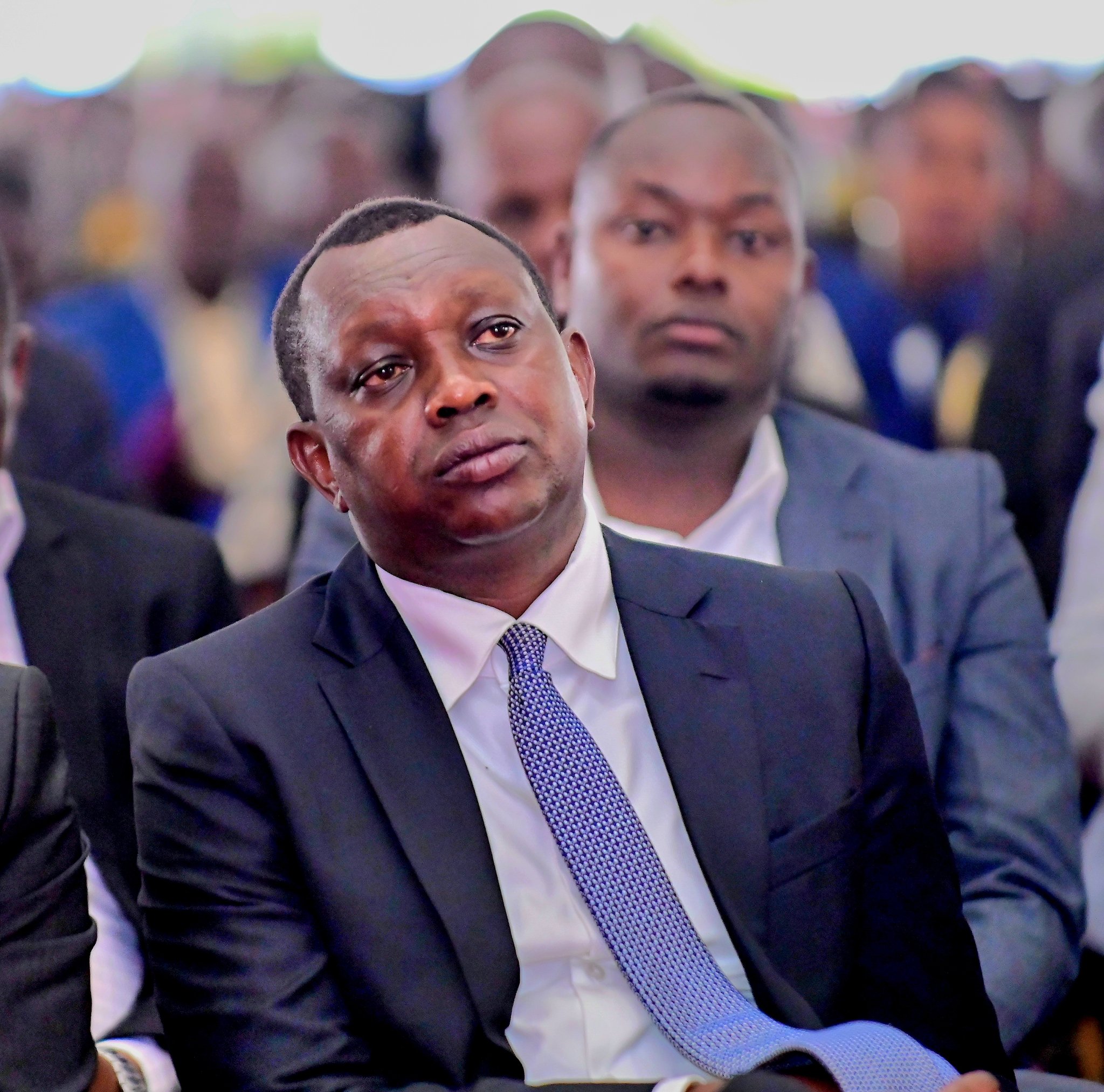
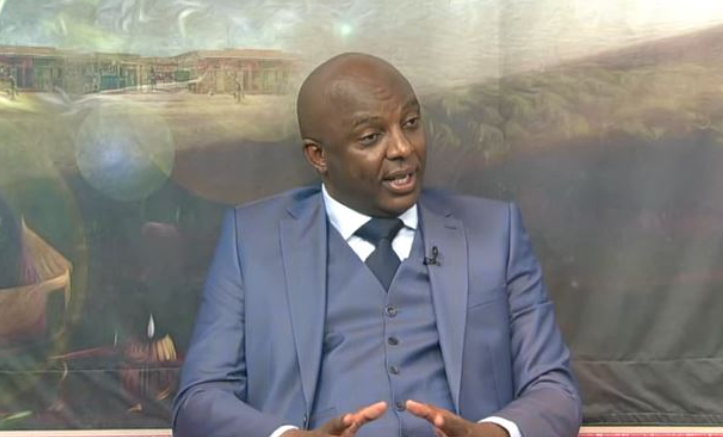
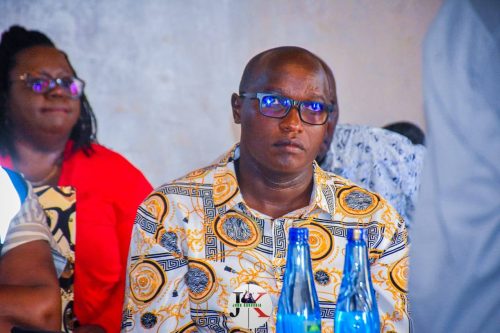
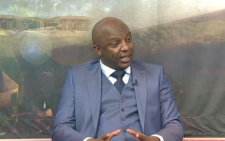
Mukurwe-ini Member of Parliament John Kaguchia has criticised poor attendance in the National Assembly, singling out Kapseret MP Oscar Sudi for what he described as rare participation in parliamentary sittings.
Speaking during a morning interview on Monday, June 22, 2026, Kaguchia said some legislators fail to consistently show up in Parliament except during politically sensitive moments such as major votes.
He argued that elected leaders have a duty to attend House proceedings, take part in debates, and vote on legislation that affects citizens.
“When you are elected, you are supposed to be in the House representing the people,” Kaguchia said. “Unless there is a very important reason, you must represent your people. The way to do that is to be on the floor during debate and make your argument, whether for or against it, and to be there to vote.”
You Might Also Like
Kaguchia made the remarks while reflecting on the passage of the Finance Bill 2026, which went through the National Assembly after its third reading. The Bill was passed with 122 MPs voting in support and 40 voting against. Only 162 out of 349 MPs took part in the decisive vote, with the rest absent or abstaining.
The Finance Bill is expected to support Kenya’s Ksh4.8 trillion national budget for the 2026/27 financial year. It introduces tax and revenue measures aimed at funding government spending.
Kaguchia said the low turnout raised concerns about accountability and representation in Parliament, especially on a bill of such national importance.
Rare attendance by some MPs
During the interview, Kaguchia said some MPs only appear in Parliament during major political events.
“I know there are some members who only showed up for the Finance Bill, showed up again for the Gachagua impeachment, and have not shown up again,” he said.
He also criticised Oscar Sudi directly, questioning his presence in the House.
“Someone like Sudi, you will never ever see him in the House. Never,” Kaguchia said. “I have only seen him in the House when he was being sworn in, when he was voting for the Finance Bill, and when he was impeaching Gachagua. There is no other day you will ever see him.”
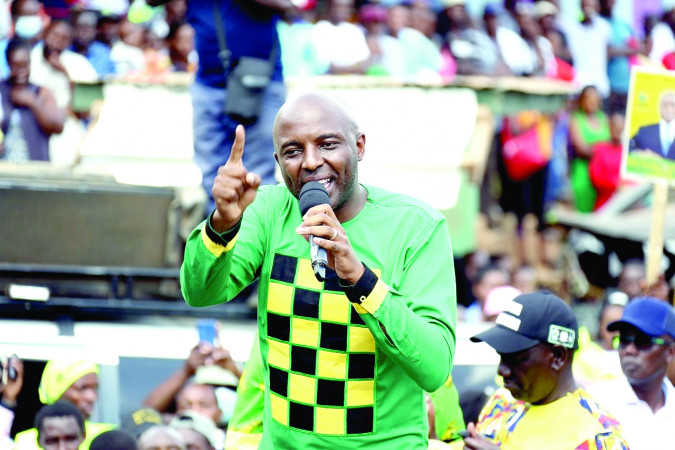
While the Kapseret MP is rarely present in Parliament, he remains highly active and influential in politics outside the House. Sudi has been at the centre of public political engagements across the country, often leading delegations, addressing rallies, and weighing in on internal party matters.
In Nakuru County, he has recently faced accusations from a section of UDA MPs who claim he is involved in political mobilisation efforts that favour Governor Susan Kihika’s re-election bid, with some alleging intimidation and external interference in local politics.
The MPs, including Kuresoi North MP Alfred Mutai and Nakuru Woman Representative Liza Chelule, said Sudi has been organising empowerment events and political meetings that they argue are used to pressure local leaders and influence county politics.
Kaguchia said he remains present in Parliament for most sittings, claiming he attends more than 80 per cent of House proceedings and contributes to debates on the floor.
He also said some MPs avoid attending sittings due to fear of political backlash or pressure from party leadership. Others, he added, prioritise personal business interests over legislative duties.
Finance Bill debate concerns
Kaguchia said he was surprised that the Finance Bill vote attracted less than half of all MPs, despite its importance to government revenue plans.
He said he expected higher attendance from government-aligned MPs, especially those supporting President William Ruto’s administration.
He compared the situation to the impeachment of former Deputy President Rigathi Gachagua, where turnout was higher among political allies.
On the opposition side, Kaguchia said most MPs who opposed the Finance Bill attended the sittings in large numbers.
“I think like 95 per cent of people who do not support some of the policies by William Ruto’s government were actually in the House,” he said.
He noted that only a few MPs missed the vote for valid reasons. He pointed to cases where one MP was handling a police matter, while another was attending a meeting in Botswana.
He cited Kiharu MP Ndindi Nyoro as one of the lawmakers who missed the vote due to international engagements, including travel to Botswana.
“Some people sometimes are out of the country. Others are probably like, I know one member of parliament who was handling a police case. There’s one Wanjiku Muhia who was being sought by the police for some utterances she had made earlier. So we had that, and I know Honourable Ndindi Nyoro had also excused himself that he was having a meeting or attending somewhere, I think in Botswana,” Kaguchia said.
Nyoro later confirmed his absence, saying he travelled out of the country for official engagements that could not be postponed.
“The vote for the Finance Bill happened yesterday; disappointingly, I was not in Parliament. I travelled out of the country on Wednesday evening for engagements that could not have been postponed,” Nyoro said in a statement on social media.
Mount Kenya MPs and attendance gaps
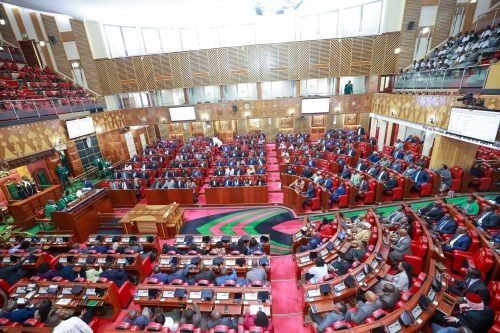
Kaguchia also raised concerns over the absence and inconsistent attendance of several MPs from the Mount Kenya region during key stages of the Finance Bill debate.
He said that when the Bill was first tabled, only a small number of government-aligned MPs from the region were present in the House. He named Majority Leader Kimani Ichung’wah, Kimani Kuria, and MP Murugara as among the few who showed up at the early stages of the debate.
According to him, attendance declined further the following day, with Ichung’wah emerging as the only consistently present government-aligned MP from the region during critical moments.
He further claimed that some MPs were initially seen outside the chamber at crucial times, only returning shortly before voting began.
“At around 12:48 pm., when a vote was about to be taken, I saw members trooping in,” Kaguchia said. “They were in the cafeteria taking tea, and they were whipped by the whip Osoro to come into the House.”
He said the MPs entered the chamber in a rush, creating noise and confusion before proceeding to vote.
Kaguchia argued that such last-minute participation undermines parliamentary practice, as it reduces the quality of debate and denies members the opportunity to contribute meaningfully before decisions are made.
Debate cut short
The MP also claimed that debate on the Finance Bill was brought to a close before several lawmakers had the chance to present their views.
He said he had attended sittings from Tuesday afternoon and waited throughout for an opportunity to contribute, but was not called.
“I was there from Tuesday at 2:30 p.m. up to 7:00 p.m. waiting to make my contribution,” he said. “The following day I was next on the list, but just as I was about to speak, the Speaker ruled that debate would end and members were called to vote.”
Kaguchia said the sudden closure of debate denied some MPs a fair chance to air their positions, particularly those opposed to the Bill.
He added that although he later contributed during the Committee of the Whole House stage, the second reading remains the most important stage for substantive debate on policy issues.
“At second reading, we had sufficient time to ventilate issues,” he said. “I felt offended that I was denied a chance to make a 10-minute presentation on matters I had prepared.”
Former Agriculture Cabinet Secretary Mithika Linturi has also weighed in on the political implications of recent parliamentary voting patterns, linking them to broader support trends for the government.
He suggested that declining participation and dissenting votes on the Finance Bill reflect shifting political sentiment ahead of future elections.
“The Finance Bill was in Parliament the other day. Out of 349 MPs, those who voted to support the Finance Bill are 122 MPs,” Linturi said.
“Ask yourself: if you are convinced that Ruto is the best, why are you worried about being associated with him? Why are you afraid of being labelled, whether you support or oppose the Finance Bill? Many MPs are not brave enough, and this will become clear after Parliament is dissolved – they will abandon Ruto.”
Author
Kenneth Mwenda
Kenneth Mwenda is a business, sports, and politics digital writer with over seven years of experience in journalism, covering breaking news, feature stories, and in-depth analysis across a range of beats.
For inquiries, he can be reached at [email protected]
View all posts by Kenneth MwendaLatest News


Advertisement
More on Inside Politics