Advertisement
Gikomba Market demolition: Why govt is reaping bitter sow
Wednesday 01st April, 2026 12:28 PM|

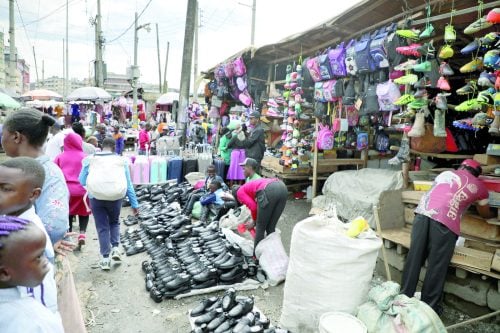
When I saw traders lamenting, sifting through twisted iron sheets, torn sacks, and crushed merchandise, it was hard not to feel the weight of their loss.
These were not just structures reduced to rubble; they were years of hustle, sacrifice, and survival erased overnight.
For many of these traders, Gikomba is not just a marketplace; it is their only source of livelihood.
This is not the first time they have experienced disruption. Fires, evictions, and periodic demolitions have become an almost predictable cycle in Gikomba. Yet, each time, the traders are forced to start over, often with little to no support, their resilience stretched to its limits.
You Might Also Like


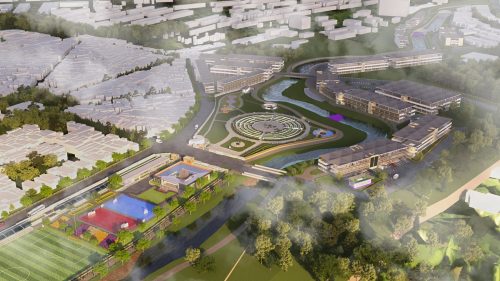
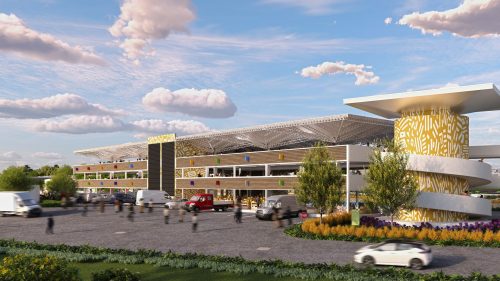
The latest demolition, which targeted the shoe section, has left thousands counting losses running into millions of shillings. The government maintains that the exercise is part of reclaiming riparian land and paving the way for a riverine complex.
On paper, this is a legitimate and even necessary goal. Urban planning, environmental conservation, and modernisation are all critical for a growing city like Nairobi.
But development should not come at the cost of dignity.
I am not against development. Neither am I opposed to relocation. Cities must evolve, and informal markets must eventually give way to more structured systems. However, the manner in which this demolition was carried out raises serious questions about planning, empathy, and accountability.
Why was it done in the middle of the night?
Demolishing people’s property under the cover of darkness sends a troubling message. It suggests an awareness that the process might not withstand public scrutiny. It denies traders the chance to salvage their goods, to prepare, or even to protest. It turns what could have been an orderly transition into a traumatic ambush.
The government has said alternative trading spaces have been provided and that Ksh3 billion has been allocated for construction, with assurances that traders will be compensated. These promises, while welcome, are not new. What remains unclear, and deeply concerning, is the timeline.
How long will it take before traders are compensated?
For someone whose daily income depends on selling a few pairs of shoes, even a week without business can be devastating. Months of waiting for compensation could push many into debt, poverty, or complete economic ruin. Promises alone do not put food on the table.
There are also lingering questions about the compensation itself. How much will each trader receive? Will it reflect the true value of their losses? And who ensures that the process is fair and transparent?
More fundamentally, did demolition have to be the first option?
Engagement with traders, phased relocation, clear timelines, and proper notice could have achieved the same objective without inflicting such heavy losses. A humane approach would not only have protected livelihoods but also saved the government the massive cost of compensation.
At a time when the country is grappling with debt concerns and rising expenditure, such avoidable costs are difficult to justify.
Gikomba has always been a place of hope, a place where small-scale traders build something out of almost nothing, where a single bale of second-hand goods can sustain an entire family. To disrupt this ecosystem so abruptly is to destabilise thousands of lives.
If the government is now facing backlash, it is not because people oppose development. It is because they oppose disregard.
True progress is not measured by the buildings we construct, but by how we treat the people affected in the process. In Gikomba, the government may have had the right intention, but it chose the wrong method. And in doing so, it is now reaping the bitter fruits of its own actions.
Author
Latest News






Advertisement
More on Insights