Explainer: What Ruto’s 12% wage increase means for Kenyan workers and employers
By Aloys Michael, July 11, 2026President William Ruto’s promised 12 per cent general wage increase has triggered a dispute over whether millions of Kenyan workers will receive higher salaries or only minimum wage earners will benefit from recent pay adjustments.
The Central Organisation of Trade Unions (COTU-K) is demanding the immediate gazettement and implementation of the wage directive, arguing that a general wage increase is different from a minimum wage review.
The outcome will determine how employees’ payslips are affected and whether employers must adjust salary budgets across their workforce, as the dispute has created uncertainty among workers who want to know whether the promised salary increase will reflect in their payslips and employers who are waiting for clarity on their obligations.
What is the difference between a general wage increase and a minimum wage adjustment? A general wage increase applies across different salary levels, meaning workers beyond the minimum wage category could receive higher pay.
A minimum wage increase, however, mainly affects employees earning the legally set lowest salary levels in specific sectors and job categories.
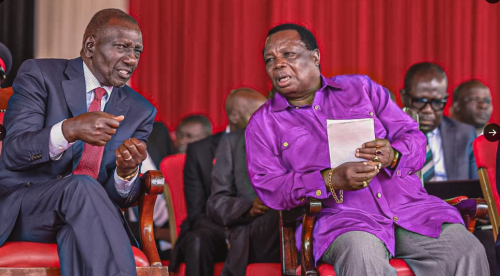
COTU Secretary General Francis Atwoli says the two measures should not be confused because a minimum wage review does not deliver the wider salary relief workers expected from the President’s announcement.
How the 12% wage increase could affect employees
If implemented as a general wage increase, the directive could raise salaries for workers across the employment sector, including those already earning above the minimum wage.
For employees, the increase could provide additional income to help manage rising costs of food, transport, housing and other household expenses.
COTU argues that the wage adjustment is necessary because inflation and the rising cost of living have reduced workers’ purchasing power.
Why employers are concerned about higher salaries
For employers, a general wage increase would mean reviewing payroll budgets and adjusting salaries across different categories of workers.
Businesses could face higher labour costs, which may affect hiring decisions, expansion plans and overall operating expenses.
Some employer groups have supported minimum wage adjustments instead, arguing that broader salary increases could create additional financial pressure for companies.
COTU is calling on the Ministry of Labour to issue a gazette notice that formally implements the 12 per cent general wage increase announced by President Ruto during Labour Day celebrations.
Until the government provides clear direction, employees and employers remain uncertain about whether the promised salary adjustment will become a legal requirement.
The outcome of the dispute will determine whether the wage increase reaches workers across Kenya or remains limited to employees covered by minimum wage changes.