Advertisement
Explainer: How Kenya’s Ksh2.3T budget sinks into debt servicing in 2026/27 and its impact on taxpayers
Friday 08th May, 2026 08:05 AM|

The budget plans for Kenya in 2026/27 indicate a growing budget deficit, with almost half of government spending expected to be on debt servicing.
The estimated interest payments and debt redemption will amount to Ksh2.3 trillion, a figure that is not significantly different from the 2025/26 financial year, according to the National Treasury’s estimates.
The figures have been compiled from the Kenya National Treasury Budget Policy Statement and Estimates FY 2026/27, which indicated that the overall budget size amounted to Ksh4.8 trillion. Much of this expenditure is included in Consolidated Fund Services (CFS), such as debt servicing, pensions, and statutory requirements.
The data from the Treasury indicates that debt repayment and interest charges make up the bulk of expenditure at Ksh1.2 trillion, followed by CFS at Ksh1.5 trillion.
You Might Also Like
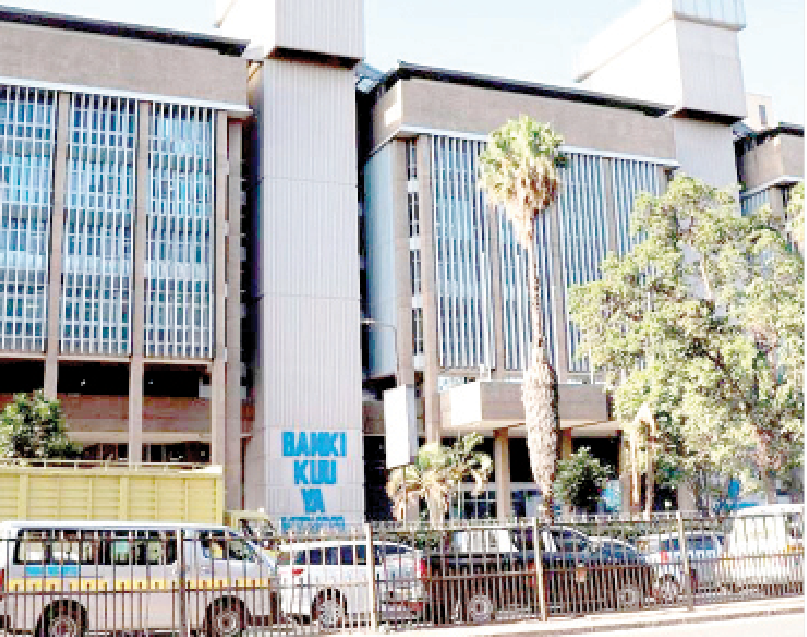
The official policy documents from the Ministry of National Treasury and Economic Planning validate that debt servicing still plays a significant role in public expenditure planning and limits the policy space for the fiscal policy.
The real worry is the continued dependence on financing investment and recurrent expenditure through borrowing in Kenya. Public debt has increased significantly over the years, and a significant proportion of new debt is being serviced rather than invested.
Most significantly, Kenya is seen to have approached, or even exceeded, its borrowing limit in terms of revenue capacity and debt sustainability.
The fiscal space for new borrowing has been reduced significantly as a large share of national revenue goes towards debt servicing. The government’s approach in practice is to borrow to pay off old debts, which is problematic for the future.
Development spending under pressure
If almost half of the budget is committed to debt payments, the other 50 per cent has to be used to pay wages, run the business, and develop projects. This leaves little fiscal space for expanding infrastructure, health care, education and jobs.

From an economic perspective, it’s a typical “crowding out effect”; paying back debt has to be balanced against the need for funding development. The government’s investment capacity in growth-promoting sectors keeps getting cut due to the hike in borrowing rates.
Implications for the taxpayer
The lesson for taxpayers is obvious, but fraught with worry: more of the tax revenue is being dedicated to repaying old loans instead of to new public goods. This diminishes the apparent payoff to taxes and intensifies the burden on households already burdened with a high cost of living.
The 2026/27 budget reflects a very constrained budgetary environment in the country. At this level of borrowing, coupled with escalating debt, interest payments are a sign of a system under stress.
The lack of fiscal discipline, better revenue mobilisation, and moves towards more productive borrowing could be the recipe for Kenya to end up in a situation where it is spending more on debt servicing than on development.
Author
Latest News



Advertisement
More on Insights