Advertisement
How CBK retaining lending rate will affect Kenyan households
Wednesday 10th June, 2026 07:09 AM|
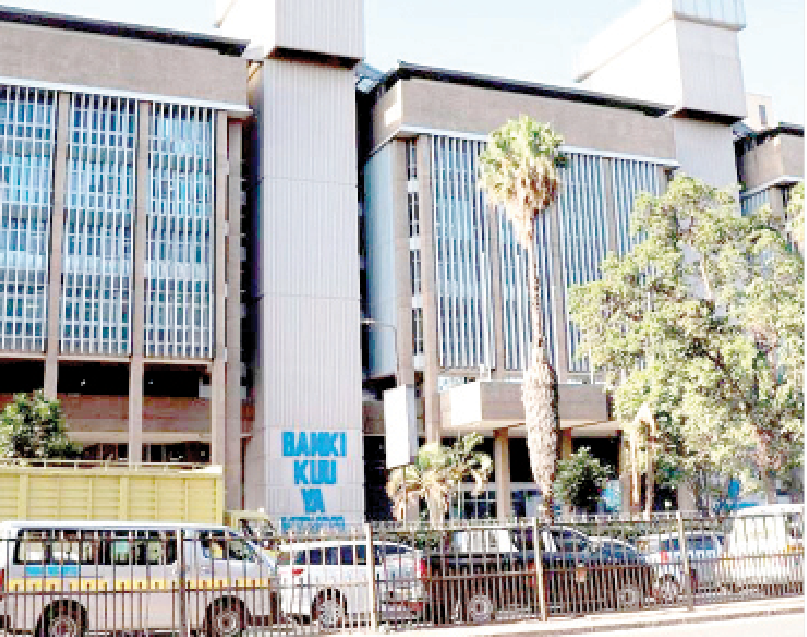
Kenyan households are set to get some relief on loans after the Central Bank of Kenya (CBK) retained its benchmark lending rate at 8.75 per cent, a move expected to keep borrowing costs stable despite rising inflationary pressures.
The decision means commercial banks are unlikely to significantly increase interest rates on existing and new loans in the short term, easing pressure on households already struggling with higher fuel, transport and food costs.
In a statement issued after its June 9, 2026, meeting, the Monetary Policy Committee (MPC) said the current monetary policy stance remains appropriate despite growing risks to both the domestic and global economy.
“The Monetary Policy Committee (MPC) decided to maintain the Central Bank Rate (CBR) at 8.75 per cent during its meeting held on June 9, 2026,” CBK stated.
You Might Also Like


For Kenyans servicing mortgages, personal loans, asset financing facilities and business credit, the decision provides certainty that borrowing costs will remain relatively unchanged.
Had the CBK increased the rate, banks would likely have passed on the additional cost to customers through more expensive loans.

The decision also supports continued access to credit for households and small businesses at a time when many families are facing financial strain from the rising cost of living.
However, while borrowers may benefit from stable lending rates, households are still grappling with inflation that has continued to erode purchasing power.
CBK cited growing global inflationary pressures linked to the ongoing conflict in the Middle East as one of the reasons for maintaining the current rate.
“The conflict in the Middle East has disrupted global supply chains and led to a sharp increase in energy prices and transportation costs, resulting in higher inflation and moderated global growth prospects,” CBK said.

The impact is already being felt in household budgets. Kenya’s inflation rate rose to 6.7 per cent in May 2026 from 5.6 per cent in April, driven largely by higher fuel and cooking gas prices.
Non-core inflation, which tracks food and energy prices, surged to 16.0 per cent in May from 13.4 per cent in April, reflecting the increasing cost of essential household items.
For many families, this has translated into more expensive transport, cooking fuel and food. Basic commodities such as tomatoes and cabbages have remained costly, stretching household budgets further as consumers contend with elevated fuel prices.
Relief from inflationary trends
Despite these challenges, CBK noted that government interventions have helped cushion consumers from even steeper price increases. Measures including fuel subsidies and a temporary reduction of VAT on fuel from 16 per cent to 8 per cent have helped moderate inflationary pressures.
The decision to keep rates unchanged also comes as lending to the private sector continues to recover. According to CBK, private sector credit growth rose to 9.3 per cent in May 2026 from negative 2.9 per cent in January 2025.
For households, stronger lending activity means banks are becoming more willing to extend credit, potentially improving access to financing for home improvements, education, small businesses and other personal investments.
Borrowers are already benefiting from lower average lending rates, which declined to 14.5 per cent in May 2026 from 17.2 per cent in November 2024. This has provided some breathing room for families and entrepreneurs who rely on bank credit to manage expenses and grow their incomes.

Even so, the decision shows the delicate balancing act facing policymakers. While keeping rates unchanged supports borrowers and economic activity, inflation remains a major concern for households whose incomes are being squeezed by rising prices.
CBK has revised its economic growth forecast for 2026 to 4.9 per cent from an earlier estimate of 5.3 per cent, citing uncertainty in the global economy and its impact on key sectors such as agriculture and services.
The rate decision also comes amid calls from the Kenya Bankers Association (KBA) for tighter monetary policy to curb inflation.
According to the bankers, the 6.7 per cent inflation rate recorded in May has increased pressure on household budgets and heightened the risk of further price increases across the economy.
KBA argues that raising the Central Bank Rate would help anchor inflation expectations and maintain price stability over the medium term.
The association warns that persistent inflation could slow economic activity, weaken consumer purchasing power and create uncertainty in credit markets.
For now, however, CBK has opted to protect households and businesses from higher borrowing costs, giving loan holders temporary relief even as the cost of everyday essentials continues to rise.
Author
Latest News







Advertisement
More on Business