Advertisement
Mbadi: Proposed budget reflects Kenyans’ views gathered through public participation
Thursday 11th June, 2026 11:01 AM|

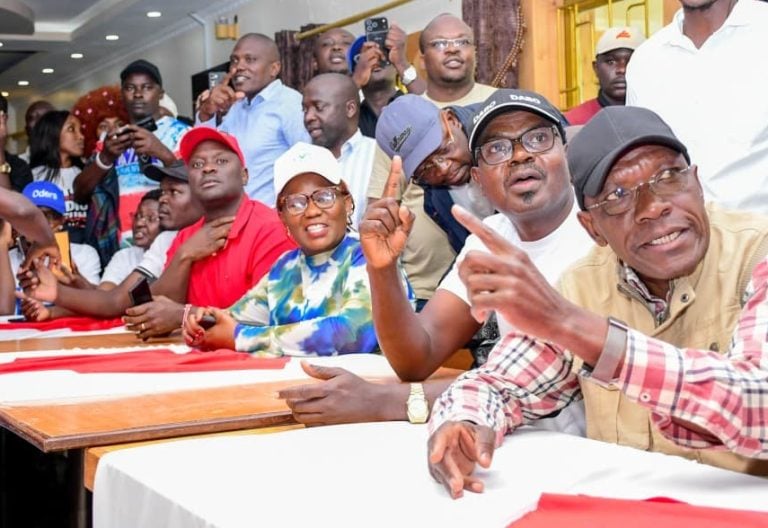
The government has defended the proposed national budget, saying it reflects priorities raised by Kenyans through nationwide public participation exercises conducted during its formulation.
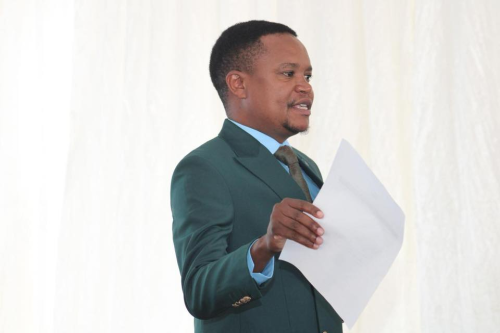
In a pre-interview on Thursday, June 11, 2026, ahead of the budget presentation in the National Assembly, National Treasury Cabinet Secretary John Mbadi said the budget was developed through structured consultations involving citizens, county governments, private sector players, civil society organisations, and other stakeholders to ensure that national spending priorities are aligned with public needs.
“The proposed budget reflects what Kenyans told us during public participation. We have taken those views seriously and integrated them into the final framework,” Mbadi said.
Mbadi noted that the budgeting process is anchored in constitutional requirements that mandate public participation in key policy and fiscal decisions.
You Might Also Like
He said the views collected during sector hearings and regional forums were carefully reviewed and incorporated into the final spending proposals submitted to Parliament.
“What is different is that we have tried as much as possible to live by the spirit of the Constitution and the Public Finance Management Act. What we are doing is to make sure that what is spelt out in law is actually done,” the CS stated.

“As I assumed office in 2024, I promised that we were going to demystify the National Treasury and open it up. This straitjacket way of dealing with the National Treasury must end, and that is what I’ve tried to do.”
According to him, the feedback from Kenyans significantly influenced allocations across key sectors, including health, education, infrastructure development, agriculture, and social protection programmes.
Moreover, Mbadi has said that the government prioritised areas repeatedly identified by citizens as critical to improving livelihoods and economic resilience.
“There were a lot of memorandums submitted to the National Treasury. I even invited certain specific sectors to the National Treasury, including boda boda riders and the mitumba sector. We tried to take care of some of the suggestions and proposals that came from these sectors,” he said.
The Treasury has been preparing the budget under tight fiscal conditions, with competing demands for development spending, recurrent expenditure, and debt servicing obligations. Officials say the challenge has been to balance fiscal consolidation with the need to stimulate economic growth and improve service delivery at both national and county levels.
“There has been this talk and misleading information that we are defunding education. The narrative is completely misplaced, and it is propaganda. We are funding education more,” he said.
Mbadi said that despite these constraints, the government remained committed to ensuring that public funds are directed toward priority programmes that have the greatest impact on citizens. He emphasised that public participation is not a formality but a core part of decision-making that helps shape realistic and responsive fiscal plans.
He further noted that the Treasury continues to strengthen engagement mechanisms to ensure broader inclusion, particularly from marginalised communities and informal sector groups whose voices are often underrepresented in national discussions.
Author
Latest News



Advertisement
More on Inside Politics