Advertisement
Double standards or overpromising? The great PAYE quagmire in the Finance Bill 2026
Thursday 18th June, 2026 10:36 AM|
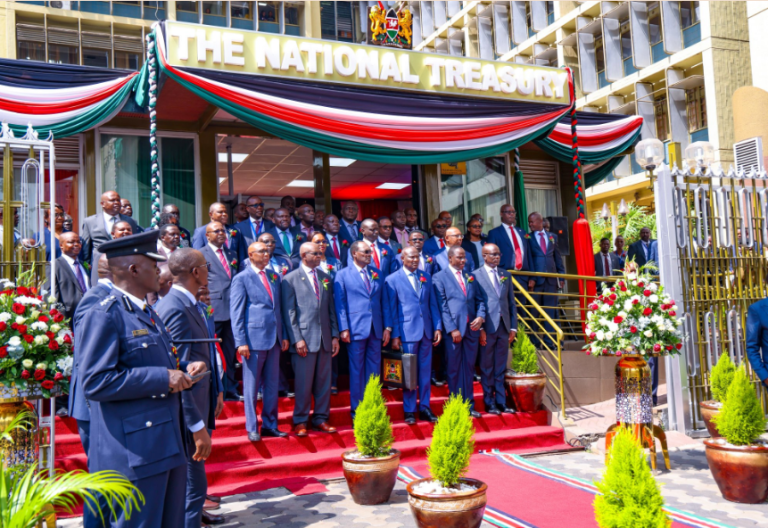
When the fiscal and the political come together, the impact is always a pretty bad headache for the taxpayer. The Finance Bill 2026 and the much-discussed Pay As You Earn (PAYE) tax brackets in Kenya have been the latest flashpoints in the debate.
The government’s message for months was one of comfort, but there was still a glimmer of hope for a very overburdened workforce. However, as the dust of the law-making process settles, Kenyans must ask themselves a sobering question: is this indeed an example of a well-meaning administration promising too much but delivering little, or a case of a double standard in politics?
The untouched Promise
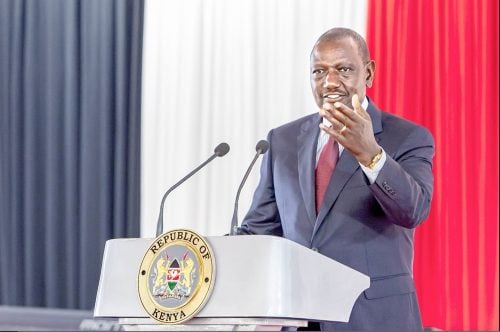
In early 2026, President William Ruto and the Treasury Cabinet Secretary, John Mbadi, sounded the populist trumpet. The government announced with pride a substantial tax cut that it explicitly stated was benefiting the nation’s lowest-paid formal employees. The offer was cut and dried: total elimination of PAYE for anyone making less than Ksh 30,000 per month.
In addition, it was said that the government plans to cut the tax rate for individuals whose income lies between Ksh 30,000 and Ksh 50,000 from 30% to 25%. This was a lifeline for more than 1.5 million Kenyans who are battling the rising cost of living.
You Might Also Like


However, the what-was-expected joy was lacking when CS Mbadi presented the 2026/2027 budget in the National Assembly. The Treasury said it had been estimating a revenue loss of between KSh 35 billion and KSh 40 billion on implementation of the exemption, which effectively put the brakes on the directive. For the man on the street, a promise on a pay cheque that is deferred, if not off the table, is a promise broken.
MPs protect 35% top tax bracket
Those with lower incomes see their expected relief slowly slip away through the bureaucracy of assessment, and those with more money and corporate interests are encountering another kind of stone wall.
A strong lobby by financial industry experts, including the Kenya Bankers Association, the Institute of Certified Public Accountants of Kenya (ICPAK) and professional advisory firms such as Deloitte East Africa, pushed for a complete revamp of the existing PAYE framework.
One of the main components of their plan has been to reduce the highest marginal tax rate from the aggressive 35% to 28% or 30%.
The groups have said that as a result of various statutory deductions, such as the Social Health Insurance Fund (SHIF), the Affordable Housing Levy, and increased NSSF contributions, among others, disposable income has come under a strain of up to 35 per cent, which has been a serious constraint on attracting and retaining talent.
Kenyan Members of Parliament (MPs), however, vehemently ignored these requests. It was the National Assembly Finance and National Planning Committee, led by Kuria Kimani (Molo MP), that maintained the high-level tax firewall.
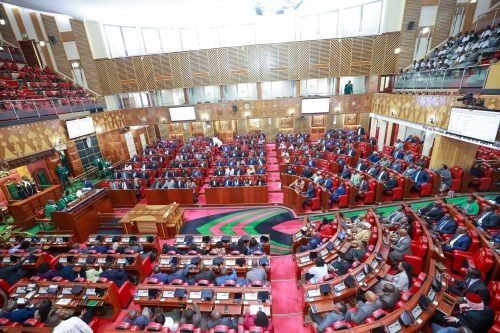
The state’s strategy has been to aggressively diversify taxes to expand its revenue base and not to reduce the overall tax burden. This has been done through alternative tax revenues such as taxes on imported second-hand clothes (mitumba), digital transactions, and rentals.
Double standards or overpromising?
The Ruto government had a poor budgetary position when it assumed office. The Treasury can’t afford to ignore a revenue stream of Ksh 40 billion when it’s trying to cope with big debt obligations to finance ambitious infrastructure projects.
The optics are bad, and there’s no doubt about that. A government’s policy of asking for patience from its lowest-paid workers, while failing to move on high taxes for the top earners, gives the feeling that there is a tremendous economic disparity.
For the ordinary Kenyan, the looming reductions on top of reductions and the promised relief still face the kind of “fiscal impact assessment” that never seems to get to him.
Payslip at war
The Kenyan payslip is still a turf war as the Finance Bill 2026 progresses towards enactment. The current tax standoff is a stark reminder to a government that got into office promising to advance the fortunes of ordinary workers that there is a National Treasury with a distinctly different set of priorities when it comes to cash.
Author
Latest News








Advertisement
More on Insights