Advertisement
5 common signs of sickle cell anaemia
Friday 03rd October, 2025 09:23 PM|
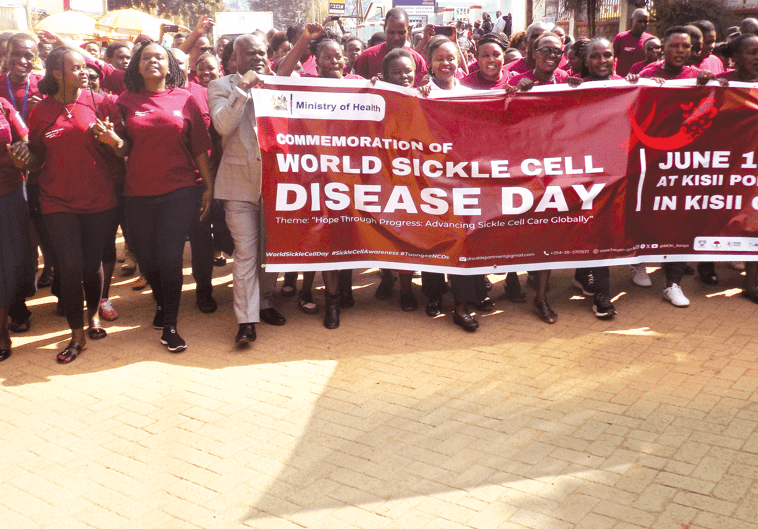
You may have heard of a hereditary condition called sickle cell anaemia that affects people of all ages and genders across the world. However, there are signs associated with the disease that are more often overlooked. But before that, let us know what this monster of a condition is.
What is sickle cell anaemia?
Sickle cell disease is an inherited blood disorder that affects the normal functioning and behaviour of haemoglobin, the protein in red blood cells that carries oxygen. The condition is occasioned by rigid red blood cells that appear like a sickle, making them unable to carry oxygen.
The crescent-shaped red blood cells have a short lifespan due to their shape, leading to severe anaemia. They also lead to immense pain for the patient by blocking the normal blood flow and getting stuck in small blood vessels.

Signs and complications
- Pain crises: A sickle anaemia patient experiences intense episodes of pain that can occur in joints, chest and anywhere in the body. The discomfort hinders one from doing normal and, even the lightest tasks, whenever crises strike.
- Anaemia: If at any time you or someone in your family experiences fatigue, shortness of breath, and dizziness, it is advised that you seek an early medical check-up, as this also could be a sign of sickle cell anaemia due to a lack of healthy red blood cells.
- Jaundice: This is a medical condition characterised by yellowing of the skin and eyes. Jaundice is brought about by the early death of sickled red blood cells, making one look pale. If you, your child or family kin exhibits such symptoms, it is good to seek early medical attention.
- Organ damage: Over time, the compromised blood flow can cause blockages, leading to damage to vital body organs. If a family member is diagnosed with an organ failure, it is also good to consider doing sickle cell anaemia check-ups.
- Other complications: Sickle cell anaemia patients also record different complications, including stroke, reported acute chest syndrome, problems with clear vision, and increased vulnerability to the condition.
You Might Also Like



Sickle cell anaemia is normally detected at birth through routine newborn screening. The condition is managed by blood transfusions and medications like hydroxyurea, among other varied methods to control the condition.
In Kenya, Kilifi County is reported to be the most affected by the disease. Health experts say the SS genotype is about 20 per 1,000 births in the region, the county’s health department says.
In June 2025, Kilifi County Health Director Hassan Leli said over 1,500 sickle cell disease (SCD) patients were being monitored in public health facilities in the devolved unit.
“SCD is the world’s most common hereditary blood disorder, and many people who are interested in having children should emphasise genotype testing to avoid giving birth to children with the disease,” he said.
“For a child to be born with the condition, both parents must carry a sickle-cell gene, known medically as the AS genotype, which is passed from one generation to the next. If someone with a trait marries another person with it, there’s a higher chance that their child will be born with the disease,” he explained.
Author
Latest News








Advertisement
More on Insights