Advertisement
Why governors serving second term may not vie for Senate seat in 2027 polls
Thursday 23rd April, 2026 01:06 PM|

A proposal seeking to lock out second-term governors from contesting Senate seats in the 2027 General Election has emerged, about 15 months to the polls, amid an escalating standoff between governors and senators over accountability and control of public funds.
A Bill introduced in the Senate aims to amend the Constitution and the Elections Act to bar serving or former governors who have left office within five years of an election from vying for seats in the Senate or county assemblies.
The Constitution of Kenya (Amendment) Bill, 2026, proposes changes to Articles 99 and 193, as well as Sections 24 and 25 of the Elections Act, to introduce fresh disqualifications designed to prevent conflicts of interest, particularly where former governors could end up in institutions mandated to oversee them.
Governors are currently answerable to both county assemblies and the Senate for their financial and administrative decisions while in office, with audit reviews often continuing even after they exit power.
You Might Also Like



The sponsor of the bill, Kirinyaga Senator James Murango, says the introduction of a five-year cooling-off period would allow oversight bodies sufficient time to conclude investigations into the conduct of former governors without interference.
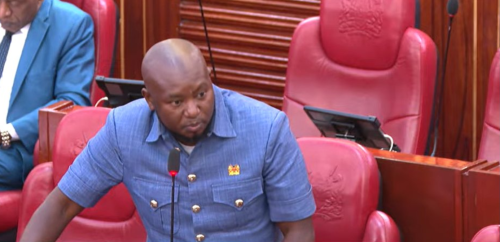
“Allowing former governors to immediately transition into legislative roles within these same bodies would create a conflict of interest and potentially interfere with ongoing accountability processes,” the proposal reads in part.
He argues that allowing governors to move directly into legislative roles within oversight institutions risks compromising accountability processes and undermining transparency.
The bill, first read in the Senate on March 26, 2026, comes at a time when relations between governors and senators have deteriorated sharply, with disputes centred on financial oversight and audit queries.
Governors have boycotted sessions of the Senate County Public Accounts Committee (CPAC), accusing some senators of extortion, intimidation and turning oversight into a “pay-to-play” scheme by allegedly demanding bribes to clear audit issues.
Governors-Senators tiff
They have also questioned the legitimacy of some audit summons, claiming reports are tabled outside the required timelines and selectively used to target certain county chiefs.
Tensions have spilt into the public domain, including a confrontation between senators and Samburu Governor Lati Lelelit outside Parliament, which the Council of Governors (CoG) condemned as hooliganism.
The CoG has since resolved to boycott CPAC proceedings until concerns about the conduct of certain committee members are addressed, though governors have indicated willingness to appear before other Senate committees.
In response, the Senate published a list of shame, naming more than 10 governors who failed to appear for questioning over the use of billions in public funds, with some lawmakers calling for arrests and sanctions.
Governor’s double-edged sword?
Senate Speaker Amason Kingi has rejected the boycott, insisting that compliance with oversight processes is mandatory and warning of consequences, including withholding county funds and declaring non-compliant governors unfit for public office.
The ongoing standoff has reinforced arguments in favour of the proposed law, with its proponents saying it would shield oversight institutions from undue influence by former governors seeking elective positions within them.
Murango maintains that barring former governors from contesting immediately after leaving office would ensure accountability processes related to county administration are completed without interference.
“Barring former county governors from vying for elections will allow ongoing accountability processes related to the administration and financial management of counties to be completed,” it reads.
“Oversight bodies would have adequate time to enquire into matters arising from the tenure of a previous holder of the office of county governor without interference by the former governor, which is highly likely, particularly if the person is elected as a member of a county assembly or the Senate.”
He adds that the cooling-off period would also give voters a clearer basis to assess the integrity and performance of former governors before they seek other elective positions.
The Senate Standing Committee on Justice, Legal Affairs and Human Rights is expected to lead public participation on the bill, after which it will compile a report incorporating public views and recommendations for debate in the House.
Author
Latest News






Advertisement
More on Inside Politics