Advertisement
Senator Nyutu: BBI would have solved IEBC’s boundary delimitation quagmire
Wednesday 28th January, 2026 07:46 AM|
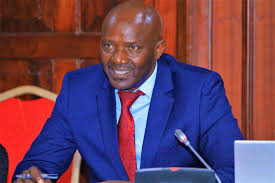
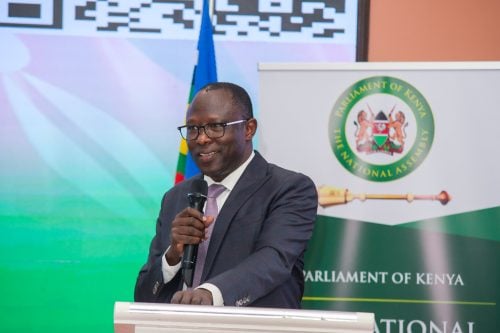
Murang’a Senator Joe Nyutu has reignited debate on the stalled review of electoral boundaries, saying the now-defunct Building Bridges Initiative (BBI) would have offered lasting solutions to the challenges currently facing the Independent Electoral and Boundaries Commission (IEBC).
Speaking during an interview on a local TV station on Wednesday, January 28, 2026, the senator argued that constitutional timelines and political sensitivity have made it almost impossible for IEBC to carry out a meaningful boundary review ahead of the 2027 General Election, adding that BBI had proposed practical reforms that addressed representation, resource allocation and fairness, but were lost when the initiative was shelved.
“They (IEBC) have a point. It is not possible, actually, to make a review. Even the partial review they are saying that they could make, I think we may need some legal advice on that, whether it is legal or not, because the constitutional provision is two years before the elections,” he said.
“Whatever was thrown out of BBI, you know it had some very good proposals, like some constituencies would have several members representing them. So if im representing 200,000 people and somebody else 30,000 people and each has one vote in the House, is this fair?”
You Might Also Like
Nyutu noted that the Constitution strictly limits boundary reviews within a defined electoral cycle, leaving IEBC with little room to manoeuvre. This, he said, has contributed to the current impasse, with the commission now considering phased reviews amid legal uncertainty.
His comments came against the backdrop of a recent IEBC statement acknowledging delays in reviewing electoral boundaries.
In the statement issued on January 27, 2026, IEBC chairperson Erastus Ethekon said the process had been overtaken by constitutional timelines, even though it was initially meant to be completed by March 2024.
The commission cited vacancies, court cases over census data, and multiple lawsuits as major obstacles.
But beyond the legal constraints, Nyutu said the bigger and more uncomfortable national conversation is about how Kenya defines representation and shares resources.
“I think the bigger debate is about what you have finished with, allocation of resources. It is high time that we discussed and decided whether we should still continue making CDF allocations depending on the number of constituencies, or we should look at the numbers,” the legislator argued.
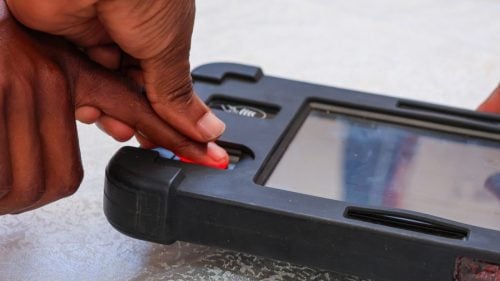
Representation concerns
He questioned the fairness of allocating equal amounts of Constituency Development Fund (CDF) money to constituencies with vastly different populations.
According to the senator, some constituencies have more than 200,000 residents, while others have as few as 30,000, yet they receive the same funding and representation.
“At the end of the day, we allocate resources to people. So we need to ask ourselves whether this is something that we should continue with,” he said.
Nyutu acknowledged that geography must also be considered, noting that some constituencies are expansive and costly to administer. However, he insisted population size should be the primary basis for both representation and resource allocation.

He said BBI had attempted to address these inequalities by proposing alternative models of representation. Citing the political arrangement between retired President Uhuru Kenyatta and the late Prime Minister Raila Odinga, saying the proposals included the idea of multiple representatives in highly populated constituencies.
“Representation is about the people. If I’m representing 200,000 people, and somebody else is representing 30,000 people, and each one of us has one vote in the House, is this representation fair?”
According to Nyutu, under BBI, some constituencies would not necessarily be split, but would instead have several members representing the same area to reflect population realities. He argued this would have reduced pressure on boundary reviews while enhancing equity.
However, he admitted that such discussions remain politically sensitive.
“It is one of the most inconvenient conversations to have. President Kenyatta once urged Kenyans to slow down on the one man, one shilling, one vote debate,” he stated.
Author
Latest News



Advertisement
More on Inside Politics