Ruto back in Kenya ahead of major Coast tour amid govt expenditure jitters
By Aloys Michael, May 21, 2026President William Ruto has returned to the country and is set to begin a five-day development tour of the Coast region, with the State House outlining a packed itinerary covering projects across the six coastal counties at a time of renewed public scrutiny over government spending.
According to the State House, the tour, which begins on Thursday, May 21, 2026, will include the launch, inspection, and handover of key infrastructure and service delivery projects. A major highlight will be the accelerated issuance of title deeds in Mombasa, which will be extended to all Coast counties as part of the administration’s efforts to resolve long-standing land ownership disputes in the region.
In Lamu County, the President is expected to commission the completed Kizingitini Fish Market in Lamu East Constituency, inspect ongoing works at the Hindi Modern Market in Lamu West, and break ground for the A7 Junction Safirisi–Ndeu road project, all part of a broader push to stimulate local trade and connectivity.
The visit comes against clamour over government expenditure, particularly following criticism of recent foreign and domestic travel arrangements involving the Head of State.
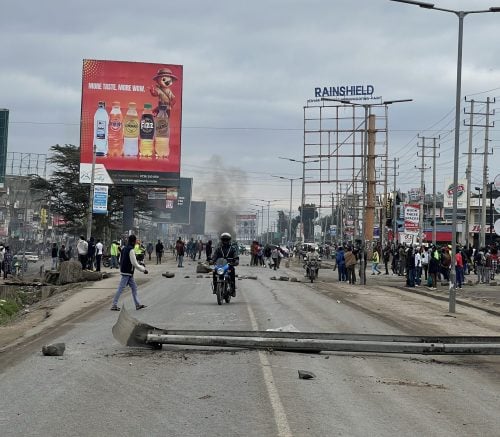
Concerns have been raised in political circles and among the public about the cost and optics of presidential mobility at a time when Kenyans are grappling with high living costs and fuel-related disruptions.
Earlier travel episodes have fuelled controversy over the use of chartered and military aircraft for presidential duties.
At different points, the President has been reported to use a Kenya Air Force Dash 8 for official regional travel and, on return legs, a private Embraer Legacy 650 jet linked to charter operations.
The aircraft is known for its premium cabin configuration, featuring multiple lounge zones, advanced entertainment systems, in-flight Wi-Fi, and high-end comfort fittings.
Industry estimates have previously placed charter costs for such aircraft at about Ksh 1.1 million per hour, with purchase prices for pre-owned models reaching approximately Ksh 2.3 billion, figures that have intensified public discussion about cost efficiency in state travel.
The debate has been further amplified by past long-haul trips, including visits to Azerbaijan, Kazakhstan, Angola, and the United States, where charter arrangements reportedly ran into tens of millions of shillings.
Misplaced priorities?
Critics argue that such expenditures contrast sharply with the government’s public messaging on austerity and fiscal discipline.
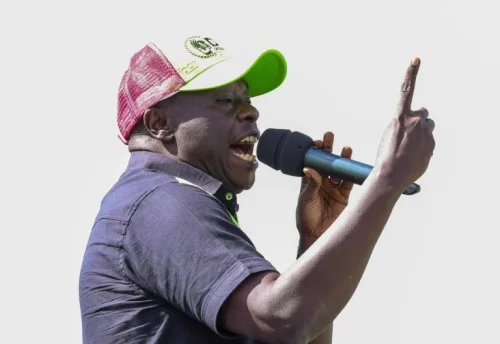
Former Deputy President Rigathi Gachagua criticised the President over one of the foreign trips.
“He is paying Ksh5 million per hour for the jet since it is the epitome of luxury. It has a full bedroom, a massage parlour and a spa with a Jacuzzi, steam sauna and massage facilities. It has four girls from Seychelles. He is enjoying himself when Kenyans are struggling,” he said.
Kiharu MP Ndindi Nyoro also questioned the timing of presidential travel during domestic tensions, stating:
“If I were in the shoes of the Head of State, I would not have travelled to Azerbaijan. Sometimes when you are in power, you may take a lot for granted, and I think the government is taking a lot for granted. It is the wrong time for that trip to Azerbaijan. We have much more pressing issues in the country,” he said.
“In the position of government, what I would have done is actually address the nation, maybe around the seventh of the month, because when you are in that position, you are not like me or any other Kenyan. You have information, you can estimate the rising cost, and you can estimate what will be announced on the 14th. So they should have come out, faced the Kenyan people, given the figures early, and then conceded where necessary.”
As Ruto turns his attention to the Coast development tour, the administration is seeking to project a focus on service delivery and infrastructure expansion, even as questions over public spending and presidential travel continue to circulate in political and economic discourse.