Advertisement
Nyikal explains how Kenya’s political loyalty is shaped
Tuesday 05th August, 2025 09:49 AM|
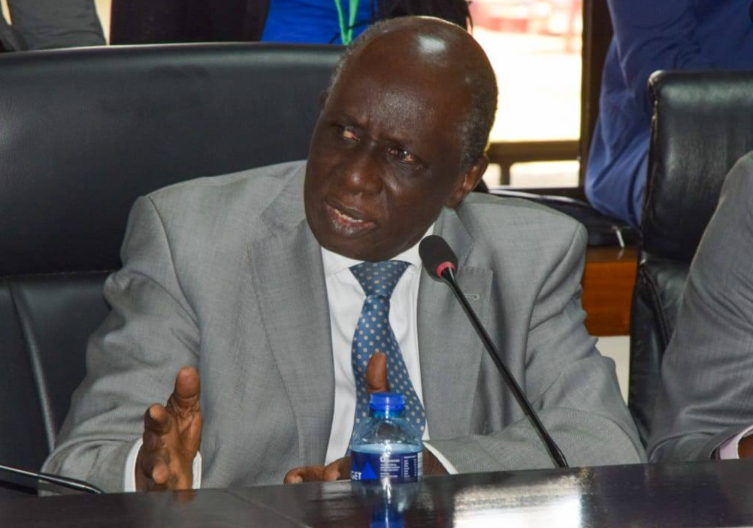
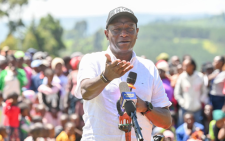
Seme Member of Parliament James Nyikal has explained how party loyalty in Kenya is mainly inclined along ethnic lines.
Speaking to a local TV station on Tuesday, August 5, 2025, Nyikal noted that the tendency to form political alliances along tribal lines is rooted in human nature, where people naturally gravitate toward groups that offer identity and belonging.
“Human beings are group hunters like other animals, so they quickly form a group, and they say, now we want to pursue our things as a group, as hunters. That is a good thing. Now, tribe is an easy thing to use as a group because they have a sense of belonging.” Nyikal explained.
At the same time, he has attributed Kenya’s persistent social and political challenges to tribalism, corruption, and populism; vices he says are deeply entrenched and driven by selfish, unprincipled leadership.
You Might Also Like

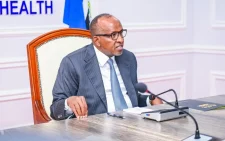
The Seme lawmaker emphasised that three factors have significantly derailed Kenya’s progress, much like other African countries.
“Three factors have set us back as a country and have done the same in other parts of Africa: tribalism, corruption, and populism, which are driven by selfishness and unprincipled ambitions. You put all those three things together, and it takes us to the disaster we are currently in,” said Nyikal
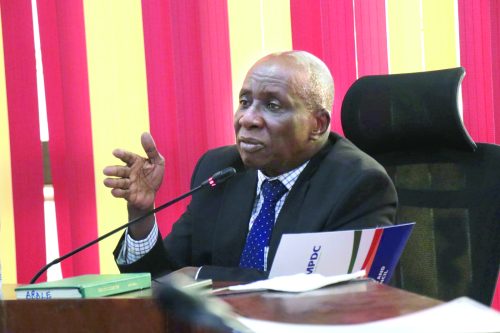
Tribal identity
He warned that tribal identity is often exploited more effectively than issues that truly affect the lives of ordinary citizens.
“If you drive us along those lines, it is easier to mobilise us than to mobilise us on important things that unite people like security, cost of living, education, etc. We mention all these, but we use tribalism to bring people together.” Nyika warned
Nyikal criticised Kenya’s political parties for failing to transcend tribal lines, even when they claim national appeal.
“That is why most of our parties, even those with big national coverage, you still find that they do tribalism,” he stated
According to him, political groupings are still largely shaped by ethnic interests, which weakens national unity and undermines trust in democratic institutions.
“People still say we are at this party, but we say we’re from this group. At this party, we don’t feel okay,” he said
Calling for a shift in the way political unity is defined and pursued, Nyikal concluded that ways should be looked into to streamline the menace.
“We need to find out how to end this,” he concluded
Author
Latest News




Advertisement
More on Inside Politics