Advertisement
Khalwale faults nominated senators for limiting role to women’s issues
Wednesday 01st October, 2025 04:34 PM|
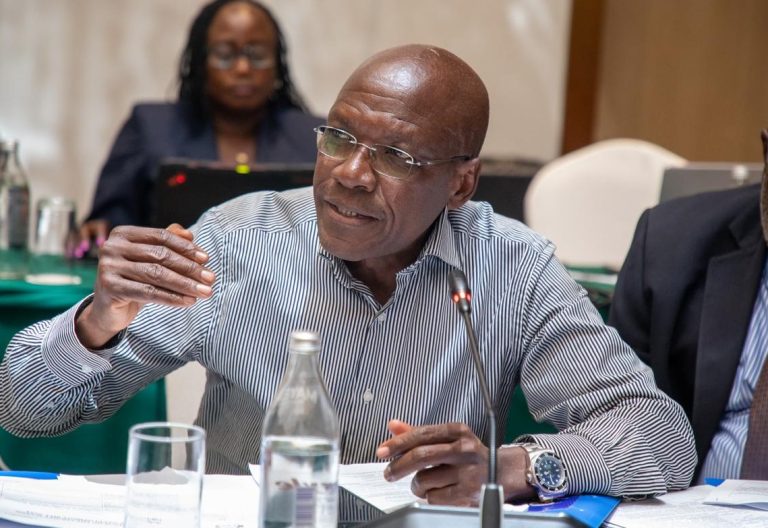
Kakamega Senator Boni Khalwale has faulted his female nominated counterparts for repeatedly framing their role in Parliament as being solely to represent women.
During a Senate sitting on Wednesday, October 1, 2025, convened to approve recently nominated Senator Consolata Wabwire to serve in select committees, Khalwale criticised what he described as a recurring habit among some nominated female senators of focusing their contributions narrowly on gender-related matters.
“The agenda day in, day out. Agenda one. Agenda two is on women. Who told you you came here to represent women?” Khalwale stated.
He argued that the responsibility of a senator is to defend the Constitution of Kenya and to address the diverse issues affecting citizens, not to restrict representation to women alone.
You Might Also Like



Khalwale pointed out that several women senators already handle broader national matters effectively, adding that nominated members should follow that example.

“You came here to defend the Constitution of Kenya. In the heat of the moment, knowing the Constitution, does it say that a nominated senator represents women? In fact, there are some women here, Senate women, women senators here who represent me so well that when they do it, I only acknowledge them. I don’t even raise a finger. So, Senator, take courage. Don’t be stuck in the misconception that you represent women,” he added.
Khalwale went ahead to hail nominated senator Essie Okenyuri, who, despite holding the nominated status, has been out championing diverse issues like tea reforms and not limiting herself to women’s issues alone, urging other female senators to follow suit.
“Learn from Senator Esther Okenyuri. She addresses diverse issues. She has talked about the important issue of tea farmers,” he added.
Curbing multiple nominations
These come days after Suba North MP Millie Odhiambo vowed to bring legislation in parliament aimed at limiting nominated representatives from enjoying the privilege multiple times.
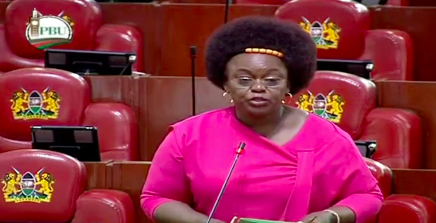
She argued that the 2010 constitution had envisaged that the nomination capacity offered to different affirmative groups should act as a launching pad into the elective politics where, once nominated, one should prepare to contest in the next election cycle.
“I am bringing legislation limiting the times a person can be nominated for a seat. It defeats the purpose for which affirmative action was created if one person is nominated every election cycle. The nomination serves as a launching pad, and once or twice is enough. After that, please go for a competitive seat,” Mabona stated.
Author
Latest News








Advertisement
More on Inside Politics