Advertisement
Javas Bigambo: Broad-based govt has achieved 90 per cent of Gen Z demands
Wednesday 11th March, 2026 09:05 AM|
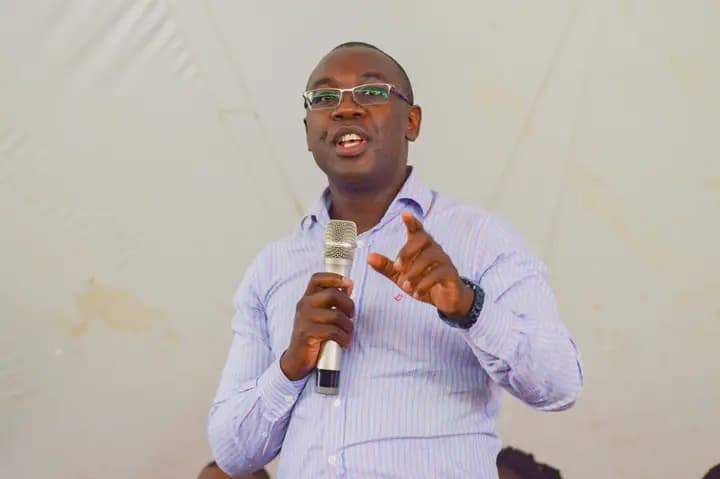
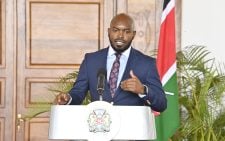
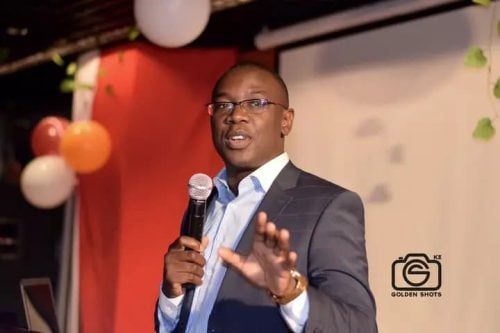
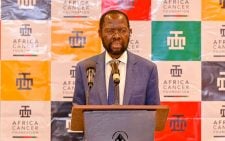
Vice Chairperson of the 10-point agenda and National Dialogue Committee (NADCO) Report Oversight Committee, Javas Bigambo, has said the broad-based government has already implemented the majority of demands raised by young Kenyans during the 2024 Gen Z protests.
Speaking on Wednesday, March 11, 2026, during an interview with a local TV station, Bigambo argued that nearly 90 per cent of the issues raised by the youth-led demonstrations have been addressed through the implementation of the country’s 10-point national agenda.
According to Bigambo, the 10-point agenda focuses on reforms aimed at strengthening governance and improving national development.
“The 10-point agenda is about the governance and progress of the country,” he said.
You Might Also Like


He explained that the framework emerged from extensive consultations conducted by the dialogue committee with a wide range of stakeholders across the country.
“If you analyse what we came up with after extensive engagement with various stakeholders, you would realise that actually the broad-based government has achieved about 90 per cent of the demands that were made by the Gen Z in 2024,” Bigambo said.
Gen Z protests
The Gen Z protests that rocked the country in 2024 were largely driven by frustrations among young people over issues such as the cost of living, unemployment, governance, and accountability in public spending.
The demonstrations, which spread across several major towns, prompted political leaders to seek dialogue aimed at addressing the concerns raised by the youth.
The National Dialogue Committee, formed through bipartisan consultations, produced recommendations that later informed the 10-point national agenda, which the government says guides ongoing governance reforms.
Bigambo noted that many of the protest demands were captured within the specific components of the reform agenda and that several policy actions have already been undertaken to address them.
“Those demands are contained within the particulars of the 10-point agenda and the results that we have enumerated,” he said.

The NADCO Report Oversight Committee was established to track the implementation of recommendations made by the dialogue process and ensure continued engagement between political actors and citizens.
10-point agenda report
The five-member committee on the implementation of the 10-point agenda agreed upon by President William Ruto and the late ODM leader Raila Odinga released its report on Tuesday, March 10, 2026, making a wide array of recommendations on policies and legislative and institutional issues that require further action.
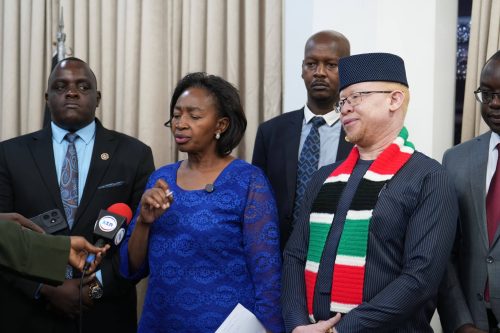
The committee, led by former nominated senator Agnes Zani, arrived at the recommendations after extensive stakeholder consultation across the country through public forums and submissions through memoranda.
“Based on these engagements, the committee notes that there is progressive implementation of the 10-point agenda, although several policies, legislative and institutional issues require further action to enhance effectiveness and delivery,” the committee said.
Key among its 11 overall recommendations is the formation of a broad-based mediation committee between the Senate and the National Assembly to fast-track outstanding Bills as well as enhance protection of protesters by enacting new laws that guarantee respect of Article 37 of the constitution.
“The National Police Service should be resourced and supported to strengthen continuous training and retooling of the police for effective crowd management in accordance with the rule of law,” the report notes.
Author
Mustafa Juma
View all posts by Mustafa JumaLatest News


Advertisement
More on Inside Politics