Advertisement
Why matatu fares spike in December and how they are calculated
Tuesday 23rd December, 2025 07:57 AM|
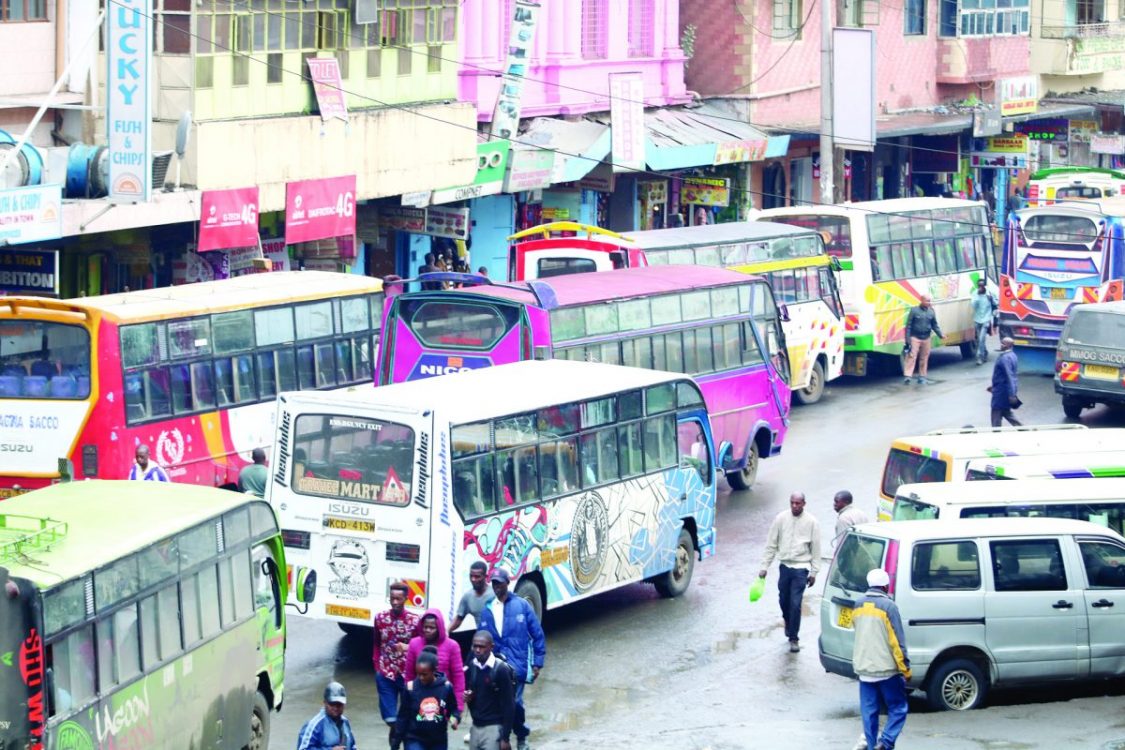
It is that season when Kenyans hit the roads for holidays and festive getaways. As expected, public service vehicles (PSVs), especially matatus, sharply increase their fares, sometimes nearly tripling the usual rates.
But why do matatu operators hike prices during this period, and what drives the seasonal rush in fares? Here’s a closer look at the factors behind the year-end fare surge.
Matatu fares in Kenya are not fixed and are largely fluid, informal, and driven by market forces, which explains why passengers often experience sudden spikes, especially in December.
Under normal circumstances, matatu fares are influenced by distance, fuel prices, road conditions, vehicle type, and demand along a specific route.
You Might Also Like



Short routes with high passenger turnover tend to have relatively stable fares, while long-distance or low-demand routes fluctuate more frequently.
Passenger-driven fare surges
The rush to get home for Christmas and New Year leaves many passengers willing to pay inflated fares without resistance. Once accepted, these higher prices quickly set the seasonal benchmark.
In short, December matatu fare hikes are fueled by a mix of soaring demand, limited vehicle availability, holiday travel pressure, lax enforcement, and unregulated pricing practices.
Without formal fare guidelines or stronger consumer protections, Kenyans should brace for December to remain the costliest month to ride a matatu.
Demand vs availability
December holidays introduce a different dynamic altogether: demand explodes. Millions of Kenyans travel upcountry for Christmas, weddings, funerals, and end-of-year holidays. The number of passengers seeking transport far exceeds the available vehicles, giving operators leverage to charge higher fares.
Seasonal scarcity
Many matatus are withdrawn from regular routes to serve lucrative long-distance trips. This reduces supply in urban areas, pushing up fares even for short journeys within towns and cities.
Fuel considerations
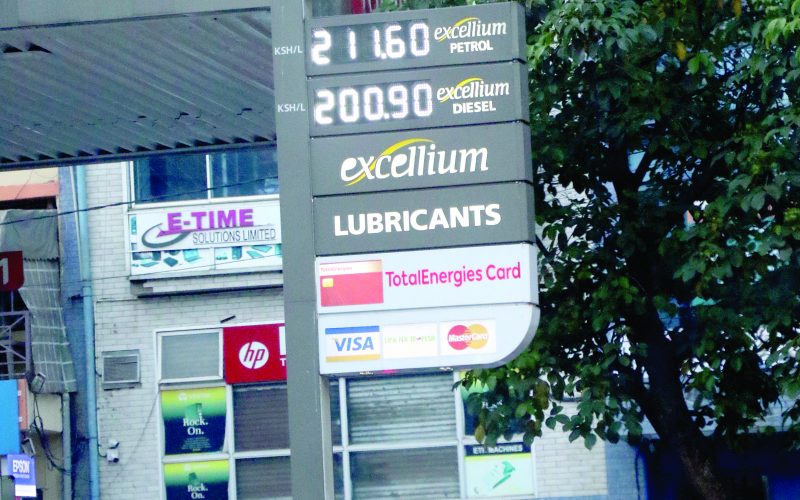
Despite EPRA announcing in December that the fuel prices would remain unchanged after an earlier rise, this could do little in terms of matatus lowering the fares. When pump prices rise, operators pass the cost to passengers almost immediately.
Even when fuel prices remain stable, the perception of higher operating costs still triggers fare adjustments, particularly during peak periods.
Weather and road conditions
When travelling upcountry, poor roads increase wear and tear, fuel consumption, and travel time. Operators factor these risks into fares, particularly on rural and upcountry routes where breakdowns are more likely.
NTSA, police crackdown
During this time of the year, just as was recently witnessed, the National Transport and Safety Authority (NTSA) and the police announced that there will be increased police presence, roadblocks, and inspections. Altogether, it raises the likelihood of fines or delays.

Operators often build these anticipated costs into passenger charges, even if no fine is ultimately paid.
At the same time, informal fare setting within the matatu sector makes regulation difficult. While NTSA provides general guidelines, there is no rigid fare-control mechanism.
Crew members often adjust prices on the spot, depending on crowd size, time of day, and competition from other vehicles.
Author
Latest News








Advertisement
More on Business