Advertisement
Why EPRA’s pipeline tariff hike means higher inflation, fuel pain for Kenyans
Thursday 21st May, 2026 06:11 AM|

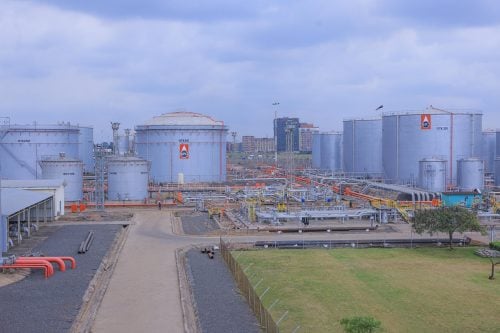
Kenyans are set to shoulder higher fuel costs after the Energy and Petroleum Regulatory Authority (EPRA) approved an increase in the cost of transporting petroleum products through the Kenya Pipeline Company (KPC) network.
The new pipeline transport tariffs, which will apply over the next three years to July 2028, are expected to gradually pile pressure on pump prices, with the impact likely to trickle down to transport fares, food prices, and the overall cost of living.
EPRA announced that KPC’s pipeline tariff will rise from the current Ksh5.44 per cubic metre per kilometre (m3/km) to Ksh5.53 beginning July 15, 2026, before increasing further to Ksh5.83 in July 2027.
Although the increase appears marginal, energy costs remain a key component in determining retail fuel prices, meaning motorists and households could eventually feel the effect at the pump.
You Might Also Like
The latest adjustment comes at a time when Kenyans are already grappling with rising fuel-related charges. Since April 15, pump prices have edged upwards due to higher landed fuel costs, with super petrol increasing by 32 cents per litre, diesel by 38 cents, and kerosene by 36 cents.

While the current tariff remained unchanged for the period ending July 14, the approved increments signal additional pressure in the coming years as fuel distributors pass transport and storage costs to consumers.
“The Energy and Petroleum Regulatory Authority has reviewed and approved the applicable Kenya Pipeline Company’s (KPC) multi-year pipeline transport tariff for the tariff control period 2025/2026–2027/2028.
“The effective date of the above set of tariffs is April 15, and subsequent adjustments for the next tariff control period will be on July 15 of every year.”
KPC had applied for higher charges in October last year, seeking a tariff of Ksh5.57 per m3/km for 2026/27. EPRA, however, moderated the request to Ksh5.53 while maintaining the current year’s charges.
Every three years, KPC reviews its pipeline transportation and secondary storage tariffs to cater for operational expenses, infrastructure maintenance, and expansion of fuel depots and pipelines across the country.
Even so, the increase adds to a growing list of fuel-related charges that have steadily pushed up pump prices over the past two years.
Inflation fears
In 2025, EPRA approved a Ksh5 per litre increase in margins for oil marketing companies. This followed the Ksh7 rise in the Road Maintenance Levy in July 2024, the doubling of Value Added Tax (VAT) on fuel to 16 per cent in 2023, and an increase in the regulatory levy from 25 cents to 75 cents per litre.
Although VAT on fuel was later reduced to eight per cent temporarily to cushion consumers from global oil market shocks linked to tensions involving Iran, Kenyans are still paying significantly more for fuel compared to two years ago.
According to analysts, the combined effect of taxes, levies, and revised fuel margins since 2023 has pushed pump prices up by about Ksh12 per litre.
The Institute of Economic Affairs (IEA) has previously warned that repeated small adjustments in Kenya’s fuel pricing formula are quietly creating a long-term burden on consumers.
“Over the past two years, Kenya’s fuel pricing structure has undergone a series of notable shifts, with each one quietly adding weight to the final pump price. These incremental adjustments are shaping a new normal in Kenya’s fuel pricing and deserve a closer look,” said IEA in a recent analysis of the fuel pricing regime in Kenya.
“All else being equal, the price of a litre of petroleum product has risen by a fixed amount of approximately Ksh12 per litre over the past two years.”
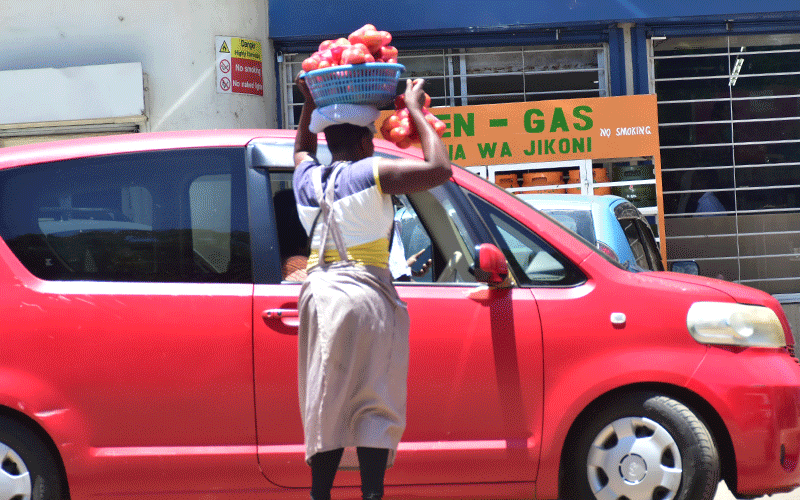
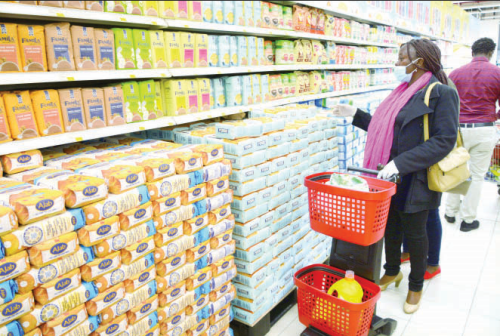
For ordinary Kenyans, the latest tariff adjustment is likely to deepen concerns over the rising cost of transport and basic commodities, especially as fuel prices remain central to the cost of doing business across the economy.
Author
Latest News







Advertisement
More on Business