Advertisement
Fuel prices may increase again in June, petroleum dealers warn
Monday 18th May, 2026 11:53 PM|

Kenya’s fuel sector is facing expectations of another price increase in mid-June, as petroleum dealers warn that global supply disruptions and domestic pricing structures will continue to affect pump prices.
The warning comes at a time when the country is experiencing a nationwide transport strike linked to high fuel costs, which has disrupted movement, business operations and public services.
In an interview late on Monday, May 18, 2026, Martin Chomba, Chair of the Petroleum Outlets Association, said fuel prices are likely to rise again as new procurement cycles reflect current global conditions.
“By June 14th, the price will go higher again. This time we have started feeling the heat of the actual war,” Chomba said.
You Might Also Like
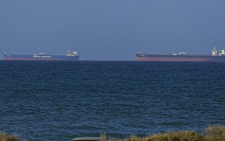

He explained that Kenya procures petroleum about one month in advance, meaning current prices reflect earlier market conditions, while the next pricing cycle will capture more recent global developments.
Chomba also pointed to differences in fuel systems across countries, noting that Kenya’s pricing structure differs from neighbouring Uganda, where a state-linked import model is used. He said Uganda National Oil Corporation manages bulk imports, allowing oil marketers to compete at the distribution level.
He added that Uganda’s taxation levels are lower, ranging between 30 to 40 per cent, compared to Kenya’s estimated 40 to 50 per cent range. He also cautioned against comparing Kenya with countries such as the United States, citing differences in income levels and market conditions.
The government has also announced a proposed adjustment to fuel pricing aimed at addressing fuel adulteration risks linked to price differences between diesel and kerosene.

“For prudence purposes… we are going to bridge the gap between the prices of diesel and petrol. That would mean the price of kerosene and petrol would have to go higher as that of diesel comes lower,” Wandayi said during a briefing at Transcom House.
Transport operators have opposed the proposal, maintaining that they were not part of any agreement and continuing with their strike action.
Protests and transport disruptions
The nationwide transport strike began on Monday, May 18, 2026, with participation from matatu operators, truck drivers, boda boda riders and other transport stakeholders. Demonstrations spread across major towns, with road blockades and burning tyres reported in several areas.
Interior Cabinet Secretary Kipchumba Murkomen said four people had died during the unrest, with more than 30 others injured and 225 arrests recorded. He also confirmed that six police officers were injured during confrontations.
The protests have led to school closures, business disruptions and stranded commuters, as transport services remained paralysed in affected regions.
Global pressure and rising fuel costs
The crisis has been linked to international oil market disruptions, including tensions affecting shipping routes through the Strait of Hormuz. These disruptions have contributed to increased global oil prices, which have affected import costs for Kenya.
Recent reviews by the Energy and Petroleum Regulatory Authority have recorded fuel price increases of over 20 per cent in some categories, including petrol and diesel. The government has defended its position, stating that tax removal would significantly affect public revenue.
Treasury Cabinet Secretary John Mbadi has stated that fuel products remain available but are arriving at higher prices due to global market conditions.
Transport stakeholders continue to demand the removal of fuel taxes, including VAT and the Road Maintenance Levy, as discussions between government and industry players continue ahead of the next pricing cycle.
Author
Latest News






Advertisement
More on Business