Advertisement
What re-opening of Straight of Hormuz mean for Kenya’s fuel cost crisis
Thursday 18th June, 2026 09:20 AM|

Kenya may finally get some relief from persistent fuel cost pressures following the reopening of the Strait of Hormuz, one of the world’s most important oil shipping routes.
After weeks of uncertainty caused by rising tensions in the Middle East, the decision to restore normal movement through the strategic waterway could bring positive news for consumers, businesses and the wider economy.
The Strait of Hormuz may seem far away from Kenya, but what happens there has a direct impact on the price motorists pay at fuel stations and the cost of transporting goods across the country.
Nearly a fifth of the world’s crude oil passes through this narrow passage connecting the Persian Gulf to global markets. When conflict threatens shipping in the region, oil prices usually rise as traders fear supply disruptions.
You Might Also Like

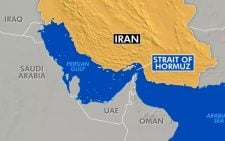

That is exactly what happened during the recent crisis. Concerns over the possible closure of the Strait pushed global oil markets into uncertainty. Shipping companies faced delays, insurers raised risk premiums, and fuel importers braced for higher costs.
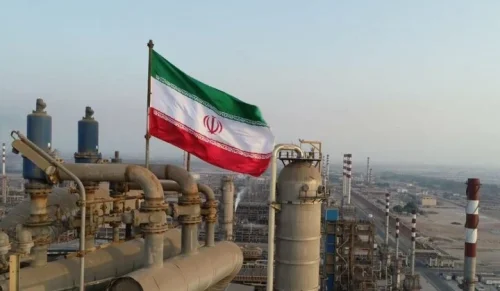
For countries that depend heavily on imported petroleum products, the situation created fears of another wave of fuel price increases.
For Kenya, the stakes were particularly high as the country imports most of its fuel requirements and remains vulnerable to changes in global oil markets.
Any disruption in supply routes from the Gulf region quickly translates into higher import costs, which eventually find their way into transport fares, electricity generation expenses and the prices of everyday goods.
The reopening of the Strait of Hormuz changes this outlook significantly. It sends a signal that oil supplies can once again move freely from major producing nations to international markets.
As shipping operations return to normal, concerns about shortages are expected to ease, reducing pressure on global crude oil prices.
Lower shipping risks also mean lower transport and insurance costs for fuel cargo. During periods of conflict, shipping companies often charge more to cover security risks, and insurers increase premiums for vessels operating in dangerous waters.
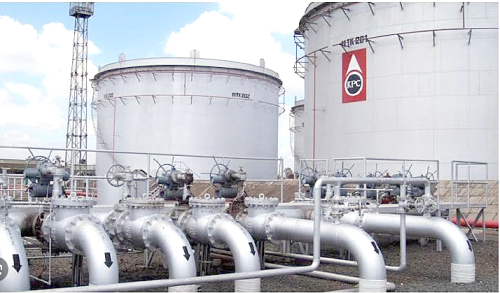
Those extra costs are usually passed on to fuel-importing countries. With tensions easing, these additional expenses are likely to decline.
Kenya stands to benefit because its government-to-government fuel supply arrangement relies heavily on petroleum products sourced from Gulf countries.
The programme has helped ensure a steady flow of fuel imports while easing pressure on foreign exchange reserves. Stable shipping routes are therefore critical to the success of this arrangement.
Local pump relief?
The return of normal vessel movement could help maintain reliable fuel supplies while reducing uncertainty for importers. This stability is important because fuel pricing depends not only on the cost of crude oil but also on transportation, logistics and market confidence.

When uncertainty disappears, markets tend to respond positively.
However, Kenyans should not expect an immediate or dramatic drop in pump prices. Fuel costs are influenced by several factors, including exchange rates, taxes and local distribution expenses.
Even if global oil prices decline, it may take time before the benefits are fully reflected in local fuel prices.
Still, the reopening of the Strait of Hormuz offers hope at a time when many households and businesses are struggling with the high cost of living. Lower fuel prices would ease transport costs, reduce pressure on food prices and support economic activity across different sectors.
In many ways, this development is a reminder of how closely Kenya’s economy is tied to global events. A shipping route thousands of kilometres away can influence the price of fuel, food and services at home.
For now, the return of stability in one of the world’s most critical oil corridors is a welcome development that could help ease Kenya’s fuel cost burden and provide breathing room for consumers and businesses alike.
Author
Latest News








Advertisement
More on Insights