Advertisement
Faith Odhiambo: Poverty and political financing are driving Kenya’s goonism culture
Monday 13th July, 2026 11:26 PM|

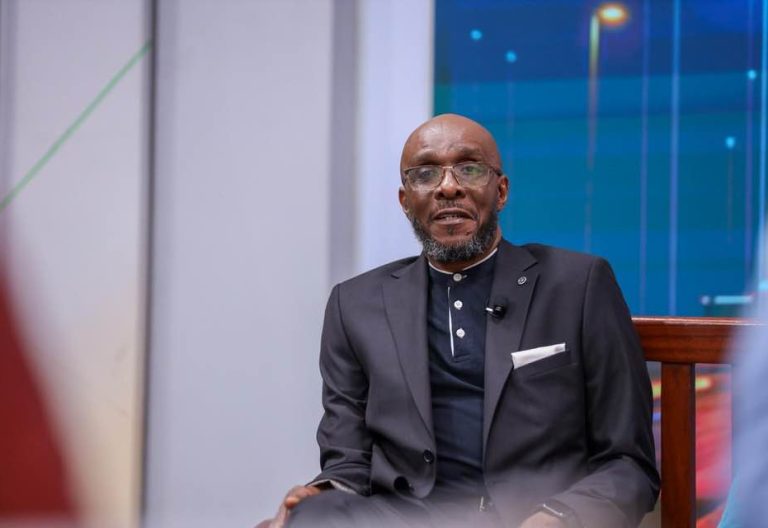
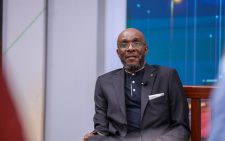
Former Law Society of Kenya (LSK) President Faith Odhiambo has attributed Kenya’s persistent culture of political goonism to poverty and the financing of politics, saying the country has focused too much on policing while ignoring the forces that sustain political violence.
Speaking during a television interview on Monday, July 13, 2026, Odhiambo said goonism has existed in Kenya for decades, only changing names over time as politicians continue using young people to perpetrate violence.
“If we go even to the 90s, this element of goonism has always been there. Using the youth wing, revolution wing… it’s just rebranded into different forms or different names. But it’s just using young people as a commodity to perpetrate impunity as the currency. And the political actors are the buyers,” she said.
She said Kenya’s challenge extends beyond law enforcement.
You Might Also Like



“Our country… we are struggling from a problem, not really a policing problem, but I would say it’s a political financing problem guised or dressed as a policing issue.”
Violence at political events
In Nyahururu, people believed to be goons disrupted a Linda Mwananchi movement rally attended by Murang’a Governor Irungu Kang’ata, Vihiga Senator Godfrey Osotsi and coalition spokesperson Caroli Omondi.
The leaders were forced to flee after chaos broke out shortly after a church service at AIPCA Nyahururu Cathedral.
Kang’ata later said his driver, Gitari, had been shot during the incident.
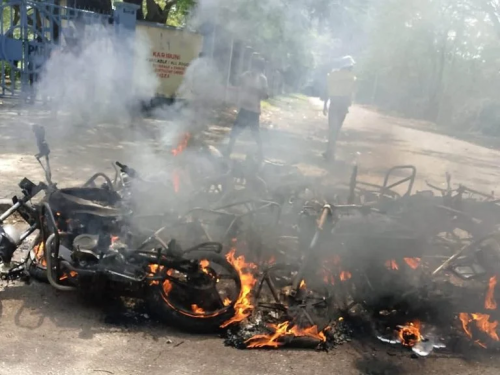
In Kisumu, another political gathering attended by Nairobi Senator Edwin Sifuna and Siaya Governor James Orengo was also disrupted. Several motorcycles were set ablaze before the leaders cut short their programme.
The incidents occurred days before the Ol Kalou parliamentary by-election scheduled for July 16, 2026.
On Monday, July 13, 2026 East African Legislative Assembly member Kanini Kega said armed men he identified as police officers pursued his convoy after campaign activities in Ol Kalou.
In a video recorded from a house in Oljororok, Nyandarua County, Kega said the group pointed guns at him and sprayed his vehicle with bullets. He said a bullet and the butt of a gun recovered from the scene had been handed over to Kasuku Police Station.
Poverty and political financing
Odhiambo said poverty has made young people vulnerable to exploitation by political actors seeking to sponsor violence.
“Goons are young people who are striving to make a dollar, striving to make a buck. Their poverty is the problem that we have in the country… You can make this amount of money in such a short period.”
She said attention has largely been directed at the young people involved while ignoring those financing and organising the violence.
According to Odhiambo, many of the youths recruited into political violence are educated and organised.
“After this season, where do you think they’ll go? They will not poof and disappear in the air. This will be a reality that the state will have to deal with at the end of the day.”
She added that Kenya has repeatedly received recommendations on addressing politically sponsored violence through reports including the Kriegler Report, Waki Report, the Truth, Justice and Reconciliation Commission report and the Kofi Annan-led mediation process.
“It’s like our state wants to see, we want to do the same script, play the same game and yet expect a different outcome. We’re just playing with the same fire.”
Political exchanges
The discussion comes amid a public exchange between former Deputy President Rigathi Gachagua and Interior Cabinet Secretary Kipchumba Murkomen over security in Ol Kalou.
Gachagua has accused the government of using security officers and goons to intimidate supporters ahead of the by-election.
Murkomen has dismissed the claims as “gimmicks” and maintained that anyone involved in violence will face the law.
Odhiambo said lasting solutions will require addressing the political financing that fuels violence and the economic conditions that leave young people vulnerable to recruitment during election periods.
Author
Latest News

Advertisement
More on Inside Politics