Advertisement
Treasury sends budget notice to Kenyans amid plans to review PAYE
Thursday 23rd April, 2026 11:28 AM|

Kenyans have been invited to submit their views on tax measures and budget priorities after the National Treasury issued a public notice seeking input ahead of the 2026/27 financial year budget.
The consultation comes at a critical time as the government considers sweeping tax reforms, including a potential review of Pay-As-You-Earn (PAYE), expected to be captured in the upcoming Finance Bill 2026.
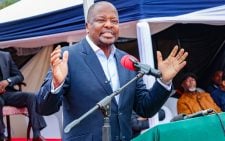
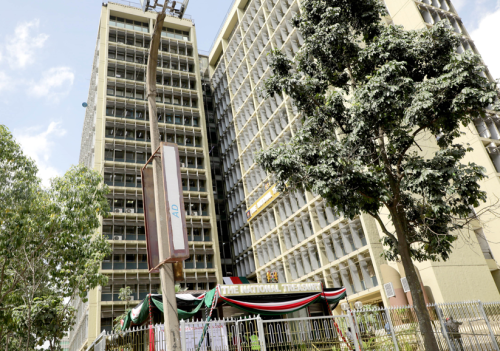
The notice, issued by Treasury Cabinet Secretary John Mbadi, signals the final phase of public participation before the budget is tabled in Parliament in June 2026. It outlines key areas where citizens, businesses, and stakeholders can propose changes, including taxation, economic policy, and expenditure priorities.
According to the document, the Treasury is seeking proposals that balance revenue generation with easing the burden on households and businesses, amid rising concerns over the cost of living.
You Might Also Like
“As part of the finalisation process, the Cabinet Secretary invites views, proposals, and innovative ideas from the public on economic policy, expenditure priorities, and tax measures for the FY 2026/27 Budget,” it said.
The call for submissions comes against a backdrop of earlier proposals by President William Ruto and Mbadi to reduce PAYE, a move aimed at increasing disposable income for Kenyan workers.
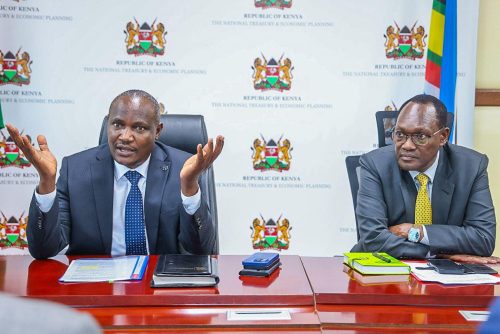
Over the last quarter of 2025, the government hinted at legislative amendments to lower income tax rates, sparking widespread public debate.
However, in a shift of strategy, Mbadi told the National Assembly’s Budget and Appropriations Committee on March 31, 2026, that the government had abandoned plans to introduce a separate Tax Laws (Amendment) Bill.
Instead, all tax-related proposals, including PAYE adjustments, will now be consolidated into the Finance Bill 2026.
This approach is expected to streamline the legislative process while allowing for a more comprehensive review of Kenya’s tax framework.
The Treasury’s public notice emphasises the need for proposals that not only enhance domestic revenue but also reduce financial pressure on citizens.
“Proposals to enhance domestic revenue mobilisation, broaden the tax base, and improve compliance, while minimising the burden on households and businesses.”
Govt’s priority areas
The government is also prioritising economic recovery and growth under its Bottom-Up Economic Transformation Agenda (BETA), which focuses on job creation, food security, and support for small enterprises. Kenyans are encouraged to submit ideas that align with these priorities, as well as strategies to strengthen macroeconomic stability and resilience.
“Interventions to reduce the cost of living, enhance food security, and expand opportunities for youth, women, and vulnerable groups in entrepreneurship, sustainable employment and leadership.”
The consultation period will run until May 8, 2026, giving the public a limited window to influence fiscal policy decisions that will shape the country’s economic direction in the coming year.
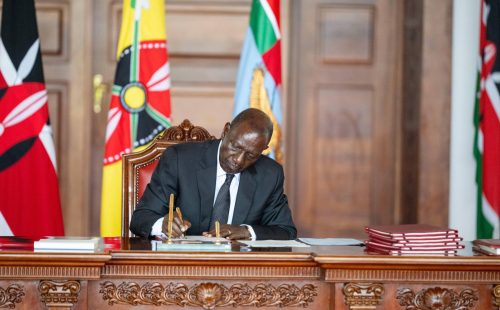
The Budget Statement for the 2026/27 financial year is scheduled to be delivered in Parliament on June 11, 2026, where the government is expected to outline its taxation and spending plans.
“The Cabinet Secretary for the National Treasury is expected to deliver the Budget Statement for the FY 2026/27 to Parliament on 11th June 2026.”
The inclusion of PAYE reforms in the Finance Bill 2026 will be closely watched, as it could significantly impact workers’ take-home pay and overall economic activity.
For many Kenyans grappling with high living costs, any reduction in income tax would provide much-needed relief.
At the same time, the government faces the challenge of maintaining fiscal discipline while funding key development programs, making public input a crucial component of the budgeting process.
Author
Latest News







Advertisement
More on Business