Advertisement
Race for Eastlands fuel market revs up in earnest
Saturday 02nd August, 2025 05:20 AM|
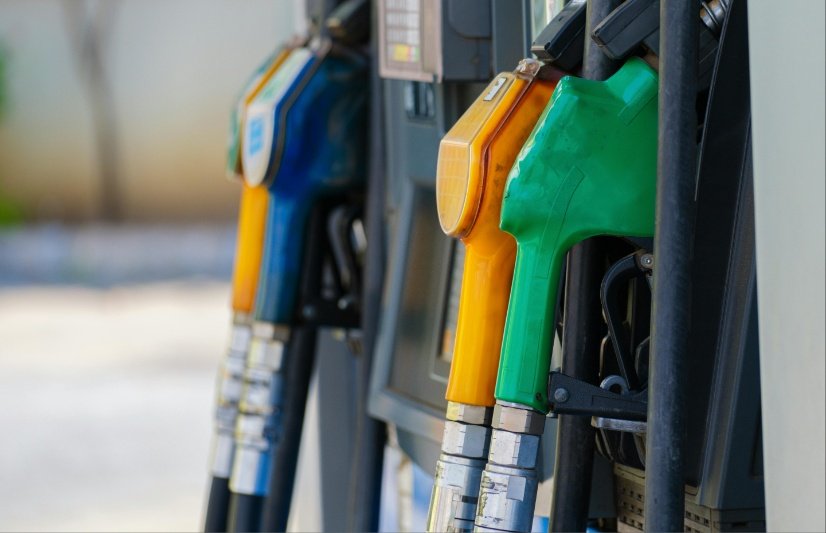
Nairobi’s Eastlands region has seen a strategic turf war unfolding as oil marketing majors and smaller players race to secure space for service stations, turning once-overlooked neighbourhoods into hot zones for fuel retail development.
For decades, Eastlands has been seen as Nairobi’s gritty residential backbone—a web of estates like Umoja, Donholm, Kayole, and Pipeline that together house millions of middle- and low-income earners.
But as infrastructure improves and commercial activity grows, the region’s fuel economy is booming. Oil companies are noticing—and moving fast.
Over the past year, at least a dozen new fuel stations have cropped up across the Eastlands corridor, some bearing the branding of big players like Shell, TotalEnergies, and Rubis, while others operate under independent banners such as Astrol, Hashi, or Olympic.
You Might Also Like



The proliferation is driven by sheer numbers: Eastlands hosts some of the city’s busiest roads and matatu termini, with thousands of vehicles crisscrossing daily.
But the boom isn’t just about traffic. It’s also about proximity to the customer. With the rise of ride-hailing platforms, boda boda services, and rapid delivery firms, fuel demand is increasingly hyperlocal.
Residents prefer stations that offer fast service, good prices, and—where possible—extra perks like mobile money agents, minimarts, ATMs, or car wash bays.
The opening of Shell Imara Daima along Mombasa Road, Vivo Energy Kenya’s 336th service station, is the latest signal in an intensifying battle for market presence.
Though technically outside Eastlands’ heartland, its proximity to the commuter-rich corridor that connects Eastlands to the industrial and central business districts makes it a powerful symbol of what’s happening on the ground.
“This new station is not just about selling fuel—it’s about tapping into high-volume traffic and bringing convenience closer to where people live and work,” said a Vivo Energy executive.
“Our expansion is strategic, and Eastlands is key.”
“Fuel retail is no longer just about the pump,” said a manager at a new Rubis outlet along Outer Ring Road.
“People come here for coffee, snacks, or even to top up airtime. We’re not just in the oil business—we’re in the convenience business.”
Yet as the bigger companies scale up their infrastructure, smaller independent stations are feeling the squeeze.
These outlets, which have long been the go-to for residents due to competitive pricing, are finding it harder to match the allure of multinationals offering loyalty programs, better service bays, and well-stocked convenience stores.
This evolution is also being shaped by Nairobi’s infrastructure upgrades.
The completion of the Outer Ring Road and continued work on the Nairobi Expressway and Eastern Bypass have created new nodes of opportunity for station developers.
As congestion eases and mobility improves, the demand for accessible fuel options at key intersections has skyrocketed.
And it’s not just fuel on offer. Most of the new service stations include integrated services—mechanic garages, tire centres, food courts, and even beauty salons.
For working-class neighbourhoods with limited mall access, these stations are becoming hubs of daily life.
Still, challenges persist. Land in Eastlands is increasingly hard to acquire, and leasing rates along prime roads have risen sharply.
This has led some oil companies to partner with real estate developers or existing landlords to retrofit stations into mixed-use buildings.
Environmental concerns also loom large. Residents in some parts of Umoja and Donholm have raised complaints about noise and air pollution from stations built close to schools or residential flats.
Nairobi County’s physical planning department has warned that zoning violations may increase if fuel station growth isn’t carefully managed.
Nonetheless, the momentum is unmistakable. With Shell’s Imara Daima station signalling continued corporate interest in urban sprawl zones, the Eastlands fuel economy is expected to heat up even further.
According to insiders, Vivo Energy is eyeing several more locations in the region before the end of the financial year.
Author
Vanessa Sandra
View all posts by Vanessa SandraLatest News








Advertisement
More on Business