Advertisement
Oil prices rise as investors doubt breakthrough in US-Iran peace talks
Friday 22nd May, 2026 08:12 AM|

Global oil prices climbed sharply on Friday after investors doubted the chances of a breakthrough in United States-Iran peace talks, deepening fears of prolonged disruption in the Middle East.
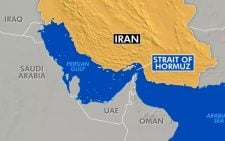
The fresh market anxiety came weeks after earlier ceasefire negotiations between Washington and Tehran collapsed, triggering renewed uncertainty over the Strait of Hormuz, one of the world’s most critical oil shipping routes.
Brent crude futures rose by Ksh307 per barrel to trade at about Ksh13,539, while US West Texas Intermediate gained nearly Ksh223 to hit around Ksh12,652 per barrel.
Despite the gains, both oil benchmarks were still headed for weekly losses after falling nearly two per cent on Thursday to their lowest levels in almost two weeks.
Peace talks hit fresh turbulence
You Might Also Like


A senior Iranian source told Reuters that no agreement had been reached between Tehran and Washington despite signs of progress in the negotiations.
US Secretary of State Marco Rubio, however, said there had been “some good signs” in the talks, although he warned that any toll system in the Strait of Hormuz would be unacceptable.

The latest developments have fuelled fears that instability in the Gulf region could continue affecting global fuel supplies and keep energy prices elevated.
“With the outlook for peace talks still uncertain, oil prices are rising on expectations that Middle East instability and supply disruptions linked to the Strait of Hormuz will persist,” Satoru Yoshida said, a commodity analyst with Rakuten Securities.
“WTI is likely to remain in a Ksh11,610–Ksh14,190 range next week, as it has largely done since late March,” he added.
Strait of Hormuz fears return
The renewed oil rally follows an earlier spike in April after talks between the US and Iran collapsed without a new deal.
At the time, President Donald Trump threatened to blockade Iranian ports, sparking fears that the global energy crisis could worsen.
Around 20 per cent of the world’s energy supplies previously passed through the Strait of Hormuz before the conflict escalated.
The ongoing disruptions have already removed nearly 14 million barrels of oil per day from the global market, including exports from Saudi Arabia, Iraq, Kuwait and the United Arab Emirates.
Analysts now warn that full oil flows through the Strait may not return before 2027, even if the conflict ends immediately.
OPEC+ countries are, meanwhile, expected to discuss a possible increase in July oil production during a meeting scheduled for June 7.
Author
Latest News








Advertisement
More on Business