Advertisement
Mbadi banks on own resource revenue to fill 1.1T budget deficit amid ballooning debt
Thursday 11th June, 2026 10:11 AM|
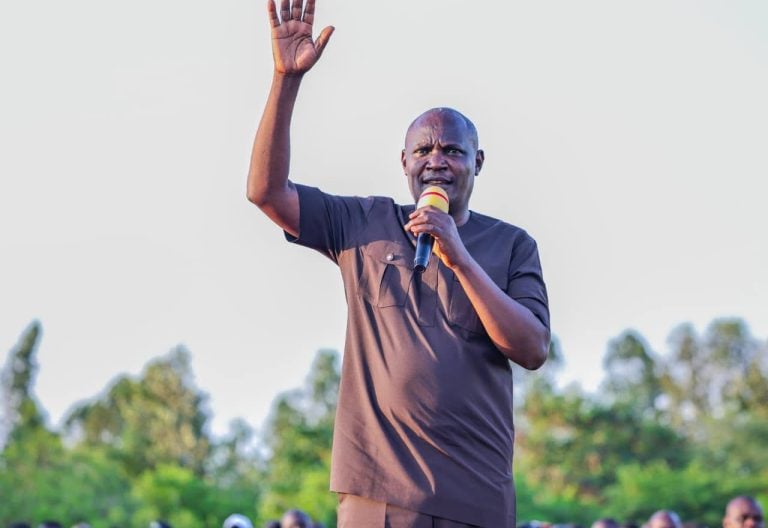
The National Treasury is betting heavily on enhanced domestic revenue collection to plug a projected Ksh1.1 trillion budget deficit, even as rising debt levels and tight global financing conditions limit borrowing options, Treasury Cabinet Secretary John Mbadi has revealed.
Speaking on Thursday, June 11, 2026, in an interview ahead of the national budget presentation in Parliament, Mbadi acknowledged the scale of the fiscal gap.
The Treasury boss said the government is turning inward, focusing on tax administration reforms and efficiency improvements at the Kenya Revenue Authority (KRA) to raise more from existing economic activity rather than relying solely on borrowing.
“There are still opportunities under revenue collection and domestic revenue mobilisation because we still believe that KRA is not performing optimally. Remember, there was a time when we were collecting about 18 per cent of GDP. Now it has come down to just slightly over 14 per cent,” he stated.
You Might Also Like


According to Mbadi, the decline in the tax-to-GDP ratio signals inefficiencies in collection systems and an urgent need to widen the tax base, especially in fast-growing informal and digital sectors.

“We must devise strategies for collecting taxes from businesses which have maybe moved more informal or more digital. That is why you see us talking about using intelligence to bring in people who actually are supposed to pay tax and are not paying,” the CS explained.
He defended the government’s push for stricter compliance, arguing that tax equity is essential for fiscal sustainability.
“Everyone who is supposed to pay tax, there should be no excuse at all. Those of us who are on the road, we pay taxes, and we have no choice,” he said.
However, Mbadi acknowledged political and public resistance to tax enforcement measures, noting that criticism often comes from compliant taxpayers rather than those outside the tax net.
On financing the deficit, the Treasury CS said Kenya remains constrained by both external and domestic borrowing challenges.
Borrowing challenges
“Deficit can only be financed through borrowing, both domestic and external,” he said, adding that global financial conditions are increasingly unfavourable.
“External borrowing is not very certain. We are not getting concessional loans easily because Kenya is now seen as a developing economy with the capacity to access commercial funding. But the macro environment globally is not good; high inflation, disruptions and shocks mean investors are asking for more money.”
He added that commercial borrowing has become more expensive, while domestic borrowing carries its own risks.
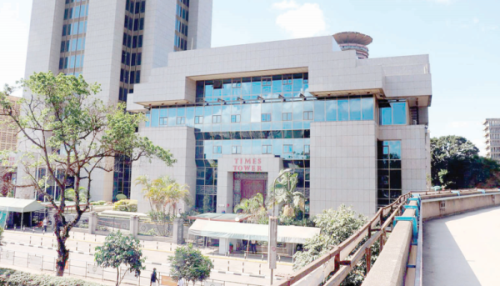
“When you come to domestic borrowing, you crowd out the private sector and interest rates start rising. So we are balancing these two,” he said.
The Treasury has projected about Ksh116 billion in external borrowing, with the remainder expected from domestic sources, though Mbadi hinted at ongoing negotiations with financial partners that could ease pressure on the local market.
“I will tell you, we are a bit lucky that our discussion with one bank is progressing well. If that happens, it will ease the domestic burden,” he said.
As Parliament prepares to debate the budget, attention is now turning to whether KRA reforms will deliver enough fiscal space or whether rising debt pressures will continue to define the country’s economic outlook.
Author
Latest News





Advertisement
More on Business