Advertisement
Inside govt’s proposals to reform KRA amid concerns over tax pilferage
Tuesday 03rd March, 2026 07:37 AM|

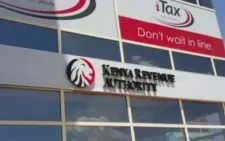
The government has unveiled sweeping proposals to reform the Kenya Revenue Authority (KRA) following growing concerns over tax pilferage, integrity gaps, and weak service delivery.
Lawmakers say the reforms are aimed at sealing revenue leaks, reducing human interference in tax processes, and restoring public trust in the tax agency.
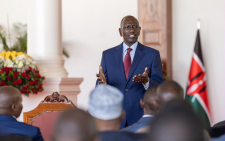
Speaking on Tuesday, March 3, 2026, during an interview on a local TV station, Alego Usonga, Member of Parliament (MP), Sam Atandi, who also chairs the National Assembly Budget and Appropriations Committee, said automation will be central to the reforms.
“One of the areas we have identified is that KRA is not fully automated. There is still too much human intervention in the process of tax collection,” Atandi said.
You Might Also Like


He noted that excessive manual processes have created loopholes that expose the system to manipulation and revenue loss.
“We are making proposals to fully automate the process of tax collection to ensure that even if there are cases where someone wants to interfere with the system, they really have no room,” he added.
Minimise human contact
The reform agenda comes amid concerns over integrity and governance challenges within KRA. According to Atandi, while cases of misconduct have been reported, mass dismissals are not a practical solution.
“We have noted that there are integrity and governance issues at KRA, but we cannot solve the problem by firing everybody,” he said.
Instead, Parliament is backing technology-driven systems that will limit face-to-face interactions between tax officials and taxpayers. Analysts say automation could improve efficiency, reduce corruption risks, and boost revenue collection.

Beyond sealing revenue leaks, the government is also looking inward at the welfare of KRA employees.
Atandi admitted that the terms of staff service have not been competitive.
“Over the years, the terms of service for employees have not been very good. Even things like medical care are not very good. We are pumping in resources to ensure that the people serving us in that area are well taken care of,” he said.
The Lawmaker believe better working conditions could improve morale and reduce vulnerability to corruption.

Broader public finance reforms
The KRA reforms are part of wider changes in public finance management. The Budget and Appropriations Committee is pushing for a shift to zero-based budgeting to curb wasteful spending.
“We have always said that we want a zero-based budgeting system. We do not want budgets that are incremental all the time,” Atandi said.
Under zero-based budgeting, every government department will be required to justify its expenditure from scratch each financial year rather than relying on previous allocations.
The committee is also reviewing pension reforms. Atandi warned that pensions could become a major public debt burden if not properly managed.
“Going forward, pension becomes a public debt. You find that there are many government agencies where you retire and there is no pension because of the manner in which the process has been conducted,” he said.
The proposed reforms signal a firm stance by Parliament to strengthen oversight, improve governance, and close corruption loopholes within KRA.
If implemented, the changes could transform tax administration, increase revenue collection, and ease pressure on taxpayers.
Author
Latest News




Advertisement
More on Business