Advertisement
Leaders raise concerns over county investment barriers
Friday 05th June, 2026 03:57 PM|
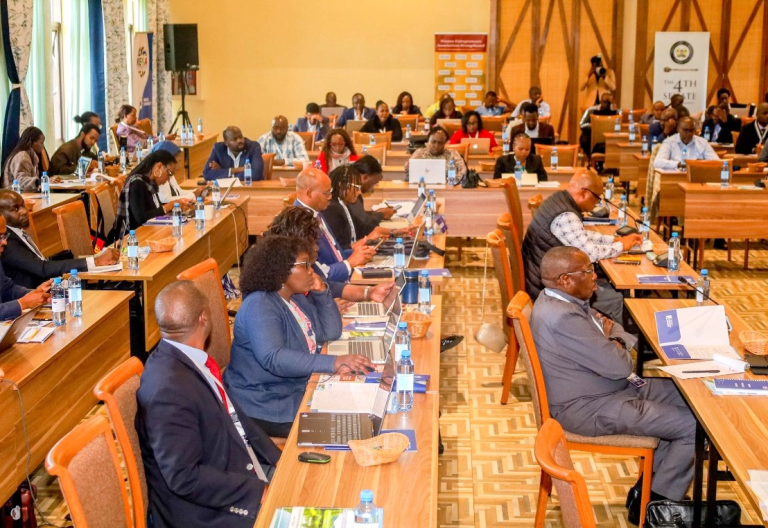
Persistent bureaucratic hurdles, multiple taxation, and regulatory inconsistencies are being cited as key obstacles to investment across Kenya’s counties, as lawmakers and private sector players push for reforms to improve the business environment.
A roundtable held in Naivasha by the Senate Liaison Committee and the Kenya Private Sector Alliance (KEPSA) highlighted both progress and challenges under devolution. While counties have expanded infrastructure and local economic activity, participants noted that structural inefficiencies continue to limit job creation and private sector growth.
“The Senate, Kenya Private Sector Alliance (KEPSA) have called for urgent reforms to improve county competitiveness, reduce bureaucratic barriers and create a more attractive environment for investment and job creation,” read the post in part.
Business leaders cite costs and regulatory delays
KEPSA Chairman James Mwangi said counties remain central to Kenya’s economic activity but warned that many are not fully leveraging opportunities in agriculture, manufacturing, tourism, mining, technology, and the green economy.
You Might Also Like

He said investors continue to face overlapping regulations, multiple levies, and administrative delays that increase the cost of doing business. Mwangi called for greater focus on implementing existing laws, adding that reforms must translate into improved service delivery and economic benefits at county level.
He also pointed to the need for stronger digital systems, improved cybersecurity frameworks, reliable infrastructure, affordable energy, and stronger agricultural value chains to support competitiveness and resilience.

Senate and partners push reform agenda
Senate Clerk Jeremiah Nyegenye, represented by Deputy Clerk Eunice Gichangi, said the Senate’s legislative agenda is focused on easing the cost of doing business, strengthening fiscal decentralisation, and supporting climate-resilient and digitally enabled county development.
He noted that earlier engagements with KEPSA had produced proposals including a prompt payment system for county government bills and legislation addressing multiple taxation challenges. Nyegenye said discussions were underway to establish a joint Senate-KEPSA working group to monitor implementation of agreed reforms.
Konrad-Adenauer-Stiftung (KAS) Programme Coordinator Victor Oteku said progress has been made in policy development, but implementation gaps remain in licensing, regulatory compliance, and ease of doing business.
Participants agreed that stronger collaboration between government, the private sector, and development partners will be necessary to reduce red tape, improve governance, and unlock county economic potential under devolution.
Author
Latest News








Advertisement
More on Business