Advertisement
Senate pushes infrastructure in Equalisation Fund review
Thursday 02nd July, 2026 05:22 PM|

The Senate Standing Committee on Finance and Budget has called for a shift in the implementation of the Equalisation Fund, urging that future allocations should prioritise large-scale infrastructure projects over small community initiatives as the Commission on Revenue Allocation (CRA) reviews Kenya’s marginalisation policy.
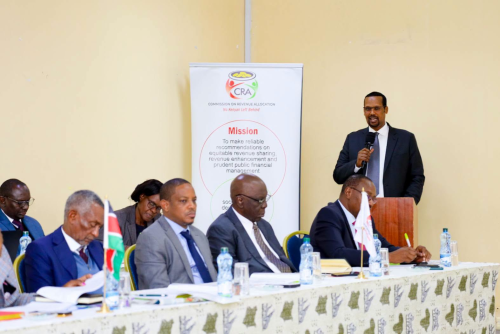
The call was made on Thursday, July 2, 2026, during a consultative meeting between the Senate committee, the CRA and the Equalisation Fund Advisory Board at the Kenya School of Government in Kabete, Kiambu County.
The forum reviewed the criteria used to identify and finance marginalised areas as the CRA develops the Third Marginalisation Policy, which seeks to address shortcomings in previous policies and ensure the Equalisation Fund delivers sustainable development in historically underserved regions.
CRA Chairperson CPA Mary Wanyonyi said the commission is constitutionally required under Article 216(4) to periodically review the policy on marginalisation.
You Might Also Like


She explained that the first policy, adopted in 2013, identified 14 marginalised counties using counties as the unit of analysis, while the second policy shifted to the sub-location level and relied on an index measuring deprivation based on access to safe drinking water, sanitation, electricity and school attendance.
“The ongoing review aims to build comprehensively on these foundational stages through broad-based public and political stakeholder consultations,” Wanyonyi said.
Deployment of the Equalisation Fund
Members of the Finance Committee, however, called for a sharp paradigm shift in how the Equalisation Fund is deployed, advocating strongly for heavy capital infrastructure over micro-projects.
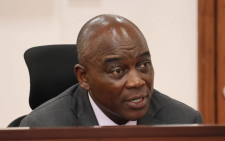
The Committee Chairperson, Mandera Senator Ali Roba, emphasised the need for investments that leave a permanent footprint, drawing a stark contrast between the visibility of the first two policy phases.
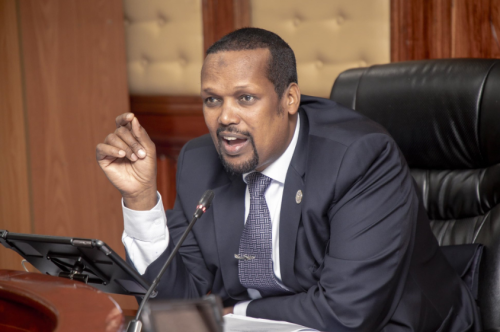
”The first policy was properly anchored, and the projects identified then are still visible. In Mandera, we built a medical training college hostel that is still in use today,” Senator Roba noted. “However, the second policy shifted the utilisation strategy toward minute, invisible projects that cannot outlive the test of time.”
Adopting execution models
The Committee cautioned against adopting execution models typically used by non-governmental organisations (NGOs), which spread funds too thinly across micro-activities.
They noted that spending minor allocations on short-term fixes fails to achieve the constitutional intent of reversing historical underdevelopment.
”The third policy must be deliberately structured to ensure that resource utilisation is properly addressed by investing in heavy capital projects that impact large populations within a given region,” Senator Roba added.
Lawmakers also raised concerns that some allocations under the second policy funded activities that did not reflect genuine indicators of marginalisation, including projects in relatively well-developed agricultural areas, instead of addressing critical needs such as access to healthcare, clean water and road infrastructure.
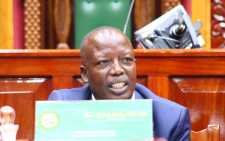
Equalisation Fund Chief Executive Officer Guyo Boru said establishing clear and defensible criteria for identifying beneficiary areas would be essential to ensure the prudent use of public resources.
He noted that significant funds are available under the Equalisation Fund and stressed the need to prevent resource wastage by ensuring allocations target the country’s most deserving communities.
Author
Emmanuel Rono
Rono is a digital journalist with a proven track record in newsroom leadership and content creation. Currently a Digital Writer for People Daily Digital, Emmanuel’s career is rooted in a lifelong passion for storytelling. Let's talk here: [email protected] or [email protected]
View all posts by Emmanuel RonoLatest News





Advertisement
More on News