Advertisement
Tinderet MP: New university funding model will eliminate bottlenecks
Tuesday 28th July, 2026 09:20 AM|
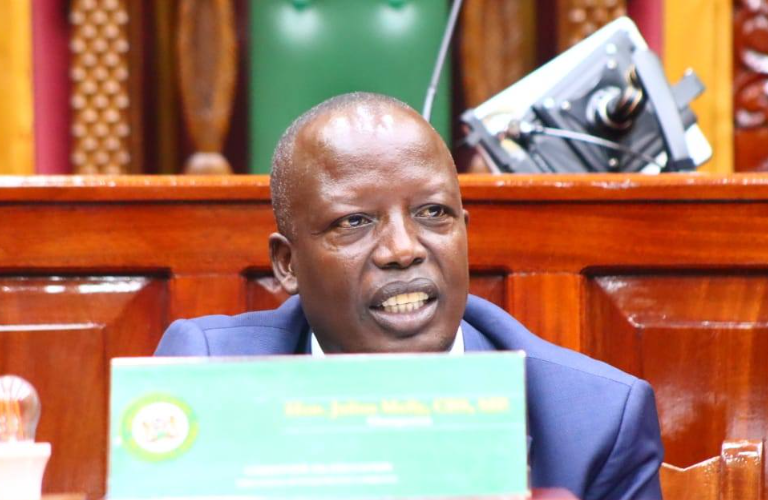
Tinderet Member of Parliament (MP) and National Assembly Education Committee Chairperson Julius Melly has defended the government’s proposed overhaul of university financing, saying the new funding model is designed to eliminate the challenges that have hindered equitable access to higher education.
Speaking during an interview with a local television station on Tuesday, July 28, 2026, Melly said the government is developing a simplified funding framework that will reduce loopholes associated with the current system.
“We are trying to make sure that we have a funding model that does not have a lot of bottlenecks,” Melly said.
Means testing under review
Melly said the current Student-Centred Funding Model was introduced to replace blanket subsidies by categorising students according to household income through means testing.
You Might Also Like



However, he argued that the system has not delivered as intended because some families provided inaccurate information to qualify for higher government support.
“The biggest elephant in that funding formula was the means testing. It failed completely because some families could misrepresent their financial status to receive more funding,” he said.
He revealed that the government now intends to fund every student joining university before recovering the money through student loans, eliminating the controversial funding bands.
Melly maintained that the real challenge facing universities has never been the funding formula itself but inadequate budgetary allocations.
He recalled that the Differentiated Unit Cost model introduced in 2014 allocated resources based on student numbers, programmes, staffing and institutional capacity but eventually left universities with huge debts after government funding dropped below 20 per cent of required allocations.
Funding debate continues
Melly’s remarks come months after President William Ruto defended the Student-Centred Funding Model, saying during his 2025 State of the Nation Address that nearly 500,000 students had benefited from the programme since its introduction.
The President said the reforms were intended to place learners at the centre of higher education financing through a combination of scholarships and loans based on need and merit.

However, the model has continued to attract criticism over its implementation, particularly the means-testing process used to place students into five funding bands.
A recent analysis of the model highlighted concerns over inaccurate household assessments, delayed disbursements, appeals by students who believe they were wrongly categorised and the growing reliance on student loans, which critics argue could increase the financial burden on graduates.
Despite the criticism, the government has maintained that reforms remain necessary to make university financing more equitable and financially sustainable.
Melly said the proposed changes seek to address those concerns by creating a funding model that is simpler, fairer and capable of supporting students without the administrative bottlenecks that have characterised the current system.
Author
Latest News







Advertisement
More on News