Advertisement
Kenya’s Sh900b education, roads budget faces deep cuts
Friday 18th July, 2025 03:40 AM|

Kenya’s education and roads budgets are likely to face significant scrutiny and rationalisation in the coming months following the imminent release of a high-stakes IMF Governance and Anti-Corruption Diagnostic report.
The report, expected in October, is part of broader efforts to strengthen public sector accountability and eliminate waste in a country where public debt and inefficiency have raised concerns.
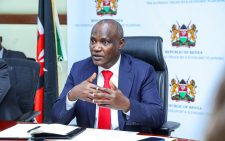
According to Treasury Cabinet Secretary John Mbadi, the government has flagged key areas of spending, including the education, health and infrastructure sectors, which together consume nearly a trillion shillings annually.
“We feel education, which is taking the largest chunk of our budget, needs to be looked into. We spend about Sh400 billion on paying our teachers,” he said on Wednesday. “Are we paying capitation for students that exist or just students on paper?”
You Might Also Like
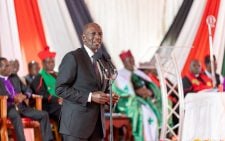
The education sector currently accounts for more than Sh700 billion annually, a massive allocation that includes salaries for teachers, construction of classrooms, exam management, and capitation grants for learners in public schools.
While the government has long defended these costs as necessary to support its free primary and secondary education policies, concerns are emerging that inefficiencies and possible fraud may be embedded within the system.
Mbadi’s remarks suggest the Treasury is now questioning the effectiveness and accuracy of these allocations, particularly in light of Kenya’s fiscal challenges and IMF-backed reforms. The government is said to have shared its own observations with IMF teams during their recent visits to Nairobi.
“These are suggestions that we shared with them because we are the ones who understand our systems better,” he said.
In the roads sector, which receives over Sh200 billion annually, the Treasury is also likely to examine whether the cost of road construction and maintenance matches the output on the ground.
Over the past decade, Kenya has aggressively expanded its road network, but watchdog reports have consistently flagged cost overruns, incomplete projects, and suspicious procurement patterns in agencies like the Kenya National Highways Authority (KeNHA) and Kenya Rural Roads Authority (KeRRA).
Public sector
The IMF’s Governance Diagnostic reports are detailed assessments designed to identify weaknesses in public sector governance and provide a roadmap for reform. In other countries, similar reports have led to major overhauls in budgeting practices, anti-corruption frameworks, and procurement systems.
The findings of the Kenya report could carry substantial implications for future budget planning and aid disbursements. Kenya is currently under a multi-year IMF programme, receiving concessional loans that are conditional on reforms aimed at improving fiscal discipline and fighting corruption.
Mbadi said the government will decide in October whether or not to make the full IMF report public, once it has been submitted.“The government of Kenya will decide whether to publish the report or not when it comes out in October,” he said. However, given the heightened pressure for transparency and the precedent set by other African nations such as Ghana and Senegal, analysts expect the government may have little choice but to release the findings especially if they are tied to future IMF disbursements.
In recent months, Treasury officials have signalled a growing willingness to challenge entrenched spending patterns and reallocate resources toward more productive uses.
President William Ruto’s administration has also come under pressure from civil society and parliament to show stronger commitment to curbing corruption and improving value-for-money in public services.
With debt repayments taking up a third of the national budget, and external borrowing space shrinking, the government is being forced to look inward at its own spending habits.
Author
John Otini
View all posts by John OtiniLatest News


Advertisement
More on Business