Advertisement
Inside govt’s plan to cut debt by offloading mega projects to private sector
Monday 22nd December, 2025 09:51 AM|

The government is planning to hand over several costly infrastructure projects to the private sector as part of efforts to reduce public debt and ease pressure on the budget.
This move is part of a broader strategy to shift from loan-financed development to public-private partnerships (PPPs), where private companies fund and manage large projects.
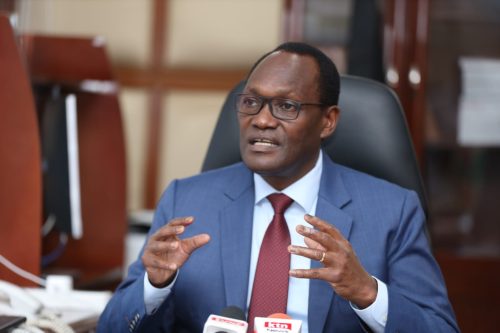
In an interview on a local TV station on Sunday, December 21, 2025, Treasury Principal Secretary Chris Kiptoo said the government wants to bring in private capital to fund major infrastructure works that have traditionally relied on borrowing.
“We are looking at ways to bring in private sector investment in some of these big projects so that we don’t have to borrow,” Kiptoo said.
You Might Also Like


Kenya’s public debt has been rising steadily, raising concerns about fiscal sustainability. By involving private players, the government hopes to complete key projects without adding to the debt stock.
Kiptoo added that PPPs would allow the government to tap into private sector expertise and financing. He said this approach would cover projects in transport, energy, water, and housing.
“Right now, we have a huge portfolio of nearly Ksh13 trillion that’s being developed for PPPs in infrastructure. Ksh13 trillion is a huge portfolio,” the PS noted during the launch of the Kenya National Spatial Plan (2015-2045) extension report in Nairobi on Thursday, December 18, 2025.
In early 2025, the Treasury revealed that projects worth Ksh13 trillion could be financed through PPPs.
The PS said the government is working to create an environment that encourages private investment. This includes simplifying regulations and offering incentives for private players.

Concerns over privatisation
Shifting to PPPs is also expected to boost efficiency in project implementation, as private companies are often faster and more effective than public agencies.
However, concerns have been raised by stakeholders urging the government to carefully structure the PPP to avoid hidden costs for the government, as past arrangements have sometimes led to liabilities when projects failed or needed government bailouts.
The government has already identified flagship projects that could be handed over to the private sector, including roads, railways, airports, and power plants.
The National Spatial Plan extension, which guides sustainable development up to 2045, is a key tool in this strategy. Kiptoo said clear spatial planning is crucial for attracting private investors.
“By providing clear guidelines on land use and development, the plan will reduce risks for investors,” he said. He also emphasised that county governments must align their plans with the national spatial plan to ensure coordinated development across the country.
Author
Latest News








Advertisement
More on Business