Advertisement
Finance Bill 2026: Mbadi defends govt’s personal income proposals amid PAYE taxes uproar
Monday 11th May, 2026 02:09 PM|

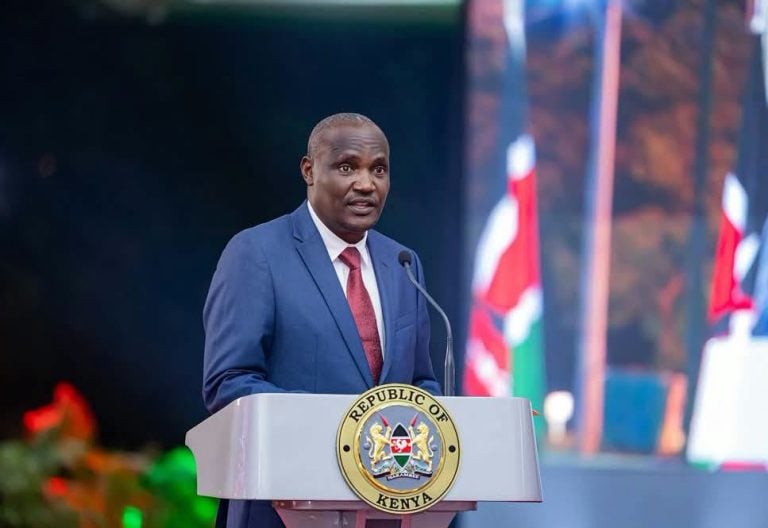
Treasury Cabinet Secretary John Mbadi has defended the government’s proposed personal income tax reforms under the Finance Bill 2026 amid growing criticism over the absence of immediate Pay As You Earn (PAYE) relief measures for salaried workers.
Speaking during a press briefing on Monday, May 11, 2026, Mbadi said the National Treasury was still considering amendments that would cushion low-income earners from high PAYE deductions, even as the government grapples with revenue pressures and global economic uncertainties.
“We are looking at the impact of that war already. We have reduced VAT on petroleum products. We don’t know for how long, so that is something we must factor in our revenue projections,” Mbadi said.

The Treasury boss explained that the government had initiated reforms at the Kenya Revenue Authority (KRA) aimed at broadening the personal income tax base to offset potential revenue losses from proposed PAYE adjustments.
You Might Also Like



“We wanted the personal income tax base to increase, and then that would help us compensate for the loss in this Pay As You Earn,” he stated.
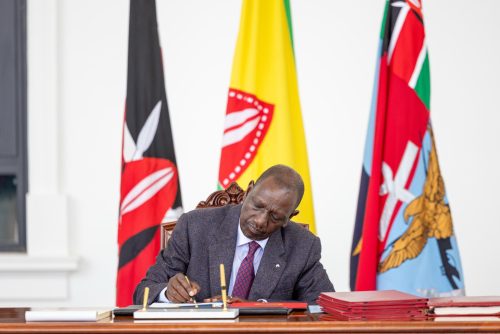
Mbadi disclosed that discussions with President William Ruto had resulted in a decision to push for the amendments within the Finance Bill 2026 instead of waiting for separate tax amendment legislation later in the year.
“We have agreed with the Head of State that this is an amendment that we carry, even regardless of our revenue, because we feel it is important for the economy,” Mbadi said.
Jitters over income tax
His remarks come days after the Finance Bill 2026 triggered backlash from workers, professionals and tax analysts who expected immediate reforms to lower PAYE deductions, particularly for low-income earners.
Among the sharpest critics was former Law Society of Kenya (LSK) President Faith Odhiambo, who accused the government of failing to honour earlier promises to restructure tax bands and ease pressure on salaried Kenyans.
“On PAYE, Kenyans were led to expect relief and a restructuring of the tax bands to ease the burden on salaried workers. That proposal does not appear in this Bill,” Odhiambo said in a statement issued on Friday, May 8, 2026.
“That is not a minor omission. An explanation is owed to every employed Kenyan who was waiting for it.”

The criticism stems from commitments Mbadi made earlier this year when he proposed exempting Kenyans earning below Ksh30,000 per month from PAYE tax, up from the current threshold of Ksh24,000.
Speaking in February 2026, Mbadi said the government intended to table the reforms before Parliament ahead of the publication of the Finance Bill 2026.
“We have agreed with the President that low-income earners in this country should be given a reprieve. He has directed me to take it to Parliament,” Mbadi said at the time.
“Anybody earning Ksh30,000 and below in Kenya should not pay PAYE. You pay zero.
However, the omission of the proposal from the published Finance Bill sparked concerns that the Treasury may have abandoned the plan amid pressure to maintain revenue collection targets.

During Monday’s briefing, Mbadi insisted the government was still analysing tax data from the Kenya Revenue Authority before making a final decision.
“We were doing simulations, assessing and looking at the records from Kenya Revenue Authority. Remember, KRA told us that the impact of personal income tax reforms would be realised in March, April and May,” he said.
“So we are trying to look at those figures just to see the final impact. But I will tell you that consideration is being made to include this adjustment in this Bill, not Tax Laws Amendment,” he added.
Beyond PAYE concerns, the Finance Bill 2026 has also attracted criticism over several other proposals, including an increase in residential rental income tax from 7.5 per cent to 10 per cent and a proposed 25 per cent excise duty on mobile phones.
Odhiambo argued that mobile phones are no longer luxury products but essential tools for communication, banking and business operations, warning that higher taxes could increase the cost of living for ordinary Kenyans.
Author
Latest News







Advertisement
More on Business