Advertisement
EPRA reports fuel supply disruptions in Nairobi and Machakos
Friday 10th April, 2026 10:30 PM|

The Energy and Petroleum Regulatory Authority (EPRA) has confirmed a fuel shortage in Nairobi and Machakos after visiting various petrol stations on Friday. April 10, 2026.
According to the agency, many depots are facing long queues for fuel, further exacerbating the situation that has gotten dire in various parts of the country.
On Wednesday, April 8, 2026, petrol station operators in Nairobi warned that their current stocks would last only a few more days, raising fears of an imminent crisis in the capital.
Retailers say deliveries have slowed, leaving them unable to meet growing demand as anxious motorists rush to fill their tanks amid fears of running dry.
You Might Also Like

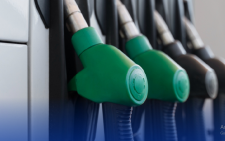
EPRA confirmed the situation, saying the long queues have been sparked by panic buying at fuel stations in some parts of the capital.
“Our Surveillance and Enforcement team from the Nairobi region conducted inspections at various petrol stations in Nairobi and Machakos counties to check compliance and confirm fuel availability,” EPRA said.
“While most stations had fuel, a few were out of stock but indicated they were awaiting resupply.”
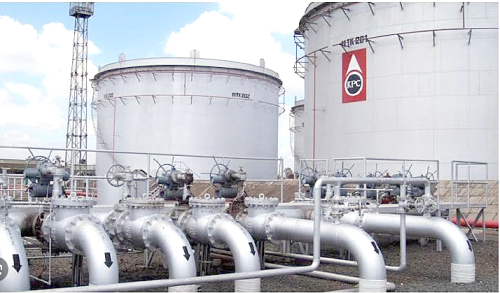
In the capital, both the National Oil Nairobi National Terminal and the Kenya Pipeline Company Nairobi Terminal are located in the Industrial Area, with the KPC facility serving as the primary inland distribution artery linked directly to the Port of Mombasa.
According to EPRA, both depots are currently experiencing delays due to long queues as stations rush to replenish their stocks.
Critically, however, the regulator noted that “No station reported a lack of fuel supply at the depots”, a distinction it says separates a distribution bottleneck from an actual supply crisis.
Last week, sections of motorists reported challenges finding fuel at various petrol stations in Nairobi, with some saying they are being charged Ksh200 per litre of petrol where fuel can be found.

Fuel hoarding
Meanwhile, EPRA has intensified action against oil marketing companies claimed of creating artificial fuel shortages and driving up prices, despite the country maintaining sufficient petroleum reserves.
In a directive issued on Wednesday, April 8, 2026, EPRA revealed it had received complaints that certain marketers were intentionally withholding fuel and limiting supply to independent retailers, seemingly in anticipation of a price hike.
The regulator noted that preliminary investigations had established that certain Oil Marketing Companies (OMC) were withholding sales to non-franchised dealers, a move it termed unlawful and punishable under the Petroleum Act.
EPRA further revealed that some firms were also charging ex-depot or wholesale prices above the set regulatory caps, compounding the crisis being experienced across the country.
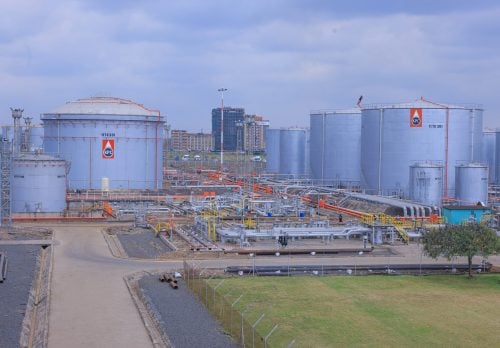
“This practice is tantamount to hoarding and is an offence under Section 99(1)(k) of the Petroleum Act No. 2 of 2019 (Cap 308). Further, EPRA has found out that a number of OMCS are charging ex-depot or wholesale prices higher than the recommended caps, which is also an offence under Section 99 (1)(n) of the Petroleum Act,” read part of the letter signed by EPRA acting DG Engineer Joseph Oketch.
The authority warned that companies found guilty of hoarding petroleum products risk fines of at least Ksh1 million, imprisonment for a minimum of one year, or both.
Additionally, those found selling fuel above the recommended wholesale prices face stiffer penalties, including fines of no less than Ksh10 million or jail terms of up to five years.
EPRA cautioned that it would not hesitate to revoke the operational licences of companies found engaging in unlawful practices, signalling a tough regulatory stance.
The crackdown comes at a time when motorists across the country are grappling with a worsening fuel shortage, with long queues forming at petrol stations amid dwindling supplies.
Author
Latest News







Advertisement
More on Business