Advertisement
Basic food items whose prices increased in March as inflation hit 4.4%
Tuesday 31st March, 2026 04:09 PM|

Kenya’s annual inflation stood at 4.4 per cent in March 2026. The Kenya National Bureau of Statistics (KNBS) released the latest Consumer Price Index (CPI) and Inflation Report on March 31, 2026.
This figure means the general price level rose 4.4 per cent compared with March 2025. The CPI index moved from 149.20 in February 2026 to 150.00 in March 2026. That shift produced a monthly inflation rate of 0.5 per cent.
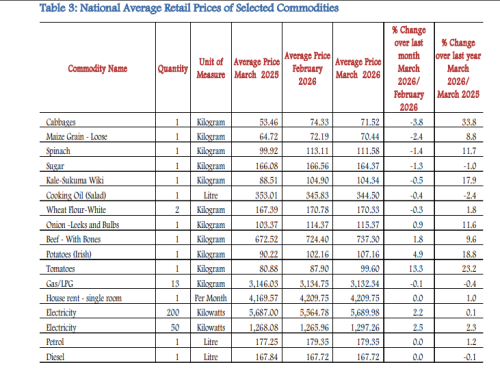
Food and non-alcoholic beverages drove much of the rise, with prices up 7.7 per cent over the year. Transport followed at 3.8 per cent, and housing, water, electricity, gas and other fuels increased 2.0 per cent.
These three divisions carry over 57 per cent of the total weight in the basket of goods and services that KNBS tracks. KNBS Director General Macdonald Obudho noted the data comes from a monthly survey of retail prices across 50 urban zones in the second and third weeks of each month.
Changes in basic food items prices
You Might Also Like

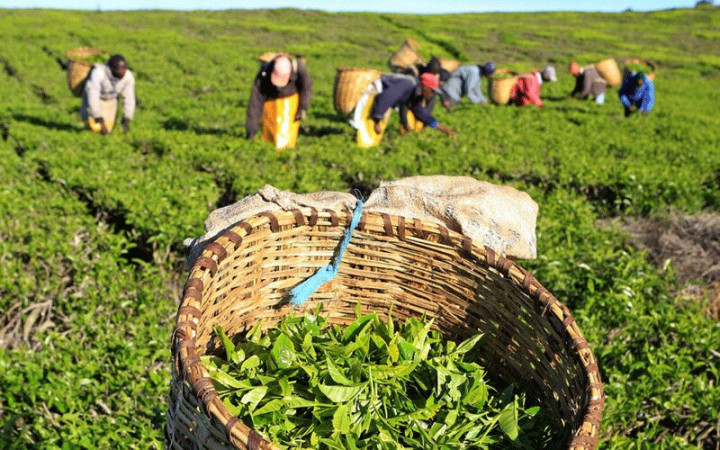
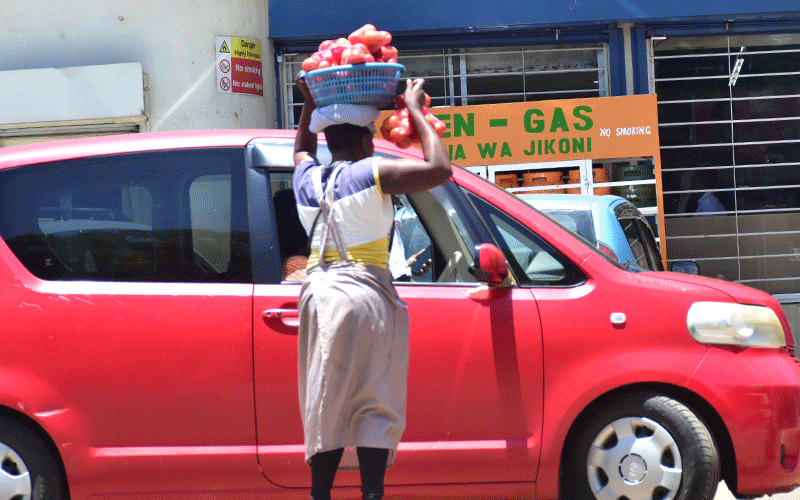
The base period for the current CPI remains February 2019. Food prices showed mixed movements month to month.
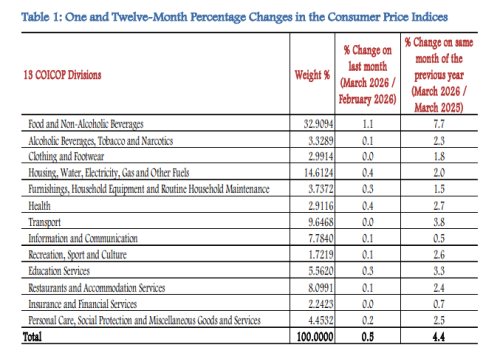
Between February and March 2026, tomatoes jumped 13.3 per cent, and beef with bones rose 1.8 per cent. Yet sugar fell 1.3 per cent, maize grain (loose) dropped 2.4 per cent, and cabbage declined 3.8 per cent. Over the full year, potatoes (Irish) increased 18.8 per cent, tomatoes 23.2 per cent, and sukuma wiki 17.9 per cent.
Cooking oil and sugar recorded small yearly declines. Transport costs stayed stable in the short term. Petrol held at Ksh179.35 per litre and diesel at Ksh167.72. Electricity prices rose, however.
The cost for 50 kWh increased 2.5 per cent and for 200 kWh by 2.2 per cent. Gas/LPG (13 kg) edged down 0.1 per cent. House rent for a single room did not change.
Core inflation, which strips out volatile items such as fresh food and fuel, stood at 2.1 per cent in March 2026. Non-core inflation reached 10.8 per cent. Core contributed 2.5 percentage points to overall inflation, while non-core added 1.8 points.
Food costs drive inflation
Food and non-alcoholic beverages alone accounted for 2.2 points of the total 4.4 per cent. Other divisions recorded modest yearly rises. Health went up 2.7 per cent, education services 3.3 per cent, and restaurants and accommodation services 2.4 per cent.
Information and communication showed the smallest increase at 0.5 per cent. The report highlights how food remains the biggest pressure point for Kenyan households.
“The price increase was primarily driven by a rise in prices of items in the Food and Non-Alcoholic Beverages (7.7 per cent), Transport (3.8 per cent), and Housing, Water, Electricity, Gas and other fuels (2.0 per cent),” the KNBS document states.
Food carries the heaviest weight in the CPI at nearly 33 per cent. Any sustained rise hits lower-income families hardest. The monthly drop in some staples such as maize and cabbages offered minor relief, yet the yearly climb in vegetables and proteins kept overall food inflation high.
Electricity costs added further strain for many homes and businesses. The small fall in gas prices brought limited comfort. Transport stability helped contain costs for commuters and goods movement, but the yearly rise still fed into higher prices for many items.
Overall, inflation stayed moderate compared with peaks in previous years. The 4.4 per cent rate sits near the Central Bank of Kenya’s target range. Policymakers will monitor the next few months for signs of fresh pressure from food supply or energy costs.
Author
Kenneth Mwenda
Kenneth Mwenda is a business, sports, and politics digital writer with over seven years of experience in journalism, covering breaking news, feature stories, and in-depth analysis across a range of beats.
For inquiries, he can be reached at [email protected]
View all posts by Kenneth MwendaLatest News








Advertisement
More on Business