Advertisement
Uganda signals full troop withdrawal from Somalia after 19 years
Monday 26th January, 2026 09:07 PM|
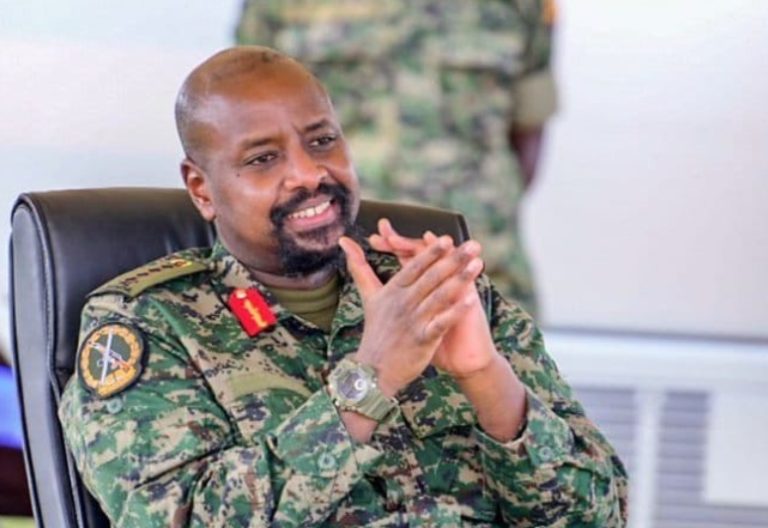
Uganda has signalled that it is preparing to end its long military mission in Somalia after nearly two decades.
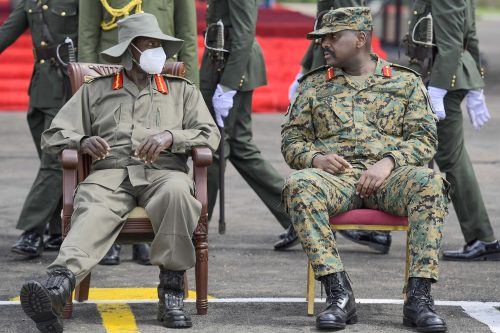
Uganda’s Chief of Defence Forces, General Muhoozi Kainerugaba, said on Monday, January 26, 2026, that the country intends to withdraw all its troops from Somalia very soon. He made the announcement in a post on X, formerly Twitter, without giving a timeline or operational details.
“After 19 years in Somalia. We intend to completely withdraw from that country very soon,” the X post read.
Uganda first deployed soldiers to Somalia in 2007 under the African Union Mission in Somalia (AMISOM). The mission aimed to support the Somali government in its fight against the Islamist group Al-Shabaab. At its peak, Uganda had up to 6,000 troops on the ground, making it one of the largest contributors.
You Might Also Like
Ugandan forces played a central role in securing key installations in Mogadishu, including the airport and seaport. They led major operations against Al-Shabaab and helped train Somali security forces. Over the years, Uganda became the backbone of the African Union effort in the country.
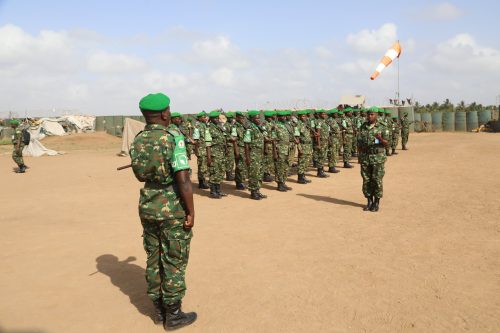
In 2022, AMISOM transitioned into the African Union Transition Mission in Somalia (ATMIS). The new mandate focused on gradually handing over security responsibilities to Somali forces. ATMIS began phased troop withdrawals in 2023, with plans to end the mission by late 2024.
Those plans stalled due to delays and funding shortfalls. In response, the African Union launched a successor force, the African Union Support and Stabilization Mission in Somalia (AUSSOM), in 2025. Uganda continued to participate, though at reduced strength.
Kainerugaba’s latest statement goes further than previous drawdown plans, as it signals a full exit by Uganda. The Ugandan People’s Defence Forces (UPDF) has not issued an official statement, raising questions about whether the announcement reflects formal government policy.
Kainerugaba, who is the son of President Yoweri Museveni, often makes strong policy comments on social media. He had already called for a complete withdrawal in 2025.
Funding strains and security risks
Funding problems appear to be a major factor behind the move. Talks over funding for AUSSOM have dragged on since 2023. The African Union estimates the mission will need Ksh25 billion in 2025, largely to pay monthly stipends of Ksh129,000 per soldier to troop-contributing countries.
The European Union has traditionally funded most of these costs, but in 2022 it indicated it would sharply scale back its support, citing a shift towards European security priorities and doubts about the mission’s effectiveness.
The United States stopped funding over concerns about burden sharing. In late September 2025, United States President Donald Trump openly questioned his country’s long-standing military operations in Somalia. Trump said it was not the military’s job to defend foreign nations while America faced what he described as an “invasion from within.”
As a result, troop allowances have gone unpaid. President Museveni has also criticised Somali leaders for political divisions that he says have slowed progress against Al-Shabaab.
Uganda’s withdrawal could have serious security implications. Somali forces have taken over some former ATMIS bases, but Al-Shabaab remains active. The group continues to carry out attacks and has retaken several towns. Gaps could emerge if other troop-contributing countries, such as Burundi or Kenya, also decide to leave.
Author
Kenneth Mwenda
Kenneth Mwenda is a business, sports, and politics digital writer with over seven years of experience in journalism, covering breaking news, feature stories, and in-depth analysis across a range of beats.
For inquiries, he can be reached at [email protected]
View all posts by Kenneth MwendaLatest News



Advertisement
More on News