Advertisement
Sossion calls for unity between parents and teachers in child upbringing
Tuesday 02nd June, 2026 08:38 AM|

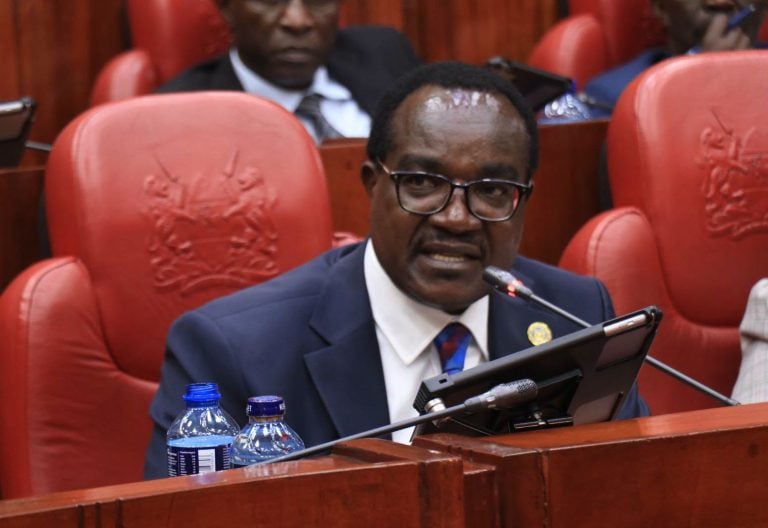
Former Nominated Member of Parliament (MP) Wilson Sossion has called for stronger collaboration between parents, teachers, and society in the upbringing and education of children.
Speaking on Tuesday, June 2, 2026, during a televised interview with a local media station, Sossin argued that no single group can shoulder the responsibility alone.
He reflected on the broader role of the education ecosystem in shaping learners’ academic and social development.
The former Kenya National Union of Teachers (KNUT) Secretary General stressed that child development is a collective effort involving multiple actors beyond the household.
You Might Also Like



“In the entire education ecosystem, all actors are critical. Parents should work as a team with teachers. A child is raised by society, not by an individual,” Sossion said.
He emphasised that children spend a significant portion of their formative years under the supervision of teachers and within the broader social environment, making schools a central pillar in shaping their character and future.
Teachers spend majority of time with learners
Sossion noted that in Kenya, learners spend most of their daily time in school, where teachers play a key role not only in academic instruction but also in mentoring and discipline.
“Three-quarters of a child’s time in Kenya is spent with teachers in school and with society,” he observed, highlighting the importance of strengthening trust and cooperation between homes and schools.
He argued that breakdowns in communication between parents and teachers often undermine efforts to improve learning outcomes and discipline among students.

School fires
Sossion also attributed the recurring cases of school dormitory fires in Kenya to systemic neglect, overcrowding in learning institutions, and weak enforcement of existing safety regulations.
He noted that school fires have persisted over time, with particularly intense outbreaks in the mid-2010s, when several boarding schools across the country experienced repeated nighttime dormitory fires.
He recalled that during that period, educators often described the situation as a “fire festival”, as incidents appeared to occur almost simultaneously in different institutions.
His remarks come in the wake of the recent Utumishi Girls Academy fire tragedy, which claimed 16 lives and left several others injured, reigniting national debate on boarding school safety, compliance, and enforcement of regulations.
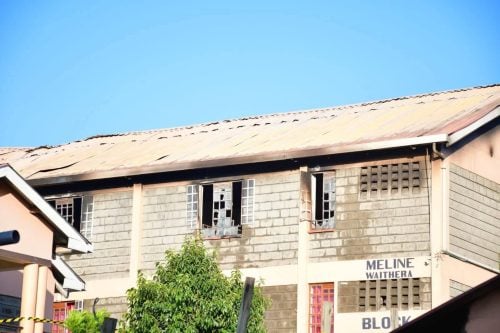
Sossion questioned whether relevant authorities had conducted timely inspections and follow-ups in schools before such incidents.
“If we pick Utumishi Girls’ Academy, we will ask questions: When was the school last supervised? When did quality assurance inspect that dormitory, and what recommendations did they give?” he posed.
Author
Mustafa Juma
View all posts by Mustafa JumaLatest News








Advertisement
More on News