Advertisement
Principals petition govt to review school funding formula
Saturday 27th June, 2026 04:10 PM|
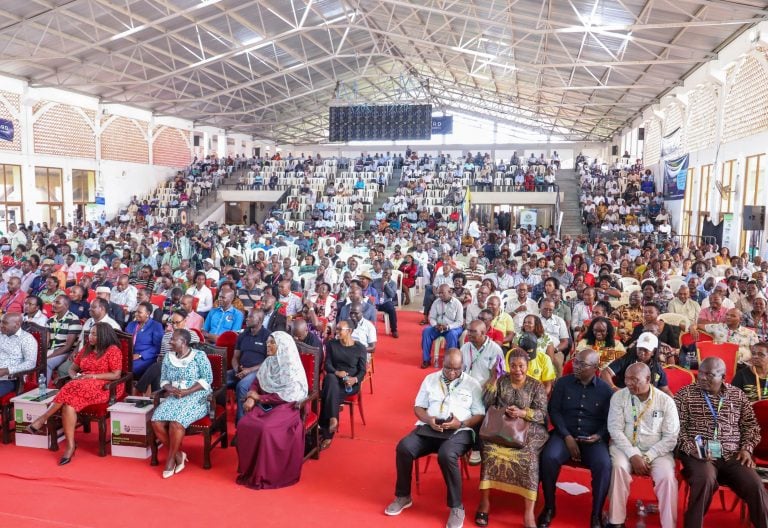
Secondary school principals in Kenya have stepped up pressure on the government to review the student unit cost and school fee structures. They say the current funding model no longer reflects rising inflation, delayed capitation, and the real cost of running secondary schools.
They warn that learning quality is under strain as schools struggle to balance budgets.
The Kenya Secondary Schools Heads Association raised the issue during its annual conference in Mombasa on Saturday, June 27, 2026. The principals asked the Ministry of Education and Basic Education Principal Secretary John Ololtua to overhaul the 2015 funding formula and introduce a system that matches actual daily costs per learner.
They said the model should include tuition, food, accommodation, learning materials, and school operations. Abdi Noor said the association will push the government to act urgently.
You Might Also Like
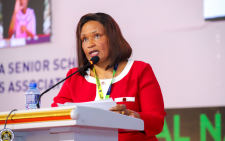


“The conference resolved to petition the government to urgently review the current student unit cost to reflect prevailing inflationary pressures and the actual cost of delivering quality education,” he said.
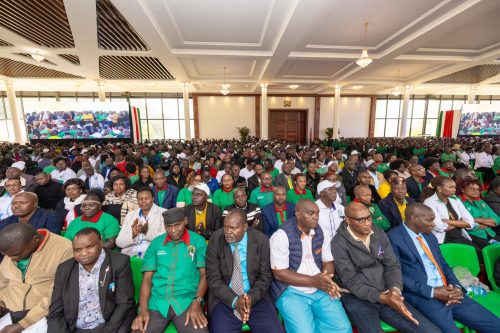
Rising costs strain Schools
Principals argue that boarding schools face the heaviest burden. They estimate that food alone costs about Ksh247 per student each day. This includes Ksh36 for breakfast, Ksh24 for tea, Ksh52 for lunch, and Ksh135 for supper. Over a year, food costs reach about Ksh61,000 per learner, leaving schools with large funding gaps that parents often have to cover.
The association also wants co-curricular activities funded separately to ease pressure on school budgets. Willie Mwangi Kuria said the current fee structure is outdated.
“The current secondary school fee was set in 2015, eleven years ago. Those are many years and it is not possible to run a school with that figure,” he said.
Schools also report delays in government capitation. Some institutions received only 35 per cent of first-term funds and 21.8 per cent in the second term. Principals say the delays disrupt operations and force them to cut essential services or rely on parents for extra support.
KESSHA says it will continue engaging the government on education funding reform while promoting better financial management in schools. The principals insist that without urgent changes, secondary schools will continue to face shortages that affect learning outcomes across Kenya.
Author
Kenneth Mwenda
Kenneth Mwenda is a business, sports, and politics digital writer with over seven years of experience in journalism, covering breaking news, feature stories, and in-depth analysis across a range of beats.
For inquiries, he can be reached at [email protected]
View all posts by Kenneth MwendaLatest News








Advertisement
More on News