Senator Wafula calls for policy shift as Africa grapples with methane emissions
By Emmanuel Rono, May 17, 2026Senate Majority Whip David Wakoli Wafula has urged African parliamentarians to treat the closing communique of the Inter-Parliamentary Union (IPU) Regional Seminar not as a ceremonial document but as a working roadmap for cutting methane emissions across the continent.
Speaking on Saturday, May 16, 2026 while delivering the closing address at the three-day seminar themed “African Parliaments for Climate Action: Reducing Methane, Promoting Development,” Wafula said the deliberations had been both timely and transformative.
Wafula described methane as a potent greenhouse gas with a significant short-term warming impact, and singled out its reduction as a rare chance for swift climate gains.
“The seminar had examined the science and policy of climate change and assessed emissions across agriculture, waste, and energy systems, while exploring pathways to jobs, cleaner energy and more productive farming,” Wafula noted.
Opportunities discussed
The discussions also focused on opportunities for job creation, cleaner energy and increased agricultural productivity.
The Senator called on participating parliaments to ensure the communique is backed by strong mechanisms for domestication, budgeting, monitoring and implementation. He added that the recommendations should align with each country’s Nationally Determined Contributions (NDCs) under international climate agreements.
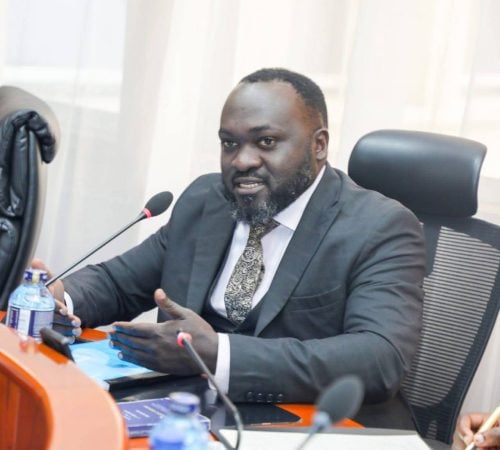
According to Wafula, reducing methane emissions should be viewed as a development opportunity rather than a burden, arguing that decisive action would support stronger economies, cleaner energy systems, healthier communities and sustainable livelihoods.
“No parliament acts alone,” he said, noting that the exchange of legislative experience, committee practices and institutional innovations among African delegations would outlast the meeting.
Speaker Kingi on emmision
Speaker of the Senate Amason Kingi has also described methane as a short-lived but potent climate pollutant, citing scientific evidence that it is over 80 times more potent than carbon dioxide over 20 years.
According to Kingi, cutting it is among the fastest ways to slow near-term warming while also tackling ground-level ozone, which harms human health and depresses crop yields.
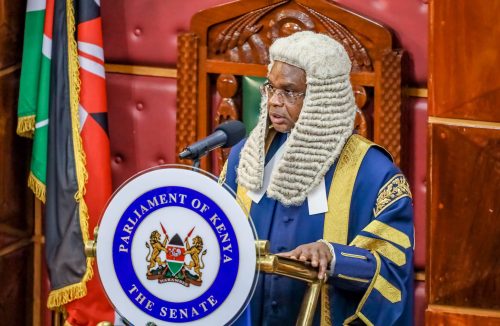
The Speaker noted that between 55 and 65 per cent of Kenya’s methane emissions come from livestock production, according to data from the Food and Agriculture Organization (FAO). Other contributors include waste management, manure handling, and rice cultivation.
“Citing FAO data, the Speaker noted that roughly 55 to 65 per cent of Kenya’s methane emissions originate from livestock, with smaller shares from waste, manure, and rice cultivation. He urged investment in improved animal feeds, better breeds, biogas, landfill gas capture, and water-saving rice practices, arguing these measures could cut emissions while boosting incomes, energy access, and jobs,” statement by Parliament of Kenya read.