Ruto sets goal to empower 600,000 Kenyans through reserved contract training
By Kiprono Keileb, January 8, 2026President William Ruto has announced a major initiative to empower young people, women, and persons with disabilities to participate in government procurement, aiming to expand access to opportunities across the country.
In a statement shared on X on Thursday, January 8, 2026, President Ruto said the initiative will train a large number of participants to benefit from reserved contracts.
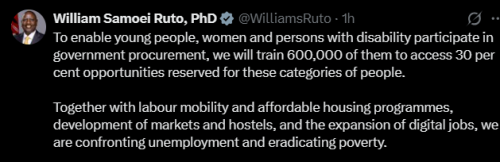
“To enable young people, women and persons with disability participate in government procurement, we will train 600,000 of them to access 30 per cent of the opportunities reserved for these categories of people,” he stated.
Ruto outlined that the plan forms part of a broader strategy to tackle unemployment and poverty, including affordable housing, labour mobility, and digital job expansion.
“Together with labour mobility and affordable housing programmes, development of markets and hostels, and the expansion of digital jobs, we are confronting unemployment and eradicating poverty,” the president wrote.
The president also shared details on a complementary program aimed at practical skills transfer, which will provide young people with hands-on work experience under master craftsmen and women.
“At the same time, we will support another 90,000 young people to undergo on-the-job training. They will be attached to master craftsmen and women for skills transfer, and receive a KSh6,000 stipend a month for six months. The master craftsmen will also be paid as the government also meets the cost of certification,” he wrote.
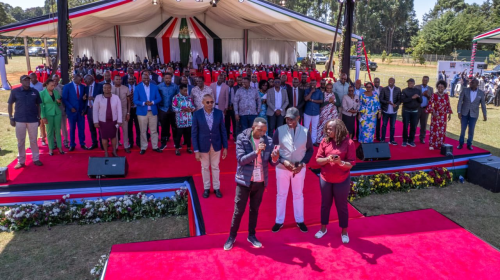
Ruto delivered the statement while presiding over the disbursement of business startup capital under the Nyota North Rift Cluster initiative in Eldoret, Uasin Gishu County, highlighting his administration’s continued focus on youth economic empowerment.
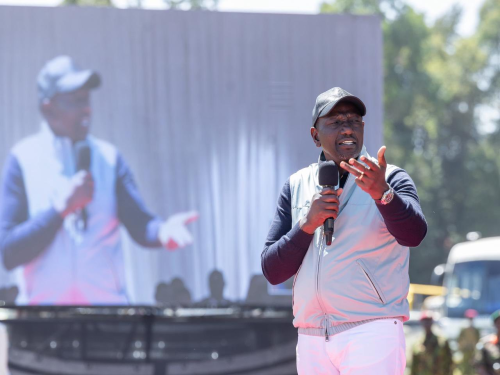
“Presided over the disbursement of the Nyota North Rift Cluster Business Start Up Capital, Eldoret, Uasin Gishu County,” he stated
The program, combining training, financial support, and hands-on mentorship, is expected to create a generation of skilled, economically independent Kenyans capable of engaging in state and private-sector opportunities, strengthening the nation’s workforce while reducing dependence on informal employment.