Advertisement
Raila: We are a better nation because Saba Saba happened
Monday 07th July, 2025 05:48 PM|
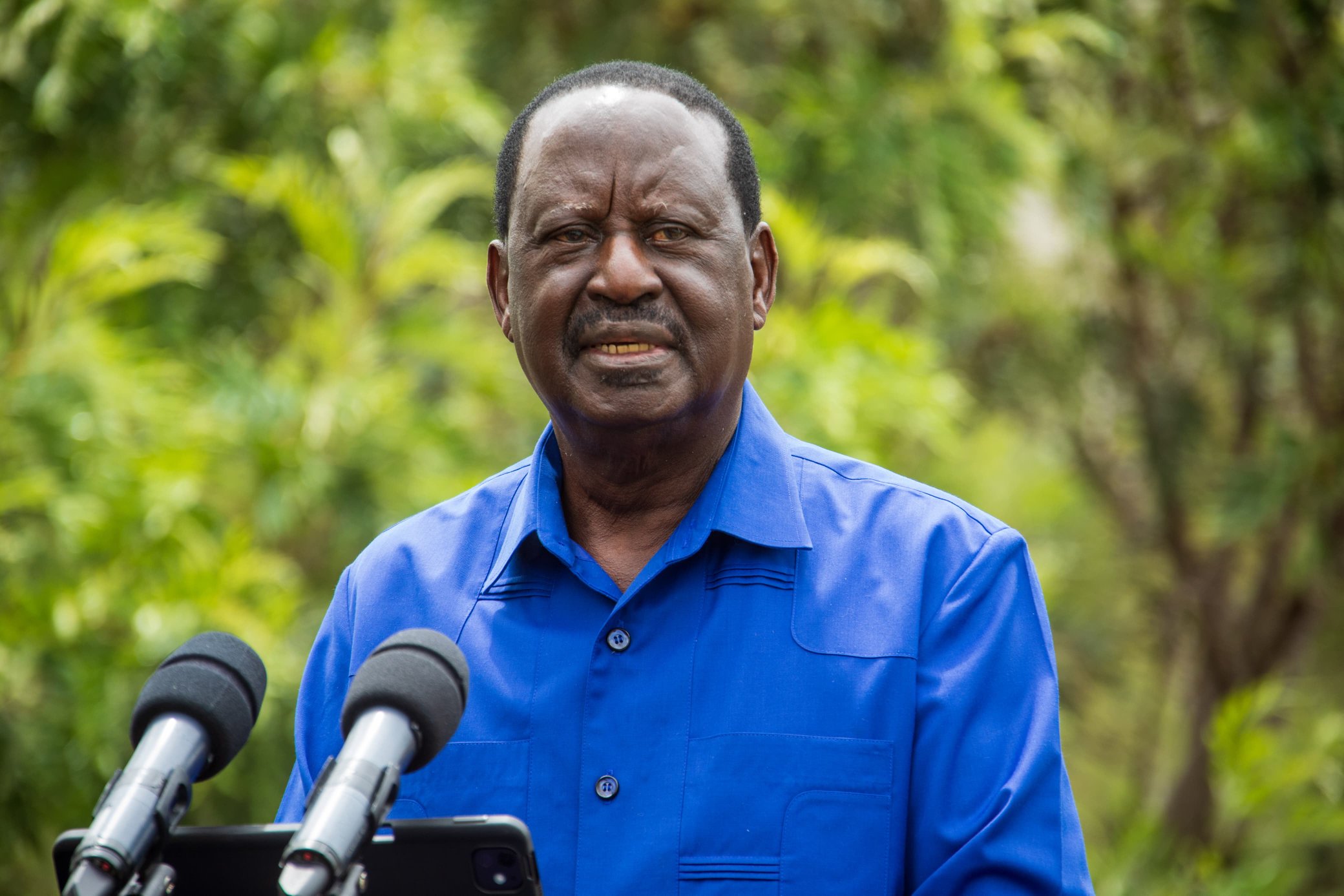
Former Prime Minister Raila Odinga has reflected on the enduring significance of the historic Saba Saba protests, stating that the ideals that inspired those brave men and women have become integral to Kenya’s national aspirations.
Speaking on the occasion of the Saba Saba anniversary on Monday, July 7, 2025, Raila acknowledged the sacrifices made by the original dreamers who dared to stand against oppression despite the great risks posed to their lives and families.
He noted that their courage laid the foundation for the progress Kenya enjoys today.
“It is clear that many of the ideals espoused by the dreamers behind Saba Saba have become part of the national aspiration. We are a better nation because Saba Saba happened,” Raila said.
You Might Also Like
However, he cautioned that the country now faces a new wave of unrest and political activism, marked by a different generation expressing their frustrations and hopes through protests. This rising tide of dissent poses a critical question for the nation: where do we go from here?
“Do we embrace chaos or a coming together of minds and country?” Raila asked.
Identifying himself as a living architect of the events that led to Saba Saba, Raila urged for unity and constructive dialogue, emphasising the need for collective action in pursuit of Kenya’s progress, stability, and prosperity.
“The most important struggle taking shape in our country today is the struggle for good governance, economic opportunity and equality,” he added.
Saba Saba roots
In the same address, the ODM leader expressed concern that many young Kenyans may not fully understand the historical roots and sacrifices that underpin the Saba Saba movement, even as they take to the streets to demand reforms.
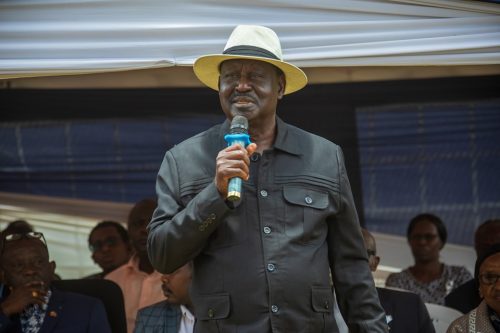
Raila delivered a sweeping historical account of Kenya’s long journey to multiparty democracy, highlighting the events that led to the original Saba Saba protests on July 7, 1990, and cautioning that some of today’s demonstrators might be disconnected from that past.
“Some of you may not know fully the history of Saba Saba. As you know, Kenya attained independence in 1963, and at that time it was a multiparty system. We had three political parties—KANU, KADU, and APP. But shortly after KANU won the elections and formed a government, the other two opposition parties folded up and joined KANU. That left KANU as the only political party,” he said, before walking his audience through the early political landscape that saw Kenya attain independence in 1963 under a multiparty system.
He noted that at the time, there were three political parties—KANU, KADU and APP—but shortly after KANU won elections and formed a government, the other two opposition parties folded and joined KANU.
From then, Raila explained, KANU remained the only political party. However, in 1966, a new party known as the Kenya People’s Union (KPU) was formed.
“This party survived for three years and was banned by the government in 1969. The leadership of that party was arrested and taken for political detention. From that point onwards, Kenya remained a de facto single-party dictatorship from 1969 to 1982,” he said.
He went on to describe how, from 1969 to 1982, Kenya remained a de facto single-party dictatorship under KANU.
“In 1982, when some of us attempted to form another political party, the regime responded by introducing a constitutional amendment—Section 2A—which officially made Kenya a one-party state,” he noted.
Author
Steve Ireri
View all posts by Steve IreriLatest News






Advertisement
More on News