Advertisement
Pharmacists want decision-making role at KEMSA
Wednesday 23rd July, 2025 04:20 AM|

The Pharmaceutical Society of Kenya (PSK) is rapidly pushing for its place at the helm of the Kenya Medical Supplies Authority (KEMSA).
The new PSK officeholders settled in, picking up from the previous team in agitating for more recognition of pharmacists in key decision-making positions.
The new officials are also pushing for the fast tracking of some practice bills, guidelines, policies, and the Pharmacy as a Service Benefit Package, to be submitted to the Social Health Insurance Fund (SHIF) panel by the Directorate of Health Products and Technologies (DHPT).
The society’s incoming president, Dr Wairimu Mbogo, called on the State to recognise the pharmaceutical sector in the country by having it play a core role in the health products and technologies supply chain, to ensure safety and proper utilisation.
You Might Also Like
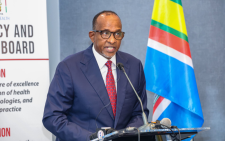

Speaking during the official inauguration of the new PSK leadership in Nairobi, Wairimu also called for the protection of the industry from infiltration by quacks, to ensure the safety of drugs and patients.
She noted that theirs is a protected profession by qualification.
“We shall protect our supply chains when it comes to medicines. We know that our largest national supply chain, Kemsa, has less than 2 per cent of its human capital, being pharmacists,” she noted, making comparisons with institutions such as the Mission for Essential Drugs and Supplies (MEDS), where the majority of the staff, she pointed out, were pharmacists.
She noted that similar level institutions have 70 per cent pharmacists leading them and adequate professional pharmacists as staff.
“Ironically, our Kenyan Pharmacists are the same consultants, helping set up national supply chains in other countries to help build and achieve this level of efficiency. We are ready to support our government to realise this level of efficiency up to the county level, but we must ensure that pharmacists are available and empowered to execute,” she stated.
Right personnel
The new PSK leadership is also keen on helping the country achieve the World Health Organisation (WHO) Maturity Level (ML3) Goal, which she said, will solely depend on how the country’s medicines will be managed from manufacturer to the point they enter the patient.
According to the WHO, ML3 in the context of National Regulatory Authorities (NRAs) for medical products, signifies a stable, well-functioning, and integrated regulatory system.
Recent reports have indicated wastage in the expiry of medicines, mushrooming of online chemists and as a result, rising falsification of drugs.
According to Dr Machogu, the outgoing PSK president, a pharmacist being a highly-trained, optimised individual in terms of pharmaceutical care, effective medicine use, and also in terms of manufacturing research supply chain consultancy, fits in solving tasks in the industry efficiently.
“What we are saying is that let us have the right people in the right places. For example, let us have more pharmacists in KEMSA. Let us ensure that pharmacists are leading the institutions, and what this does is that it minimises the waste; ensures that we are able now to procure quantities, and utilising the right quantities,” he said, stating that this can only happen when a pharmacist is making that decision.
Author
George Kebaso
View all posts by George KebasoLatest News






Advertisement
More on News