Advertisement
NTSA boss defends e-Logbooks, says old system was vulnerable to fraud
Tuesday 16th June, 2026 06:27 AM|

The Director General of the National Transport and Safety Authority (NTSA), Nashon Kondiwa, has defended the agency’s transition to electronic logbooks, saying the old paper-based system was highly susceptible to forgery and fraud.
Speaking during a televised interview on a local TV station on the night of Monday, June 15, 2026, Kondiwa said the move to e-logbooks is part of broader efforts to modernise NTSA operations and eliminate long-standing challenges that have affected vehicle ownership records and other transport-related services.
NTSA cites challenges with paper logbooks
According to Kondiwa, the agency has faced significant difficulties with the printing and issuance of physical logbooks, a problem that has affected several key NTSA processes over the years.
“There was a big problem with logbook printing, and this is affecting almost 10 processes,” he said.
You Might Also Like
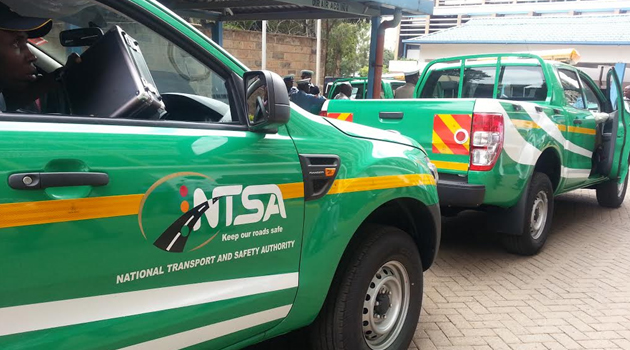
The NTSA chief noted that the authority has simplified the process by introducing electronic logbooks, reducing the need for motorists to rely on physical documents.
“We have made this thing simple by having this electronic, so there is no need for people to have those papers. We are currently giving e-logbooks,” he stated.

Concerns over forgery
Kondiwa argued that one of the biggest weaknesses of the previous system was the ease with which fraudsters could forge paper logbooks.
He revealed that distinguishing between genuine and fake documents had become increasingly difficult, even for experienced NTSA officers.
“Those paper logbooks could easily be forged. You could not tell the difference between a forged logbook and a genuine one. It was so similar that even myself, who has worked for NTSA for seven years, cannot tell the difference,” he said.
Digital records expected to enhance security
The NTSA Director General expressed confidence that electronic logbooks will provide a more secure and transparent way of managing vehicle ownership records.
According to him, digital verification makes it easier to verify the authenticity of ownership documents and reduces opportunities for fraud.
“At least with the e-logbook, you can tell,” he said.
The authority believes the new system will strengthen public confidence in vehicle registration processes while improving efficiency in ownership transfers and other related transactions.

Part of wider digitisation reforms
The introduction of e-logbooks forms part of the government’s broader digital transformation agenda aimed at reducing paperwork, improving service delivery and enhancing accountability across public institutions.
NTSA has in recent years expanded online services through digital platforms, allowing motorists to access various services electronically, including vehicle registration, licensing, and ownership transfers.
Officials say the shift is intended to reduce delays, curb fraud, and eliminate opportunities for document tampering that were common under manual systems.
As the transition continues, NTSA has encouraged vehicle owners to familiarise themselves with electronic ownership records and utilise official digital channels when conducting transactions.
The authority maintains that the move to e-logbooks will not only improve convenience for motorists but also help protect vehicle owners from fraud and disputes arising from forged documents.
Author
Mustafa Juma
View all posts by Mustafa JumaLatest News








Advertisement
More on News