Advertisement
Ndindi Nyoro wants school calendar changed after wave of unrest
Saturday 06th June, 2026 06:44 AM|

Kiharu Member of Parliament (MP) Ndindi Nyoro has called for a review of Kenya’s school calendar, proposing additional breaks and adjustments to the second term in a bid to reduce pressure on students and curb the rising cases of unrest and fires in schools across the country.
Speaking during the Kiharu Masomo Bora Career Fair on Friday, June 5, 2026, Nyoro said the current academic schedule, particularly the second term, places excessive pressure on learners, especially those in boarding schools.
“Kama nchi tukiangalia vizuri tuone yakwamba the pressure is too much na wanafunzi, especially wale wako boarding school, can be given even a weekend off, we must do it as a country to avert whatever is happening in our institutions,” Nyoro said.
Additional short midterms
The lawmaker suggested that Kenya consider restructuring the second term by introducing additional short midterms, weekend breaks, and separate visiting days to ease students’ mental and emotional strain.
You Might Also Like


“Tukiangalia kama tuone that hii second term probably is too long, na inakuwanga na mambo mengi inafanyika, tukiangalia kama nchi tuone that we can change our calendar ya mashule, second term iwekwe both visiting days ikiwa kando na midterm, maybe it could help to ease the pressure,” he stated.

Nyoro proposed a system in which students could attend classes for four or five weeks before being given short voluntary breaks from Thursday to Monday.
According to him, the move could help reduce stress levels among learners and potentially address the growing unrest being witnessed in learning institutions.
“Even if it means we go for four or five weeks, we can give students a voluntary break from Thursday to Monday, and we do maybe two short midterms; probably it could ease pressure na tuache kuona hii mambo inafanyika kwa mashule,” he added.
Student unrest cases
The remarks come at a time when the country has witnessed an increase in cases of student unrest, dormitory fires, and strikes in secondary schools, particularly during the second term, which is often regarded as the longest and most demanding part of the academic calendar.
A few days ago, the Kenya Red Cross confirmed that a fire broke out at Tarakwo High School in Bomet County on the night of Monday, June 1, 2026, marking the fifth school fire incident reported in the country since the tragic blaze at Utumishi Girls’ Academy that claimed the lives of 16 students last week, on Friday, May 28, 2026.
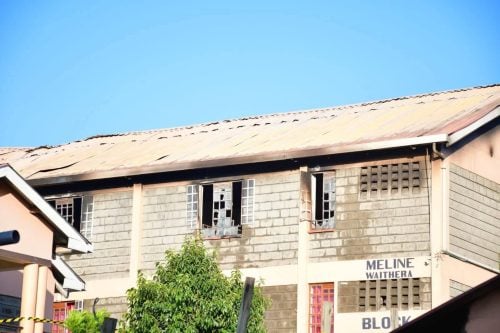
According to the Kenya Red Cross, a total of 37 school fire incidents have been recorded and responded to since the beginning of the year across various counties, raising questions about safety standards and preparedness in learning institutions.
Among other schools affected after the Utumishi Girls’ Academy are Gacharage Secondary School in Murang’a County and St Joseph Seminary Boys’ School in Nakuru County.
Education stakeholders have previously linked school unrest to a combination of factors, including academic pressure, mental health challenges, strict school environments, substance abuse, and social pressures among students.
Nyoro argued that the country should openly evaluate whether the current school structure adequately considers the well-being of learners.
He maintained that his proposal was not politically motivated or aimed at pleasing students but was intended to spark a national conversation on reforms that could improve student welfare and stability in schools.
“I am not saying this to please, especially that tuko na wanafunzi hapa. Let us see if there is something we can do around reworking the calendar of the second term kwasababu ndio inakuwanga na shida sana,” he said.
The Kiharu MP’s proposal is likely to ignite debate within the education sector, with policymakers, teachers, parents, and education experts expected to weigh in on whether calendar reforms could help address the recurring crisis of school unrest in Kenya.
Author
Mustafa Juma
View all posts by Mustafa JumaLatest News








Advertisement
More on News