Advertisement
MPs back use of technology to monitor police conduct during protests
Monday 04th May, 2026 07:55 PM|

Members of the National Assembly (MPs) have endorsed the adoption of modern technology to monitor police conduct during protests, as concerns mount over accountability and preparedness ahead of the 2027 General Election.
Legislators urged IPOA to strengthen its oversight mechanisms while embracing emerging tools such as drones, body cameras, and digital surveillance systems.
Committee Chairperson Gabriel Tongoyo set the tone by pressing IPOA on its stance regarding technological integration in policing.
You Might Also Like
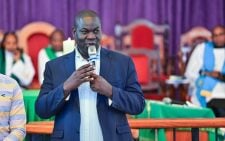
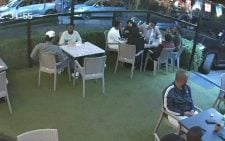
“From where you sit as IPOA, what is your position on the intended use of body cameras and drones by the police?” he asked.
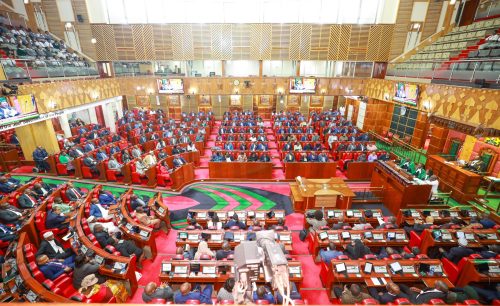
While lawmakers broadly supported the proposal, they raised concerns about the effectiveness and limitations of such technologies. Teso North MP Oku Kaunya cautioned that drones may not always be practical in spontaneous incidents.
“In cases of organised criminal activity, drones can be deployed effectively to identify what is happening. But in isolated incidents, such as goon attacks, by the time you deploy a drone, the damage has already been done,” he said.
The discussion also highlighted the need for forward-looking strategies as the country approaches a politically sensitive period. Liza Chelule, Naorok County, emphasised the importance of risk assessment and planning.
“What is not coming out clearly is what you predict will happen before and after the 2027 elections. This is the only way we can prepare and mitigate. I support the use of technology, but we must know where the risks lie and who is most affected,” she noted.
Call for accountability
Concerns over police accountability extended to compensation for victims of reported brutality. Homabay Town MP Peter Kaluma warned of potential fraud in compensation processes.
“For Kenyans, once they hear there is money somewhere, we risk having people who were not injured benefiting instead of the real victims. How actively is IPOA involved in verifying those who should be compensated?” he posed.
Kaluma also raised the issue of balancing oversight with operational efficiency.
“We must balance human rights with necessary police intervention to save the state. If officers feel constantly watched, we risk creating police lethargy in situations where action is required,” he observed.
Responding to the concerns, IPOA Chief Executive Officer Elema Halakhe attributed fluctuations in policing to political activity cycles.
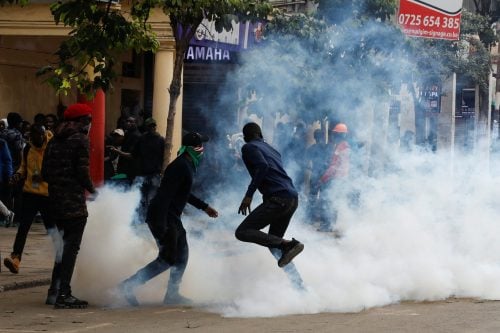
PHOTO/@channelafrica1/X
“The reduction in incidents is largely due to reduced political activity. As we approach the campaign season, we anticipate an increase in such encounters,” he said.
“We have already submitted a verified list of deaths and injuries for consideration. The process is ongoing, subject to consent from victims’ families.”
He also acknowledged delays in police response.
“We are increasingly seeing instances where police fail to act in time, whether this is due to fear of accountability or failure of command responsibility, is something we are investigating.”
IPOA grilled
Vice-Chairperson Dido Rasso questioned how legitimate use of force is defined in a tense political climate, warning that Kenya’s electoral history points to heightened unrest in 2027.
Moreover, IPOA Commissioner Annette Mudola Mbogo defended the selective deployment of drones.
“In cases where events are planned, drones can provide effective monitoring. However, we must develop a clear framework that addresses data protection and surveillance concerns,” she said, adding that body cameras and CCTV systems could improve evidence integrity.
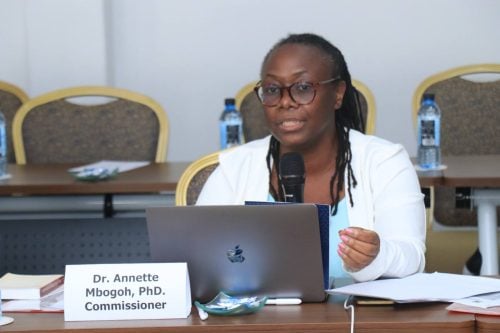
Meanwhile, Commissioner Kenwilliam Nyakomitah dismissed claims that oversight undermines policing.
“If an officer uses force lawfully, there should be no fear. Many cases we review do not even proceed because the use of force is justified,” he stated, urging the public to formally report misconduct.
IPOA’s Director of Inspections, Monitoring and Preventive Services, Munene Mugambi revealed that cost remains a major barrier.
“This technology does not come cheap. One drone costs about Ksh3 million. Deployment will be intelligence-led, based on anticipated risks,” he said, noting that drones could also highlight exemplary police conduct.
The meeting comes amid growing scrutiny of law enforcement agencies, with stakeholders calling for reforms that strike a balance between maintaining public order and safeguarding human rights as Kenya heads toward another election cycle.
Author
Latest News






Advertisement
More on News