Advertisement
Mombasa Ocean Conference: Inside push to tackle global illegal fishing
Thursday 18th June, 2026 08:01 AM|
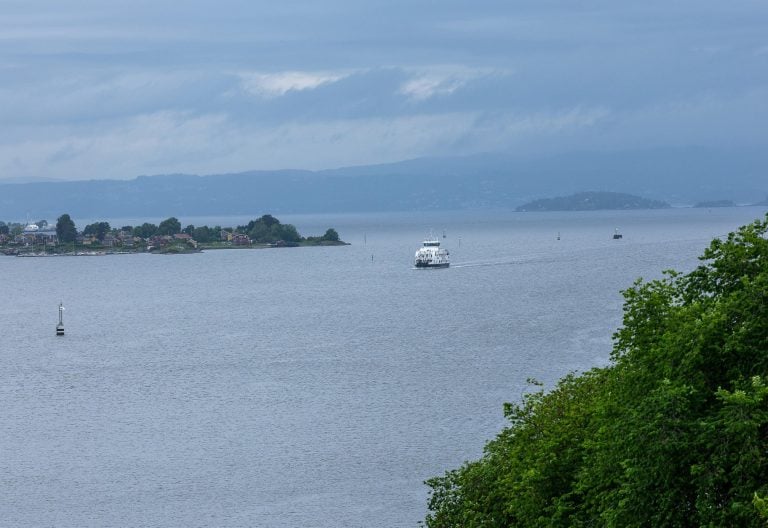
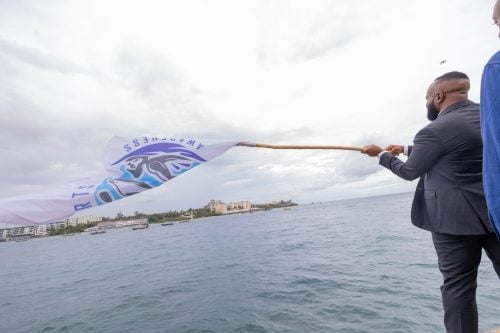
A coalition of 15 countries has launched a major international effort to combat illegal fishing, unveiling the landmark Mombasa Declaration at the Our Ocean Conference in Kenya’s coastal city of Mombasa.
The agreement signals growing global determination to tackle illegal, unreported and unregulated (IUU) fishing through enhanced transparency, stronger monitoring systems, and greater international data sharing.
The declaration, announced on Wednesday, commits participating nations to improving how information about fishing vessel ownership, movements, and activities is collected, verified, and shared.
Supporters say the initiative could mark a turning point in the global fight against a practice that costs billions of dollars annually, threatens marine biodiversity, and undermines the livelihoods of millions of coastal residents.
You Might Also Like


The agreement arrives at a critical moment for many fishing-dependent communities across Africa, Asia, and Latin America, where concerns over dwindling fish stocks and increasing industrial fishing activity have intensified.
Along Kenya’s coastline, small-scale fishers say the consequences of illegal fishing are already being felt.
For communities such as Kipini, located north of Mombasa, the issue extends beyond environmental concerns to economic survival.
Marine habitat crises
“This is making people here poor and dramatically changing the sea ocean bed, which has depleted a lot of species in our area,” Awadh Mbarak, 53, secretary of a local beach management unit in the coastal town, said.
Local fishermen have long accused foreign-operated trawlers of encroaching into shallow waters designated for artisanal fishing.
They argue that industrial-scale operations damage marine habitats, reduce fish populations, and leave traditional fishing communities struggling to earn a living.
The declaration was signed by Belgium, Cameroon, Chile, the Dominican Republic, France, Gambia, Ghana, Guinea, Liberia, Panama, Papua New Guinea, Peru, the Republic of the Congo, Somalia, and South Korea. The signatories pledged to strengthen fisheries governance by adopting greater transparency standards and improving cooperation among national authorities.
Experts say a lack of reliable fisheries data remains one of the biggest obstacles to combating IUU fishing. Without public access to vessel records, fishing licenses, and ownership information, enforcement agencies often struggle to identify offenders or hold operators accountable.
The Mombasa Declaration seeks to address these gaps by building support for the Global Charter for Fisheries Transparency, a framework consisting of 10 policy principles designed to improve fisheries governance through practical and relatively low-cost reforms.
Measures include modernising vessel registries, publishing fishing authorisations, and increasing reporting requirements.

French Minister Delegate for the Sea and Fisheries Catherine Chabaud emphasised that global cooperation would be essential to achieving meaningful progress.
“We will not be able to effectively combat illegal fishing without greater transparency and international cooperation,” she said.
“Limited transparency in vessel ownership, tracking, and fishing activity and supply chains allows these illegal practices to thrive, making stronger access to reliable fisheries data and accountability mechanisms essential to protecting marine ecosystems and the communities that depend on them.”
Conservation organisations attending the conference welcomed the declaration, describing it as a significant step toward creating greater accountability across the global fishing industry.
According to campaigners, illegal fishing thrives in areas where oversight is weak, and vessel activity remains hidden from regulators and the public. Improved access to information could fundamentally alter that dynamic.
“For too long, illegal fishing has thrived in the dark,” Tony Long, Chief Executive Officer of Global Fishing Watch, stated.
“When governments commit to transparency, they create an interconnected network where bad actors have nowhere left to hide.”
Long noted that many fishing vessels operate under complex ownership structures, often registering under foreign flags that obscure their true operators.
Such practices make it difficult for regulators to trace accountability when violations occur.
To support enforcement efforts, Global Fishing Watch is launching what it describes as a first-of-its-kind global mapping platform capable of tracking virtually every category of fishing vessel, including so-called dark fleets that attempt to avoid detection by disabling tracking systems or exploiting monitoring loopholes.
Sustainable fishing
“Too much of today’s fishing remains invisible to those tasked with managing our ocean,” Long said.
“The map will transform scattered, fragmented data into actionable insights for policymakers.”
Transparency advocates argue that improved data sharing can also help address broader human rights concerns linked to the fishing sector. International investigations have repeatedly connected illegal fishing operations with forced labour, poor working conditions, and labour exploitation aboard vessels operating far from public scrutiny.
Maisey Pigeon of the Coalition for Fisheries Transparency said inadequate access to information continues to hinder efforts to protect both fish stocks and workers.
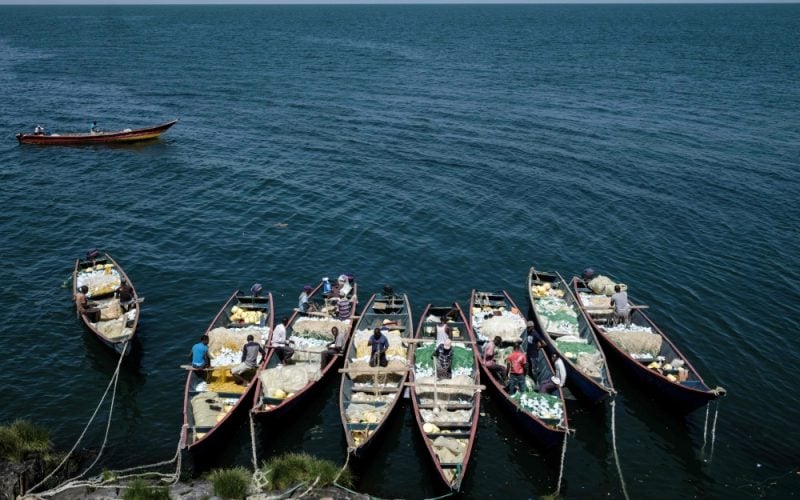
“Small-scale fishers are unable to feed their families. They’re losing their livelihoods,” she said.
“A lack of transparency enables things like illegal, unreported and unregulated fishing, and also human rights and labour abuses on fishing vessels.”
The momentum behind transparency reforms has accelerated since the adoption of the United Nations Sustainable Fisheries Resolution in 2024, which placed accountability and open fisheries data at the centre of international discussions on ocean governance.
As nations gather in Mombasa to discuss the future of the world’s oceans, supporters of the declaration believe transparency could become one of the most powerful tools available in protecting marine resources.
Whether the commitments translate into stronger enforcement and healthier fisheries will depend on how quickly governments turn promises into action.
For coastal communities already experiencing the effects of depleted fish stocks, the stakes could not be higher.
Author
Latest News







Advertisement
More on News