Advertisement
Mombasa boda boda operators warn politicians against using riders as political goons
Thursday 02nd July, 2026 06:43 PM|
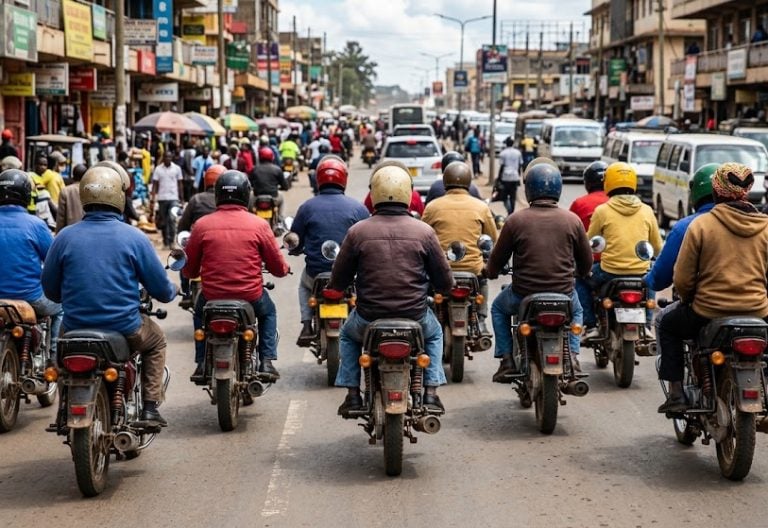
Boda boda operators in Mombasa have warned politicians against using riders as hired gangs to instigate violence, saying the practice is damaging the sector’s reputation and undermining its economic growth.
Speaking during a sensitisation forum in Changamwe organised by Stretchers Youth Organisation on Thursday, July 2, 2026, Mombasa County Boda Boda Association Chairman Samuel Oguto said the association does not support political violence and urged authorities to take action against individuals exploiting riders for unlawful activities.
Oguto said boda boda operators should not be dragged into political conflicts, stressing that the sector’s priority is economic empowerment rather than political mobilisation.
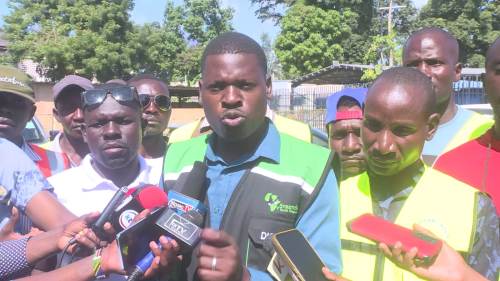
“What we want is the empowerment of boda boda operators through SACCOs, not the misuse of our members for political purposes that put them into conflict,” he said.
You Might Also Like



The association also raised concerns over what it described as increasing harassment by officers from the traffic police unit, accusing some officers of demanding hefty bribes from riders arrested for traffic offences.
Meanwhile, Stretchers Youth Organisation Executive Director Dixson Okongo said empowering boda boda riders economically is critical to promoting peace and security ahead of the 2027 General Election.
Okongo said strengthening boda boda SACCOs and creating more economic opportunities for young people would reduce their vulnerability to political manipulation and violence during the election period.
Rise of political goonism
Inspector General of Police Douglas Kanja has also raised concerns over early political campaigns and the emergence of organised criminal gangs, warning that the trends could threaten peace and stability ahead of the 2027 general election.
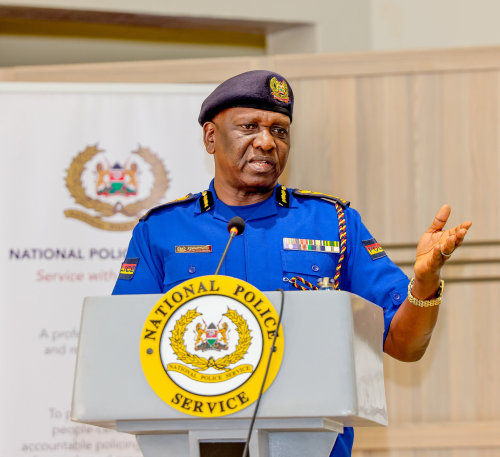
Speaking during a multi-sectoral meeting that brought together key stakeholders in electoral processes on Friday, May 15, 2026, Kanja said security agencies are already monitoring increased political activity across the country.
“Early political arrangements, increasing political intolerance, weaponisation of misinformation, and increased mobilisation of youth through both physical and digital platforms. The emergence of organised criminal gangs, inflammatory political rhetoric, online incitements, and localised communal tensions continue to pose evolving threats to election security management,” Kanja stated.
Author
Boniface Msangi
View all posts by Boniface MsangiLatest News





Advertisement
More on Inside Politics