Advertisement
MoH audit uncovers payroll gaps, irregular documentation in UHC staffing
Friday 05th September, 2025 09:14 AM|

The Ministry of Health (MoH) has urged counties to act with urgency in addressing payroll gaps, workforce documentation challenges, and persistent supply chain weaknesses as part of efforts to strengthen Universal Health Coverage (UHC) reforms.
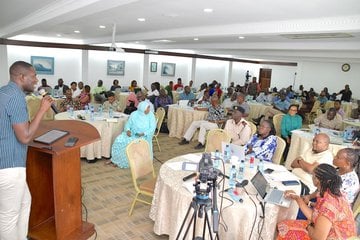
During a quarterly review meeting with County Executive Committee (CEC) members for health in Mombasa, the Ministry noted that while close to 10,000 health workers had been hired under the UHC agenda, only 7,629 remain on the payroll.
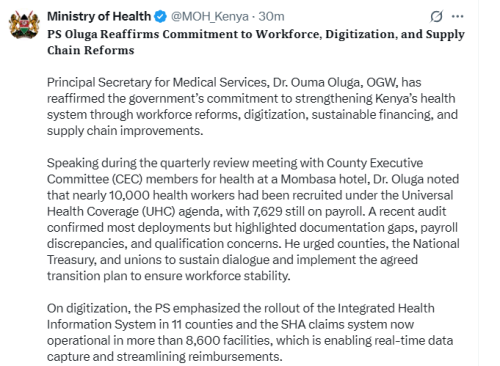
“Nearly 10,000 health workers had been recruited under the Universal Health Coverage (UHC) agenda, with 7,629 still on payroll. A recent audit confirmed most deployments but highlighted documentation gaps, payroll discrepancies, and qualification concerns,” part of a statement by MoH on Friday, September 5, 2025, said.
An audit confirmed most deployments were valid but flagged irregularities, including missing documentation, discrepancies in payroll, and questions around staff qualifications.
You Might Also Like
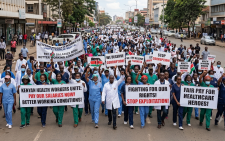
The Ministry has tasked counties, alongside the National Treasury and health worker unions, to sustain dialogue and implement the agreed transition plan aimed at securing workforce stability. Officials warned that unresolved payroll loopholes risk undermining service delivery and reversing progress made under UHC.
Digital systems and health financing
The review also highlighted strides in digitisation, with the Integrated Health Information System now active in counties, and the Social Health Authority (SHA) claims system is working well.
“On digitisation, the PS emphasised the rollout of the Integrated Health Information System in 11 counties and the SHA claims system is now operational in more than 8,600 facilities, which is enabling real-time data capture and streamlining reimbursements,” the statement reads
According to the Ministry, SHA membership has surged to 223 per cent, that have seen a higher collection of contributions. The package of benefits has expanded to include more oncology and intensive care coverage.
“There is a 223 per cent growth in SHA membership, from 8 million to 25.8 million Kenyans. Over Ksh 64.9 billion has been collected and Ksh 60.7 billion disbursed to providers. Expanded benefits include increased oncology and ICU coverage, though challenges such as low registration in some counties and delayed employer remittances remain and require collective action.” The statement reads
However, gaps remain. Some counties continue to register low numbers, while delayed remittances from employers are slowing down reimbursements. The Ministry underscored the need for collective responsibility to seal these gaps and ensure the reforms translate into tangible relief for households.
Medical supply chain overhaul
The Ministry also stressed the importance of fixing supply chain inefficiencies, pointing to ongoing reforms at the Kenya Medical Supplies Authority (KEMSA).
“On medical supplies, there is progress at KEMSA, including an increase in local manufacturing to 65 per cent of essential medicines and the establishment of new distribution centres in Mombasa and Kisumu.
Counties were urged to prioritise adequate budgetary allocations and resource mobilisation to support these supply chain changes. Officials said a reliable and transparent distribution network remains central to guaranteeing consistent access to medicines and medical products.
The Ministry emphasised that through cooperation between counties, the Treasury, and health stakeholders, Kenya can sustain momentum on UHC reforms while ensuring accountability and efficiency in resource use..
Author
Latest News







Advertisement
More on News