Advertisement
Mbadi, Wandayi, Chirchir to meet matatu owners over fuel price spike
Monday 18th May, 2026 05:51 PM|
The government has moved to convene urgent talks with matatu operators following nationwide protests over rising fuel prices, as transport disruptions spread across the country and the Law Society of Kenya (LSK) threatened legal action over the handling of the crisis.
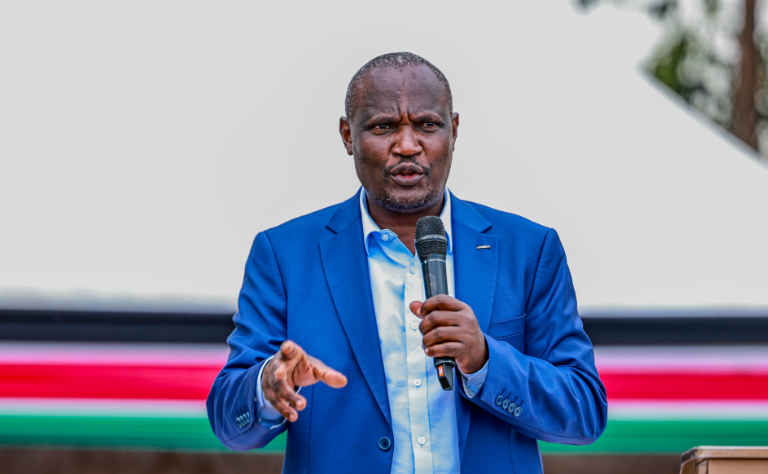
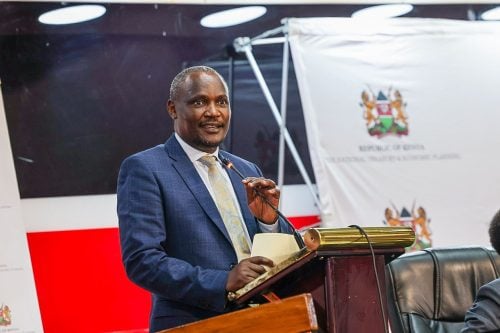
National Treasury Cabinet Secretary John Mbadi, in an interview on a local TV station on Monday, May 18, 2026, confirmed that a multi-agency meeting is being arranged involving the National Treasury, the Ministry of Energy and the Ministry of Transport, alongside matatu stakeholders.
“We have a meeting between the National Treasury, the Ministry of Transport, the Ministry of Energy, hopefully, together with the matatu operators, just to discuss with them, and explore any possibility of further action that can be taken,” Mbadi said.
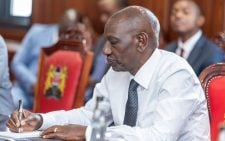
He was joined in the planned engagement framework by Energy CS Opiyo Wandayi and Transport officials, including Principal Secretary Mohammed Daghar Chirchir, as the government attempts to contain growing pressure from transport operators.
You Might Also Like


The talks come after matatu operators staged protests and partially paralysed transport services in several parts of the country, citing unbearable fuel costs. The disruptions left commuters stranded and sparked scattered demonstrations and road blockades.
On the legal front, the LSK warned it could move to court, questioning the government’s handling of the fuel pricing crisis and its impact on economic rights.
“The cumulative effect of these measures has imposed a disproportionate and economically unsustainable burden on Kenyan households, businesses, manufacturers, transport operators, and other productive sectors,” the LSK statement read in part.
“Should immediate corrective administrative action fail to materialise, the Society shall move to court.”

However, Mbadi has defended the government, insisting the crisis is global in nature and not a domestic policy failure.
“It is not that this government is insensitive. It is that we have a crisis, which is a worldwide crisis,” he said.
He added that fuel is still available in the country, but is arriving at higher prices due to global market conditions.
“We are not lacking fuel. Fuel is in this country. It’s only that they are arriving here or landing here at higher prices than they used to land here a few weeks or months ago,” he said.
Mbadi also warned against aggressive policy reversals, arguing that fiscal space is limited.

“If, for example, we lower VAT to zero, what are the consequences? You are going to lose more revenue, are we going to be able to implement our budget?” he posed.
He further cautioned against what he termed “populist decisions,” saying past policy choices had strained public finances.
“We have made populist decisions before, and we have faced the consequences in 2024, we almost defaulted in paying our debts,” he said.
While acknowledging public frustration, Mbadi criticised the protests and road blockades.
Matatu sector demands
“Why should you burn tyres on the roads? Why should you put stones on the road?” he said, adding that the crisis was being politicised.
He maintained that the situation is tied to global instability, warning that prolonged conflict could worsen economic conditions worldwide.
“This is a world crisis. It is a problem that only America and Iran have to solve. They must stop the war,” he said.
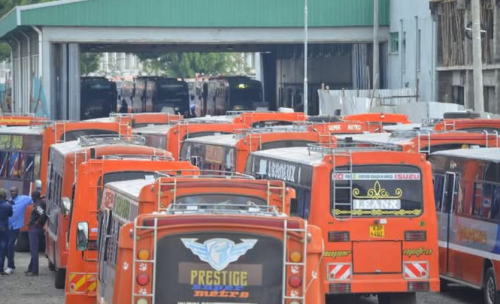
As the government gears toward the crisis meeting, the Matatu Owners Association of Kenya (MOA) is demanding the removal of all taxes imposed on fuel, including the eight per cent Value Added Tax (VAT), which was recently reduced from 16 per cent by President William Ruto.
Further, the association also wants the government to do away with the Ksh25 Road Maintenance Levy on petrol and diesel, arguing that the charges are responsible for the high fuel prices.
MOA has dismissed the notion that diesel-powered public transport vehicles were participating in the strike, stating that petrol-powered vehicles were equally affected, and urged the press to report accurately.
We must also report correctly, the fuel price hikes have affected everybody, because diesel drives the economy. Where there is no diesel, every aspect of the economy gets affected drastically,” the association said.
Author
Latest News







Advertisement
More on News