Advertisement
Mbadi: Majority of proceeds from KPC, Safaricom divestment to go to National Infrastructure Fund
Thursday 22nd January, 2026 10:26 AM|

Treasury Cabinet Secretary John Mbadi has clarified that the majority of funds from the ongoing divestment in the Kenya Pipeline Company (KPC) and the partial sale of government shares in Safaricom will not be used to finance salaries or debt repayment.
He said 90% of the proceeds will be directed to the National Infrastructure Fund (NIF) to support long-term development projects.
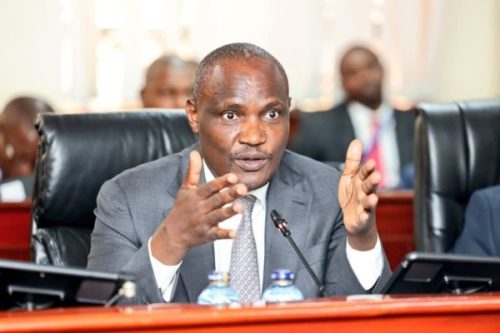
Proceeds reserved for infrastructure
Speaking in an interview on January 22, 2026, Mbadi emphasised that divestment funds are being ring-fenced for strategic purposes.
“We are not going to directly use money gotten from the privatisation of Kenya Pipeline Company and Safaricom share sale to pay salaries and debt. It is not going to fund any budget. 90 percent of that money will be put into the National Infrastructure Fund. Then the NIF will be used to leverage and crowd the public sector funding into commercially viable public infrastructure projects,” he said.
You Might Also Like


He added that the government has already identified priority sectors for investment, adding that the state departments are generating the list of the viable projects.
“We have a list already which has been generated and state department are generating the list of commercially viable projects that we can fund through NIF,” Mbadi explained.
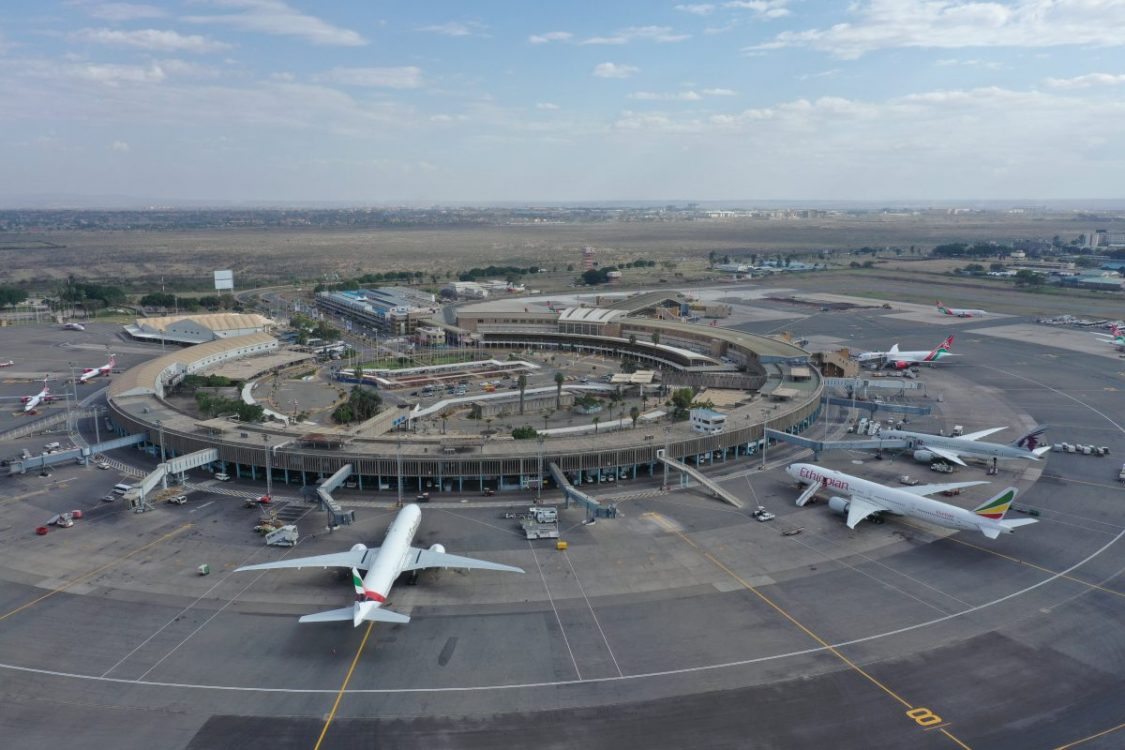
The fund will support sectors such as energy, roads, water, airports, and digital infrastructure, aiming to crowd in private sector participation while ensuring projects are commercially sustainable.
Long-term planning and future generations
Mbadi noted that about 10% of the divestment proceeds will be allocated to sovereign wealth mechanisms to benefit future generations.
“A portion of it say 10 percent will go to sovereign wealth funds for future generations again this fund can only be applied in 3 areas one, Infrastructure development, two, intergenerational wealth or equity and lastly, stabilisation of the economy,” he said.
He highlighted the need for financial resilience, citing the COVID-19 pandemic as an example of unforeseen crises that require readily available resources. “In the event, like during the COVID-19 pandemic, where there is no international community to come through for us, we should have some resources to be able to take care of such shocks,” he added.
Author
Latest News




Advertisement
More on News