Advertisement
Mbadi explains why govt dropped plan to scrap PAYE for low-income earners
Monday 11th May, 2026 04:47 PM|

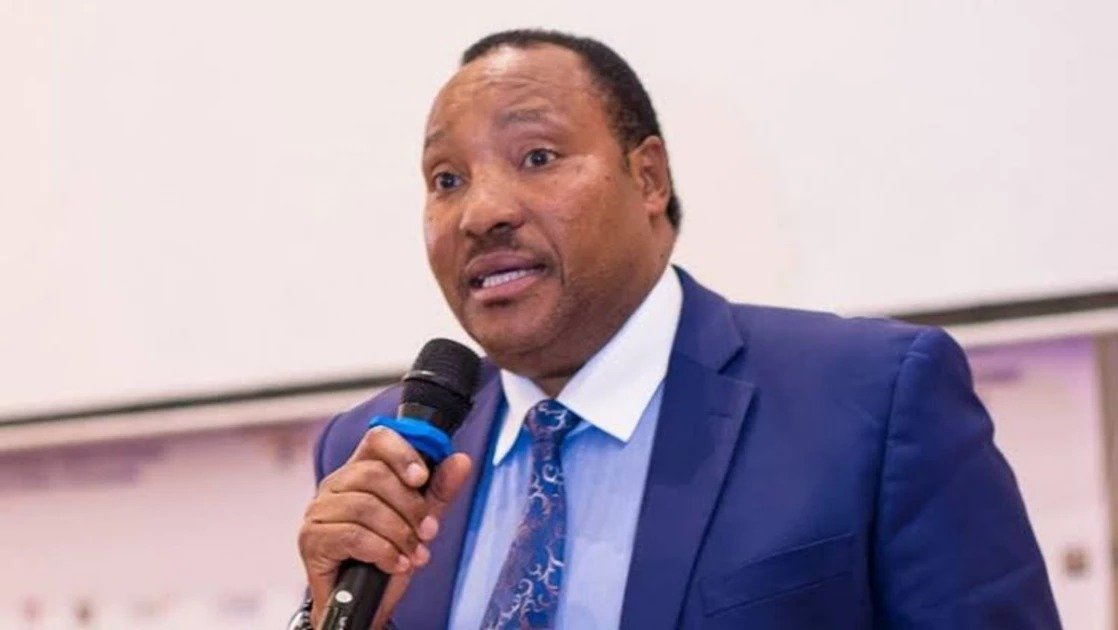
Treasury Cabinet Secretary John Mbadi has clarified why the government abandoned its earlier proposal to scrap Pay As You Earn (PAYE) tax for individuals earning below Ksh30,000.
In a press briefing on Monday, May 11, 2026, Mbadi said the move was driven by revenue shortfalls that would have followed the move.
“If the reforms bear fruit, we will collect much more from personal income tax, which will compensate for this. The other area is the rental income tax. Those are the things we are working on, but that will not stop us from implementing or actualising the proposal that we announced publicly,” he explained.
The CS stated that implementing the tax relief would have significantly reduced government revenue, warning that the state could have lost nearly Ksh30 billion, adding that while the proposal remains on the table, its implementation will depend on the success of ongoing revenue reforms and alternative income sources.
You Might Also Like
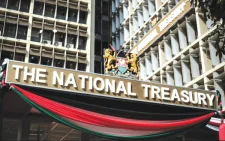
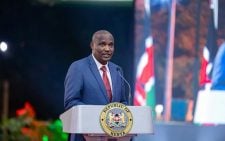

Moreover, he pointed to planned reforms in personal income tax and rental income tax as key areas the Treasury is focusing on to boost collections.
According to him, increased revenue from these sectors could eventually make it possible to ease the tax burden on low-income earners, and the government continues to tax low-income earners more heavily because of widespread tax evasion among high-income individuals. He argued that this imbalance has forced ordinary taxpayers to shoulder a disproportionate burden.
He noted that the Kenya Revenue Authority (KRA) is seeking access to financial data to help identify wealthy individuals who underreport or avoid taxes altogether, saying the move is aimed at improving compliance.
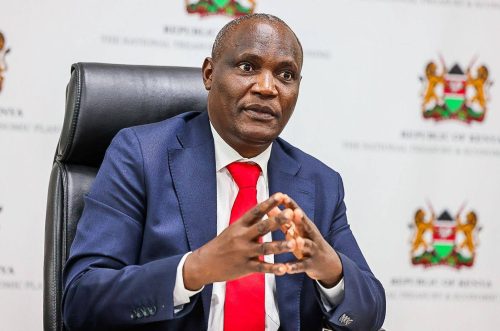
“We would have even reduced PAYE so that people pay less, but because we have people who earn money but do not want to pay taxes, taxpayers bear a lot of the burden,” Mbadi said during a briefing on the 2026 Finance Bill.
He urged public support for KRA’s push to access financial records, insisting that such data is essential for determining taxable income and improving fairness in the system.
Mbadi maintained that financial data is already part of public records and should be accessible to tax authorities for enforcement purposes.
The PAYE announcement
In February 2026, Mbadi announced plans for tax relief for people earning below Ksh30,000 per month. Speaking during a forum on Sunday, February 1, 2026, in Kiambu, Mbadi said the government would also reduce taxes for those earning below Ksh50,000, aiming to ease the burden on salaried Kenyans.
The forum at Kiambu National Polytechnic was part of the Budget and Privatisation Public Engagement Forum for Kiambu County. Mbadi focused on government plans to privatise state-owned companies and use the proceeds to fund infrastructure and provide tax cuts.
He said the strain on Kenya’s middle class and salaried workers, noting that about 3.5 million Kenyans rely on salaries and bear most of the tax burden.

“Those salaried Kenyans, we have 3.5 million Kenyans earning a salary. They are carrying the burden on almost everybody. It is not fair. We have decided that I am taking the proposal amendment to Bunge. I am not even waiting for the finance bill. Anybody earning below 30,000 in this country should pay zero tax. Zero,” he stated.
For those earning below Ksh50,000, the government will lower tax rates. Mbadi said the measures aim to put more money in people’s pockets and stimulate demand. He cited signs of economic slowdown, including reduced consumer spending.
“And anyone earning below 50,000 in this country, we are going to reduce tax. And this the government has decided. We have sat down with the President, and we have agreed. We want to give you something in your pocket so that you can spur demand in the economy,” he added.
“Because we have looked at the economy, and we can see the economy choking. Because people don’t have money in their pockets to buy from you people. Hakuna mtu ananunua mboga. Badala ya kununua mboga ya sasa hivi mtu anakuja kununua mboga four leaves.”
Author
Latest News




Advertisement
More on News
