Advertisement
Kenya seeks return of 32,000 cultural heritage collections from across the world
Wednesday 22nd July, 2026 03:40 PM|
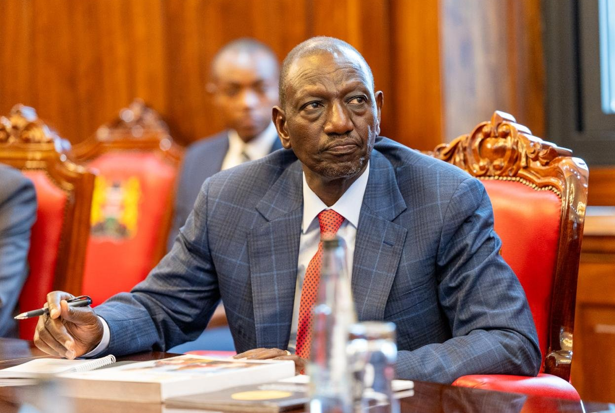
Kenya has launched an ambitious effort to repatriate more than 32,000 cultural heritage collections currently housed in museums and institutions across the world as part of the proposed Kenya Home of Human Origins Museum and Science Park.
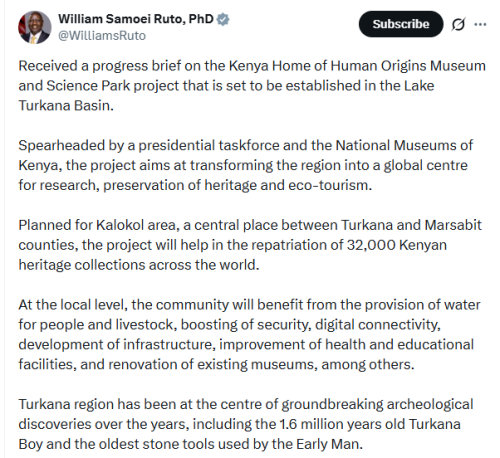
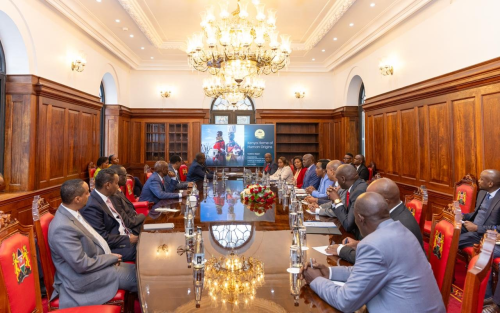
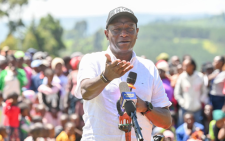
Writing on X on Wednesday, July 22, 2026, President William Ruto, while receiving a progress brief on the Kenya Home of Human Origins Museum and Science Park project, said the planned museum and science park, which will be established in the Kalokol area between Turkana and Marsabit counties, is being spearheaded by a presidential task force in partnership with the National Museums of Kenya. He said that the initiative aims to transform the Lake Turkana Basin into a global hub for research, heritage conservation and eco-tourism.
“Planned for the Kalokol area, a central place between Turkana and Marsabit counties, the project will help in the repatriation of 32,000 Kenyan heritage collections across the world,” Ruto stated.
New home for Kenya’s heritage
Once completed, the Kenya Home of Human Origins Museum and Science Park will provide a permanent home for the returned collections while supporting scientific research, exhibitions and educational programmes centred on Kenya’s rich history.
You Might Also Like
The project is also expected to attract international researchers, tourists and heritage experts, boosting Kenya’s profile as a leading destination for the study of human evolution and heritage conservation.
Beyond preserving history, the development is expected to deliver wide-ranging socio-economic benefits to communities in Turkana and neighbouring areas.
According to the progress brief, the project will provide water for people and livestock, enhance security, expand digital connectivity, improve transport infrastructure, upgrade health and education facilities, and renovate existing museums across the region.
The government says these investments will create employment opportunities, stimulate tourism and contribute to the economic development of the region.
Building on Lake Turkana’s global legacy
The Lake Turkana Basin is internationally recognised as one of the world’s most significant archaeological regions. Over the decades, it has produced groundbreaking discoveries that have shaped the understanding of human evolution.
Among its most notable finds are the 1.6-million-year-old Turkana Boy fossil and some of the oldest known stone tools used by early humans.
The president has noted that by seeking the return of thousands of cultural heritage collections and investing in a world-class museum and science park, Kenya aims to preserve its historical treasures, expand scientific research and reaffirm its place as the cradle of humankind.
Author
Latest News

Advertisement
More on News